

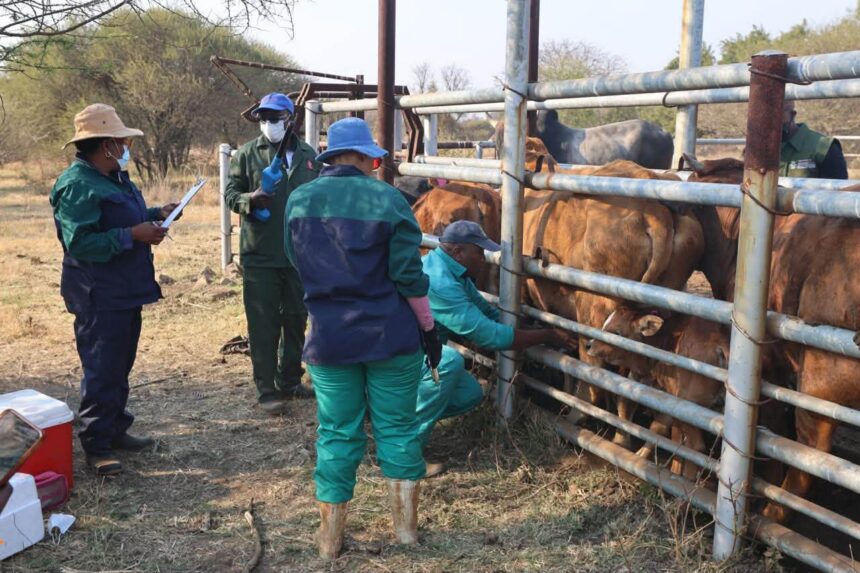
The North West Department of Agriculture and Rural Development is preparing to launch a booster vaccination campaign against Foot-and-Mouth Disease (FMD) in September 2026 as the province steps up efforts to strengthen livestock immunity and contain the spread of the disease. The campaign will build on a major vaccination programme that began in March 2026 and reached more than 1.3 million animals across the province. With an estimated cattle population of about 1.4 million, maintaining strong vaccination coverage remains an important part of protecting livestock and supporting the farmers and businesses that depend on the sector. The upcoming booster programme will focus primarily on animals that received vaccinations during the initial campaign, while also extending coverage to livestock that were missed during the first phase. The department is urging farmers to cooperate closely with veterinary and animal health teams to ensure that eligible animals are available when vaccination teams arrive. The renewed campaign comes as the province continues to manage active FMD cases and strengthen measures aimed at protecting its livestock industry.
The first phase of the vaccination programme represented a significant mobilisation of veterinary resources across the North West. The province received 1,570,100 vaccine doses and used 1,364,463 of those doses to vaccinate livestock during the campaign launched in March. This means that a substantial number of animals received protection as part of the province’s broader response to FMD. The scale of the programme reflects the seriousness of the disease and the importance of coordinated action across farming communities. However, vaccination coverage must continue to be maintained because protecting livestock from FMD requires sustained disease management rather than a once-off intervention. The September booster campaign is therefore intended to strengthen and sustain immunity among animals that were vaccinated during the initial phase. At the same time, the department plans to reach livestock in areas that were not fully covered previously.
Farmers whose animals were not vaccinated during the initial campaign are being encouraged to contact their nearest State Veterinary office as soon as possible. Early communication with veterinary authorities can help officials identify animals and areas that still require vaccination and improve the overall coverage of the provincial programme. Farmers also need to make sure that livestock can be safely accessed by authorised vaccination teams when appointments or scheduled visits take place. Cooperation at farm and community level is essential because vaccination programmes depend on accurate information, animal availability and effective coordination between producers and animal health officials. Producers should also keep appropriate records of their animals and vaccination activities so that veterinary teams can better understand the vaccination history of individual livestock where necessary. Ensuring that missed animals are brought into the programme will help strengthen the overall protection of livestock across the province.
North West MEC for Agriculture and Rural Development, Madoda Sambatha, described the booster campaign as an important next step in the province’s response to FMD. He acknowledged the achievement of vaccinating more than 1.3 million animals but stressed that the initial campaign does not mark the end of the province’s efforts to control the disease. According to the MEC, booster vaccinations are necessary to strengthen livestock protection and reduce the risk of further disease transmission. He has called on farmers to work closely with animal health teams and make their animals available for vaccination according to the relevant schedules. Sambatha also highlighted the risks associated with the uncontrolled movement of unvaccinated animals, which can undermine efforts to contain FMD. His appeal places responsibility on farmers, government officials and other livestock stakeholders to work together to strengthen disease prevention and control.
Animal movement remains a particularly important issue in the province’s efforts to manage FMD. Moving livestock without following the required regulations can increase the risk of spreading disease between farms, communities and districts. Farmers therefore need to understand and comply with applicable animal movement controls, particularly when buying, selling or transporting cattle and other susceptible livestock. Responsible livestock management also requires farmers to be aware of the health status of animals before introducing them into existing herds. Biosecurity measures can reduce opportunities for disease transmission by controlling contact between potentially infected animals and healthy livestock. These measures become even more important when a province is dealing with active cases and ongoing disease surveillance. Vaccination can provide an important layer of protection, but it works most effectively when combined with responsible animal movement and strong biosecurity practices.
The scale of the FMD situation in the North West remains significant. As of 24 August 2026, the province had recorded 481 FMD cases across its four districts, including 310 active cases and 171 cases that had been closed. These figures demonstrate why continued surveillance and containment measures remain necessary even after a large vaccination campaign has been completed. Active cases require ongoing attention from animal health authorities to limit further transmission and protect livestock in surrounding areas. The department is continuing with surveillance, containment, vaccination and biosecurity measures as part of its broader disease management strategy. Farmers also have an important role to play by monitoring their animals and reporting suspected cases promptly. Rapid reporting can assist veterinary authorities in investigating potential outbreaks and taking appropriate action.
Foot-and-Mouth Disease can have serious consequences for livestock farmers because outbreaks can affect animal health, farm operations, livestock movement and access to markets. The disease primarily affects cloven-hoofed animals and can spread rapidly among susceptible livestock. Even where animals survive, an outbreak can create significant disruption for farmers who face movement restrictions and other disease control measures. For commercial producers and emerging farmers alike, these disruptions can affect sales, breeding plans and the movement of animals between farms and markets. Protecting livestock therefore has economic importance in addition to its animal health implications. Maintaining effective vaccination coverage and following veterinary guidance can help farmers reduce the risks associated with the disease.
The booster campaign also highlights the importance of partnerships between government and the agricultural sector. Farmers are being encouraged to work with State Veterinarians, Private Veterinarians, Animal Health Technicians and Extension Officers as part of the province’s disease management efforts. These professionals can assist farmers with vaccination, disease monitoring, reporting and advice on appropriate livestock management practices. Extension Officers can also help communicate important information to farming communities and support producers in understanding government requirements. Private veterinarians and other animal health professionals can provide additional expertise and assistance where appropriate. A coordinated approach allows information about suspected disease cases to move more quickly between farmers and the relevant authorities, which can improve the province’s ability to respond to emerging risks.
Farmers should also remain vigilant for signs that may indicate possible FMD infection and report concerns to the appropriate animal health authorities without delay. Producers should avoid moving animals when they suspect disease and should follow instructions issued by veterinary officials. Maintaining good farm records can also support disease investigations and help authorities understand livestock movements and vaccination histories. Basic biosecurity practices, including controlling unnecessary contact between livestock and limiting access to farming areas where appropriate, can further reduce potential transmission risks. Farmers should seek guidance from qualified animal health professionals when they are uncertain about vaccination, movement controls or suspected disease. Taking these precautions can protect individual herds while also contributing to the protection of livestock across neighbouring farms and communities.
The September booster vaccination programme will therefore be an important stage in the North West’s continuing response to Foot-and-Mouth Disease. The campaign provides an opportunity to reinforce immunity among animals vaccinated during the first phase while reaching livestock that may have been missed. Its success will depend on farmers making animals available for vaccination, following animal movement regulations and maintaining appropriate biosecurity measures. The scale of the March campaign shows that large vaccination operations are possible when government teams and livestock owners work together, but the current number of active cases demonstrates that continued vigilance remains necessary. The department’s ongoing surveillance and containment work will also remain important in identifying and managing new cases. Farmers and livestock industry stakeholders have a shared interest in ensuring that vaccination and disease control measures are implemented effectively.
The North West Department of Agriculture and Rural Development’s planned September 2026 FMD booster campaign represents a critical continuation of the province’s livestock protection strategy. More than 1.36 million animals were vaccinated during the initial campaign, providing a strong foundation for further disease control efforts. However, with 481 recorded FMD cases as of 24 August, including 310 active cases, the province still faces a significant livestock health challenge. Farmers can support the response by contacting State Veterinary offices about animals that missed the first vaccination programme, making livestock available for booster vaccinations and promptly reporting suspected cases. Compliance with animal movement regulations and effective biosecurity must also remain central to daily livestock management. Through sustained vaccination, surveillance, responsible farming practices and cooperation between producers and animal health authorities, the province can strengthen its ability to contain FMD and protect the long-term health and economic sustainability of the North West livestock sector.
Join 'Farmers Mag' WhatsApp Channel
Get the latest Farming news and tips delivered straight to your WhatsApp
CLICK HERE TO JOIN




