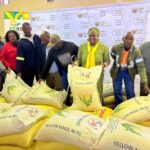
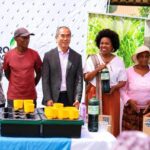
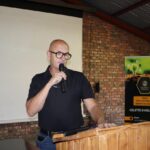
South Africa continues to intensify its fight against Foot and Mouth Disease through coordinated vaccination campaigns aimed at protecting livestock, strengthening biosecurity and safeguarding regional agricultural trade. On 11 May 2026, the seventh nationwide Foot and Mouth Disease vaccination rollout campaign was conducted at the Shabalala Crush Pen in Hazyview within the City of Mbombela Municipality. The campaign was led by South Africa’s Minister of Agriculture, John Steenhuisen, alongside international dignitaries and regional agricultural leaders from neighbouring countries. The event highlighted the growing importance of cross-border cooperation in addressing livestock diseases that threaten rural livelihoods and economic stability across Southern Africa. It also reinforced the region’s commitment to coordinated disease management strategies that support food security and sustainable agricultural development.
Among the international delegates present were Mandla Tshawuka, the Minister of Agriculture from the Kingdom of Eswatini, as well as Prof Chillundo representing Mozambique’s Ministry of Agriculture, Environment and Fisheries. Traditional leadership was represented by Mr Sipho Monareng, Chairperson of the House of Traditional Leadership in Nkambeni, while the City of Mbombela Municipality was represented by MMC for Community Service and Public Safety, Phindile Mbowane. The participation of multiple stakeholders from across the region reflected the seriousness of the Foot and Mouth Disease threat and the shared responsibility required to manage it effectively. Livestock diseases can spread rapidly across borders through animal movement, trade routes and wildlife corridors, making regional cooperation essential. By bringing together government officials, veterinary experts and local leadership, the campaign demonstrated a united approach to disease prevention and livestock protection.
The vaccination campaign forms part of South Africa’s broader regional disease-control strategy focused on reducing the spread of Foot and Mouth Disease in high-risk areas. Foot and Mouth Disease remains one of the most serious animal health threats affecting cattle and other cloven-hoofed animals across many parts of Africa. Outbreaks can severely disrupt agricultural trade, reduce livestock productivity and place financial pressure on farmers and rural communities. Vaccination programmes are therefore critical for controlling outbreaks and reducing transmission rates among livestock populations. The campaign in Hazyview targeted areas considered vulnerable due to their proximity to international boundaries and wildlife movement corridors. These regions require continuous monitoring and preventative measures to minimise the risk of disease outbreaks spreading into wider farming areas.
Cross-border collaboration remains central to the success of disease-control programmes in Southern Africa. During the visit, delegates emphasised the importance of strengthening communication and coordination between neighbouring countries to improve surveillance and response systems. Shared veterinary protocols, information exchange and joint monitoring efforts help reduce delays in identifying and containing outbreaks. The movement of animals between countries and across rural communities increases the need for harmonised disease-control measures throughout the region. Without coordinated intervention, isolated outbreaks can quickly escalate into larger regional crises affecting food supply chains and export markets. The presence of officials from Eswatini and Mozambique highlighted the growing commitment to collective agricultural resilience within the Southern African region.
Stakeholder engagement with local farmers formed an important part of the vaccination rollout campaign. Farmers and livestock owners were given an opportunity to discuss challenges related to animal health management, vaccination compliance and movement controls with veterinary officials and government representatives. Community awareness programmes remain essential in helping farmers identify symptoms early and report suspected cases quickly. Educational outreach also helps improve understanding of vaccination schedules, biosecurity practices and legal requirements linked to animal movement. Farmers play a frontline role in disease prevention because early reporting and compliance can significantly reduce the spread of infection. Strengthening communication between authorities and farming communities remains critical for building trust and improving the effectiveness of disease-control strategies.
Animal movement compliance was another key topic discussed during the campaign because uncontrolled livestock movement continues to increase the risk of disease transmission. Authorities continue to strengthen monitoring systems designed to track livestock movement between farms, markets and border regions. Compliance measures help veterinary officials identify potential exposure risks and implement quarantine procedures where necessary. These systems are especially important in areas close to wildlife reserves where interaction between domestic livestock and wild animals can contribute to disease spread. Effective traceability systems also support faster response times during outbreaks, reducing economic losses for farmers and the broader agricultural sector. Improved movement control measures form a core part of South Africa’s long-term livestock health strategy.
The role of veterinary services in managing livestock health was also highlighted during the event. Veterinary teams continue to work closely with farmers to administer vaccines, monitor herd health and strengthen surveillance in affected districts. Their work is essential for maintaining stable livestock production and protecting food security across rural communities. Veterinary professionals also assist with laboratory testing, outbreak investigations and public awareness campaigns aimed at reducing the impact of livestock diseases. Investment in veterinary infrastructure and training remains necessary to improve the country’s ability to respond to future outbreaks. Strong veterinary systems are widely recognised as one of the foundations of sustainable livestock production and agricultural competitiveness.
Foot and Mouth Disease control also carries significant economic importance for South Africa and the wider Southern African region. The livestock industry contributes substantially to rural employment, food production and export revenue, making disease prevention a national priority. Outbreaks can result in trade restrictions that affect access to international markets and reduce confidence in regional meat exports. By strengthening vaccination campaigns and regional coordination, authorities aim to protect the agricultural economy and maintain stable supply chains. These efforts also support long-term goals of positioning Southern Africa as a competitive and reliable supplier of livestock products to global markets. Effective disease management therefore benefits both farmers and the broader economy.
The seventh nationwide Foot and Mouth Disease vaccination rollout campaign in Hazyview demonstrated the importance of regional unity, proactive intervention and community participation in protecting livestock health. The involvement of South African leaders, international delegates and local stakeholders reflected a shared commitment to strengthening biosecurity and supporting sustainable agriculture across Southern Africa. Through vaccination, surveillance, animal movement control and public awareness, the region continues to build stronger systems for managing livestock diseases. Farmers, veterinary officials and government departments all play important roles in ensuring these efforts remain effective and sustainable. As agricultural systems face growing pressure from disease risks and trade demands, coordinated regional action will remain essential in securing the future of livestock farming and food security in Southern Africa.
Join 'Farmers Mag' WhatsApp Channel
Get the latest Farming news and tips delivered straight to your WhatsApp
CLICK HERE TO JOIN