Agricultural Extension Services in South Africa play a central role in supporting farmers, improving food production and strengthening rural economies. These services act as a bridge between research institutions, government programmes and farming communities. They help farmers understand modern farming techniques, improve productivity and manage resources more efficiently. In a country where agriculture supports both commercial and small scale farming systems, extension services are essential for ensuring inclusive growth. They also contribute to food security by helping farmers produce more reliable and higher quality crops and livestock.
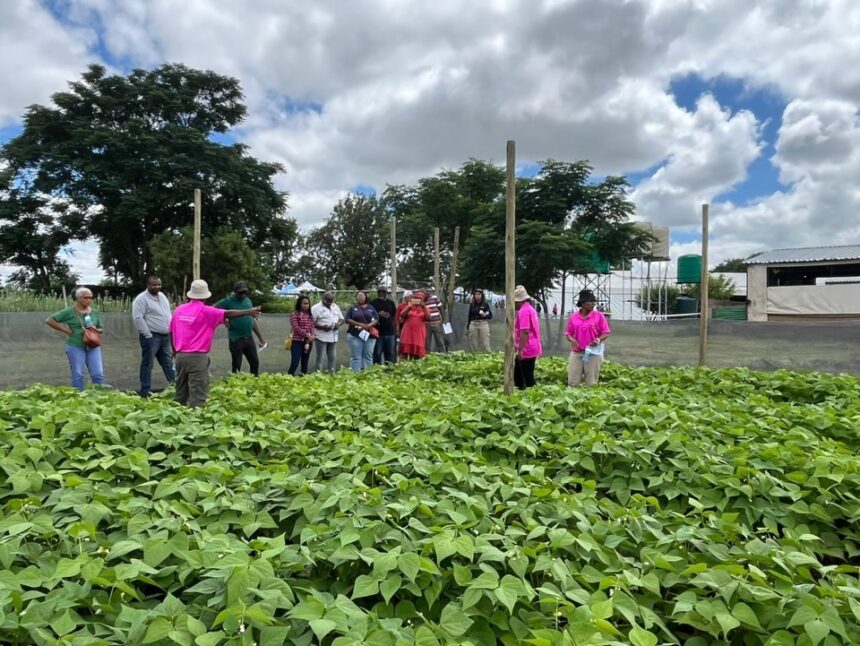
The system of agricultural extension in South Africa is mainly driven by government through provincial departments of agriculture. Extension officers are deployed across rural and peri urban areas to provide direct support to farmers. Their work includes advising on crop production, soil management, animal health, irrigation methods and pest control. They also assist farmers with accessing government support programmes and training opportunities. In many communities, extension officers are the first point of contact for farmers who need technical advice or assistance with agricultural challenges. This makes their role important for both emerging farmers and established commercial producers.
One of the key functions of Agricultural Extension Services is to promote sustainable farming practices. Extension officers educate farmers on how to use natural resources responsibly while maintaining productivity. This includes guidance on water conservation, soil fertility management and climate resilient farming methods. With climate change affecting rainfall patterns and increasing the risk of droughts, this support has become even more important. Farmers are encouraged to adopt methods that reduce risk and improve long term productivity. These efforts help protect both the environment and agricultural livelihoods.
Agricultural Extension Services also play a major role in supporting land reform and emerging farmers. Many new farmers face challenges such as limited access to capital, lack of experience and difficulty accessing markets. Extension officers provide training and mentorship to help these farmers build viable farming enterprises. They assist with business planning, production cycles and market readiness. In addition, they help farmers understand regulatory requirements and compliance standards. This support is critical for ensuring that emerging farmers can participate meaningfully in the agricultural economy.
In addition to technical support, extension services contribute to rural development by strengthening community based agriculture projects. They work with cooperatives, smallholder groups and community gardens to improve productivity and organisation. This includes helping groups coordinate production, improve storage methods and connect with buyers. Extension officers also facilitate access to government grants and agricultural support programmes. By doing this, they help create local economic opportunities and improve household food security. Their presence in rural areas helps reduce isolation and improves knowledge sharing among farmers.
Despite their importance, Agricultural Extension Services in South Africa face several challenges. These include limited staffing, resource constraints and uneven service delivery across provinces. In some areas, extension officers are responsible for large regions, which limits their ability to provide consistent support. There is also a growing need for better training and digital tools to improve efficiency and communication with farmers. Strengthening these services is essential for improving agricultural productivity and ensuring that all farmers receive adequate support. Investments in capacity building and technology could significantly improve their impact.
Agricultural Extension Services remain a vital part of South Africa’s agricultural system and rural development strategy. They help farmers improve production, adopt modern practices and respond to environmental challenges. Their work supports both food security and economic growth by ensuring that knowledge and resources reach farming communities. As agriculture continues to evolve, the demand for effective extension services will continue to grow. Strengthening these services will be key to building a more productive, resilient and inclusive agricultural sector in South Africa.
Join 'Farmers Mag' WhatsApp Channel
Get the latest Farming news and tips delivered straight to your WhatsApp
CLICK HERE TO JOIN