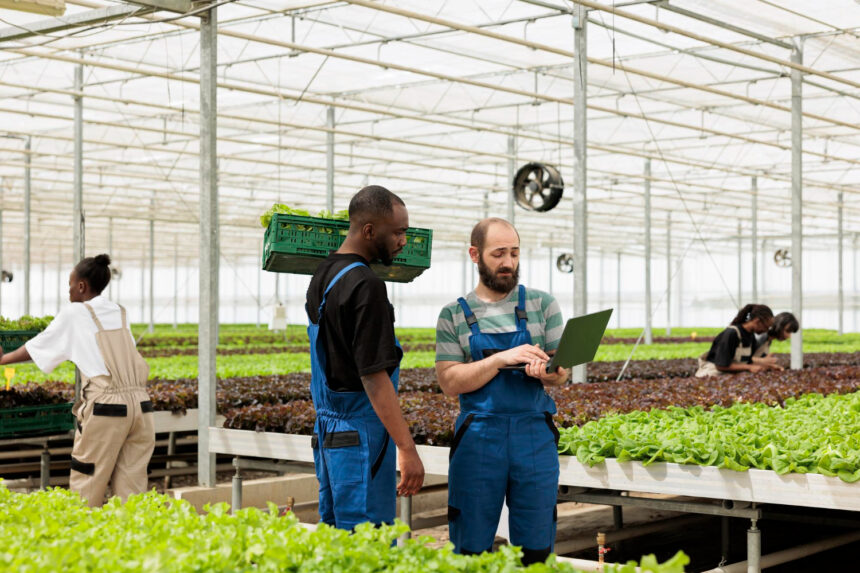
Agricultural training programs in South Africa play a vital role in building skills for a strong farming sector. These programs help students, workers, and smallholders learn modern farming methods. Agriculture is a major part of South Africa’s economy and supports millions of jobs. With rising demand for food and sustainable farming, training programs have grown in importance. You will find options from government initiatives to private colleges and community programs that focus on practical skills and knowledge.
Many agricultural training programs in South Africa include classroom learning and hands on field work. Students learn about soil science, crop management, livestock care, pest control, and irrigation. Training often includes lessons on farm business management, planning, and budgeting. These skills help learners start their own farms or find work on commercial farms. Programs often partner with research institutes and farms so students can work with real crops and animals.
Access to training has expanded across the country to reach rural areas where farming is a way of life. Government funded programs aim to support emerging farmers and help them compete in local markets. Some programs provide equipment, seed packs, and mentoring to help graduates start strong. Universities offer diplomas and degrees in agricultural science and agribusiness. These academic paths combine theory with practical work to prepare students for complex challenges in the sector.
Private training providers also offer focused courses that teach specific skills. These include tractor operation, horticulture, poultry farming, and organic farming practices. Many courses are short and designed to fit around work or family life. Online modules are becoming more common to help learners access training without travel. These flexible options make it easier for people at all stages of life to improve their farming skills.
Agricultural training programs also emphasize sustainability and climate smart farming. South Africa faces water scarcity and soil degradation in many regions. Training teaches ways to conserve water, build soil health, and reduce environmental harm. Farmers learn how to adapt to weather changes and protect their crops. Sustainable practices help improve long term yield and reduce costs.
Choosing the right training program depends on your goals, budget, and location. Look for programs with strong practical components and links to industry. Check that trainers have real experience in farming and that the curriculum matches your needs. Many programs offer certificates on completion which can help with job applications. You can also join farming associations to network and learn from others.
Agricultural training programs in South Africa support growth, innovation, and economic opportunity. They equip learners with skills that lead to better farms and stronger communities. By focusing on practical learning and modern techniques, these programs increase productivity across the sector. As demand for food and sustainable practices grows, training remains a key investment for individuals and the nation. With solid training and support, more farmers can thrive and contribute to a resilient agricultural economy.
Join 'Farmers Mag' WhatsApp Channel
Get the latest Farming news and tips delivered straight to your WhatsApp
CLICK HERE TO JOIN