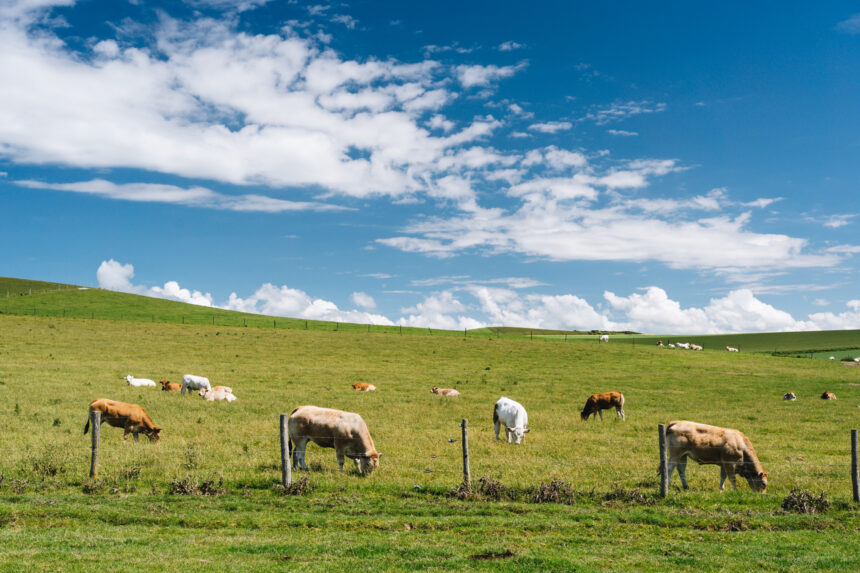
Beef farming in South Africa offers a viable pathway for income generation and contributes significantly to the country’s agricultural economy. The demand for beef remains strong both domestically and internationally, providing opportunities for small-scale and commercial farmers. Starting a beef farm requires careful planning, including selecting suitable land, understanding cattle breeds, and implementing proper feeding, health, and breeding practices. Knowledge of market trends, production costs, and sustainable farming methods is essential for profitability. By establishing a well-managed operation, new farmers can build a foundation for long-term success in the beef industry.
Choosing the right location is crucial for a successful beef farm. Cattle require access to quality grazing land with sufficient pasture and clean water. Soil fertility and vegetation type affect pasture productivity, making regular soil testing and pasture management necessary. Fencing and infrastructure such as water points, handling facilities, and shelters are important to ensure animal safety and efficient farm operations. Farmers should also consider climate conditions, including rainfall patterns and temperature, to select areas suitable for the specific breed of cattle. Proper site selection reduces operational challenges and supports healthy cattle growth.
Selecting the appropriate cattle breed is another key factor in beef farming. Popular beef breeds in South Africa include Bonsmara, Angus, Hereford, and Simmentaler, chosen for their adaptability, growth rates, and meat quality. Crossbreeding can improve fertility, disease resistance, and feed conversion efficiency. Farmers should plan breeding programs carefully, ensuring genetic diversity and monitoring herd performance to optimize productivity. Health management is equally important, with vaccination, parasite control, and routine veterinary care preventing diseases that can reduce growth rates and profitability. A well-maintained herd contributes to consistent production and high-quality beef.
Feeding and nutrition play a central role in cattle growth and meat quality. Grazing on natural pastures is the primary source of nutrition, but supplementation with protein-rich feeds, minerals, and vitamins may be necessary, especially during dry seasons. Proper feed management ensures steady growth, supports reproductive performance, and improves meat quality. Farmers should monitor pasture conditions and adapt grazing plans to prevent overgrazing, soil degradation, and nutrient deficiencies. Efficient feeding practices combined with water management optimize herd health and overall farm productivity.
Marketing and farm management strategies are critical for new beef farmers. Understanding market demand, pricing trends, and quality standards helps farmers sell their beef profitably. Establishing relationships with abattoirs, butchers, or direct-to-consumer channels can secure reliable buyers. Record-keeping, cost tracking, and performance monitoring enable informed decision-making and improve operational efficiency. With careful planning, proper breed selection, effective nutrition, and strategic marketing, beginner beef farmers in South Africa can build sustainable operations that contribute to rural development, job creation, and the growth of the agricultural sector.
Join 'Farmers Mag' WhatsApp Channel
Get the latest Farming news and tips delivered straight to your WhatsApp
CLICK HERE TO JOIN