

Artificial intelligence (AI) is increasingly transforming farming in South Africa, offering new ways to improve productivity, efficiency, and sustainability in the agricultural sector. By integrating AI technologies such as machine learning, drones, sensors, and data analytics, farmers can make smarter decisions based on real-time insights. These innovations allow producers to monitor crop health, optimise irrigation, detect pests early, and forecast yields more accurately. As South Africa faces challenges like climate variability, water scarcity, and fluctuating market demands, AI provides tools that help farmers respond quickly and effectively. The adoption of AI is positioning the country’s agricultural sector to compete globally while supporting local food security and economic growth.
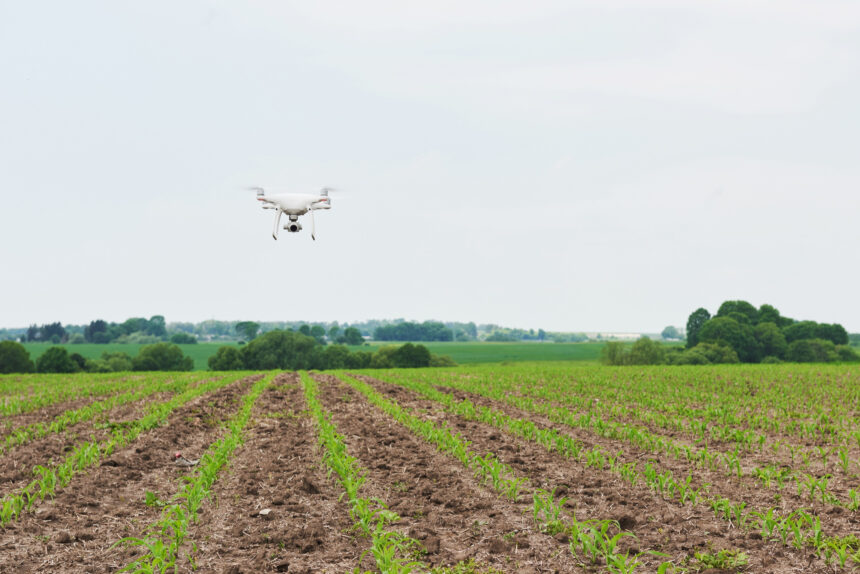
AI applications in farming cover a wide range of functions, from crop and soil monitoring to livestock management and supply chain optimisation. Smart sensors placed in fields can track soil moisture, nutrient levels, and weather conditions, providing data that informs irrigation and fertilisation schedules. Drones equipped with cameras and imaging technology can detect crop diseases and pest infestations, allowing early intervention that reduces losses and minimises chemical use. Machine learning algorithms can analyse historical and current data to predict crop performance, helping farmers plan planting and harvesting schedules more efficiently. These tools reduce waste, improve yields, and lower operational costs, making farms more profitable and sustainable.
Livestock farmers in South Africa are also benefiting from AI-driven solutions. Wearable sensors can monitor the health, movement, and feeding patterns of cattle, detecting early signs of disease or stress. AI-based analytics help optimise breeding programs, track animal growth, and improve overall herd management. Predictive models can forecast feed requirements and market trends, enabling farmers to make informed decisions that reduce costs and enhance profitability. By integrating AI with existing farm management systems, producers can gain a comprehensive view of operations, combining animal welfare with efficiency and market competitiveness.
Beyond individual farms, AI is improving the broader agricultural value chain in South Africa. Data-driven insights allow better supply chain management, connecting farmers with processors, distributors, and retailers. AI can forecast demand, optimise storage and logistics, and reduce post-harvest losses, ensuring that produce reaches markets efficiently. Government agencies and research institutions are also leveraging AI to analyse climate patterns, monitor water resources, and support policy decisions that enhance food security. Collaboration between technology providers, farmers, and policymakers is helping create a more resilient and modern agricultural sector capable of addressing future challenges.
The adoption of artificial intelligence in South African farming represents a significant step toward modernising the industry, improving productivity, and supporting sustainability. AI empowers farmers with actionable insights, reduces operational risks, and opens access to new markets while enhancing environmental management. While implementation requires investment in technology and training, the long-term benefits in terms of efficiency, profitability, and resilience are substantial. By embracing AI, South Africa’s agricultural sector can meet the demands of a growing population, adapt to climate challenges, and compete on a global scale. The integration of technology into farming is not just a trend but a strategic pathway toward a more productive, sustainable, and innovative future for agriculture.
Join 'Farmers Mag' WhatsApp Channel
Get the latest Farming news and tips delivered straight to your WhatsApp
CLICK HERE TO JOIN




