South Africa’s dairy industry is increasingly turning to value-added processing to boost profitability, improve product diversity, and support rural development. Beyond raw milk production, processing into products such as yoghurt and cheese creates higher market value, extends shelf life, and opens access to both domestic and international markets. Farmers and cooperatives are recognizing that producing milk alone often limits revenue potential, whereas investing in processing infrastructure or partnerships can generate additional income streams. This trend is particularly relevant as consumers show growing demand for convenience, health-oriented dairy products, and specialty cheeses. Understanding how value addition works is critical for producers aiming to enhance competitiveness and secure sustainable returns.
Yoghurt production offers significant opportunities for South African dairy farmers, as it combines nutritional value with versatility in retail and food service sectors. Producers can target diverse market segments, including plain, flavoured, and probiotic variants, which are increasingly popular among health-conscious consumers. The process requires careful attention to milk quality, fermentation control, and hygiene standards to ensure consistent product safety and taste. Small-scale and emerging farmers can collaborate with local processors or form cooperatives to access the necessary technology and expertise. Effective marketing, including branding and packaging, also plays a key role in differentiating products and attracting consumers in a competitive market.
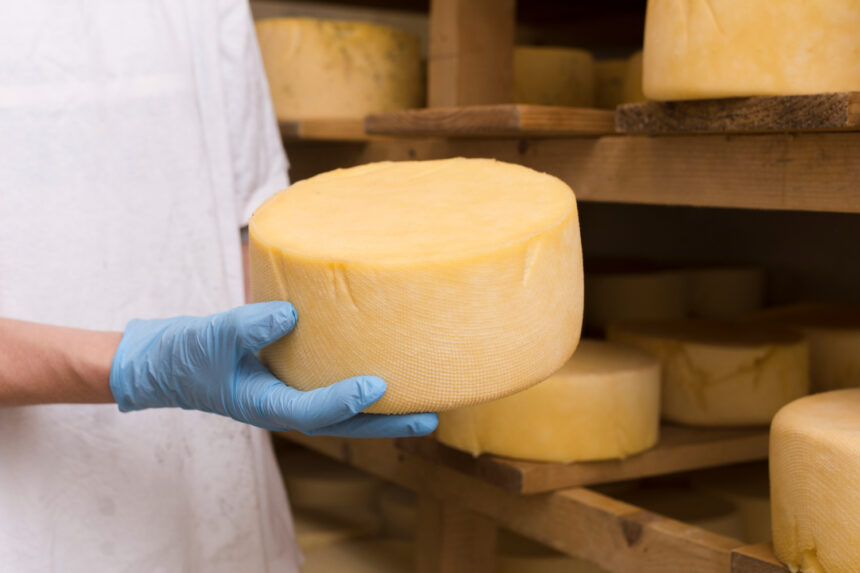
Cheese production represents another promising avenue for value addition, particularly given the growing domestic and export demand for both soft and hard cheeses. Transforming milk into cheese allows farmers to capture a larger share of the consumer value chain, as cheese commands higher prices than liquid milk. Different cheese varieties, including cheddar, mozzarella, and specialty artisanal types, cater to a wide range of tastes and price points. Production requires investment in processing equipment, aging facilities, and quality control systems, but these costs are offset by the longer shelf life and premium pricing potential. Training and technical support from industry associations or extension services can help farmers meet regulatory standards and maintain product consistency.
Adding value through dairy processing also strengthens food security and rural economic development. By producing yoghurt and cheese locally, communities reduce reliance on imports and stabilize supply chains. Processing creates employment opportunities, from production and packaging to marketing and distribution, which benefits both smallholders and local economies. For emerging farmers, value addition can increase resilience against fluctuating milk prices, as processed products retain value even during periods of oversupply. Government support, industry partnerships, and cooperative structures are critical in helping farmers navigate regulatory, technical, and market challenges.
Success in dairy value addition relies on adherence to high standards of hygiene, quality assurance, and consistent supply. Processors must maintain cold chain management, accurate fermentation control, and rigorous testing to meet both local and export market requirements. Collaboration between producers, processors, and retailers ensures that products reach consumers efficiently and maintain profitability. In addition, branding and product innovation, including the development of flavored yoghurts or specialty cheeses, enhance competitiveness in a crowded market. Farmers and processors who combine technical expertise with market understanding are better positioned to capture value and expand their presence.
The future of South Africa’s dairy industry increasingly depends on its ability to add value through processing. Yoghurt and cheese production offer clear pathways to higher returns, improved market access, and economic empowerment for both commercial and emerging farmers. By investing in processing technology, training, and cooperative structures, the industry can strengthen rural livelihoods while meeting consumer demand for high-quality dairy products. Continued innovation, combined with robust quality management, will allow South African dairy producers to compete effectively, increase profitability, and contribute to a resilient and sustainable agricultural sector.
Join 'Farmers Mag' WhatsApp Channel
Get the latest Farming news and tips delivered straight to your WhatsApp
CLICK HERE TO JOIN