South Africa plays a pivotal role in the Southern African Development Community (SADC) livestock trade, supplying both cattle and small stock to neighbouring countries. Cross-border trade in livestock has become increasingly important for regional food security, economic growth, and market diversification. Livestock exports support farmers by creating additional revenue streams and reducing dependence on domestic markets. The trade involves not only commercial producers but also smallholder farmers who benefit from access to larger regional markets. Understanding regulations, disease control measures, and logistical requirements is critical for ensuring smooth and profitable operations across borders.
Livestock export from South Africa to SADC countries is governed by strict veterinary and trade regulations. The Department of Agriculture, Land Reform and Rural Development (DALRRD) oversees animal health certification, ensuring that only disease-free animals are allowed to cross borders. Key health requirements include testing for Foot-and-Mouth Disease (FMD), contagious bovine pleuropneumonia, and other regionally regulated diseases. Exporters must work closely with accredited veterinary officers to obtain the necessary certificates. Compliance with these measures protects both South African herds and the receiving countries, preventing the spread of contagious diseases.
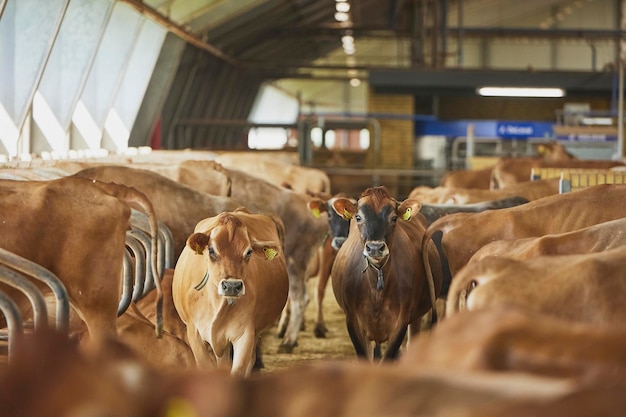
Transport and logistics are essential components of cross-border livestock trade. Animals are typically transported via trucks equipped with appropriate containment and ventilation to minimize stress and maintain health. Exporters must adhere to animal welfare standards during loading, transport, and unloading, as poor handling can lead to injury or mortality. Border posts have designated facilities for veterinary inspections, documentation verification, and quarantine if necessary. Efficient planning and coordination with transport operators, veterinary authorities, and buyers are crucial to ensure timely delivery and maintain the quality of livestock.
Market demand within SADC countries varies depending on cultural practices, consumption patterns, and seasonal factors. South African exporters often supply cattle for beef production, while small stock such as goats and sheep are in demand for both meat and breeding purposes. Regional markets, including Mozambique, Zimbabwe, Eswatini, and Botswana, offer opportunities for farmers to expand their reach. Pricing depends on animal quality, age, weight, and adherence to health standards. Exporters who understand market preferences and maintain consistent supply can secure long-term contracts and strengthen regional trade relationships.
Partnerships and private-public collaborations have strengthened the SADC livestock trade framework. Organizations such as the South African Meat Industry Company (SAMIC) and provincial agricultural unions assist farmers in navigating export regulations, obtaining permits, and connecting with buyers. Training in animal handling, health management, and compliance with cross-border regulations increases the readiness of producers to participate in the trade. Government initiatives also provide infrastructure support, including designated export abattoirs, quarantine facilities, and transport corridors. These measures reduce risk, enhance efficiency, and promote transparency in regional trade.
Challenges remain in cross-border livestock trade, including disease outbreaks, logistical bottlenecks, and administrative delays. Exporters must monitor animal health closely, implement biosecurity measures, and maintain accurate records. Weather conditions, road infrastructure, and border processing times can also affect delivery schedules and costs. Proactive planning, collaboration with veterinary services, and engagement with trade organizations help mitigate these risks. Awareness of evolving SADC trade policies ensures compliance and avoids penalties that could disrupt market access.
Cross-border livestock trade offers significant opportunities for South African farmers to grow revenue, strengthen regional partnerships, and contribute to food security. By adhering to veterinary standards, leveraging logistical networks, and understanding market demands, producers can maximize the benefits of exporting to SADC countries. Ongoing support from government bodies and industry organizations enhances the sustainability and reliability of this trade. Farmers who adopt best practices in animal health, transport, and documentation are better positioned to compete in the regional market. Ultimately, cross-border livestock trade represents a vital component of South Africa’s agricultural economy and a pathway to long-term growth in the SADC region.
Join 'Farmers Mag' WhatsApp Channel
Get the latest Farming news and tips delivered straight to your WhatsApp
CLICK HERE TO JOIN