

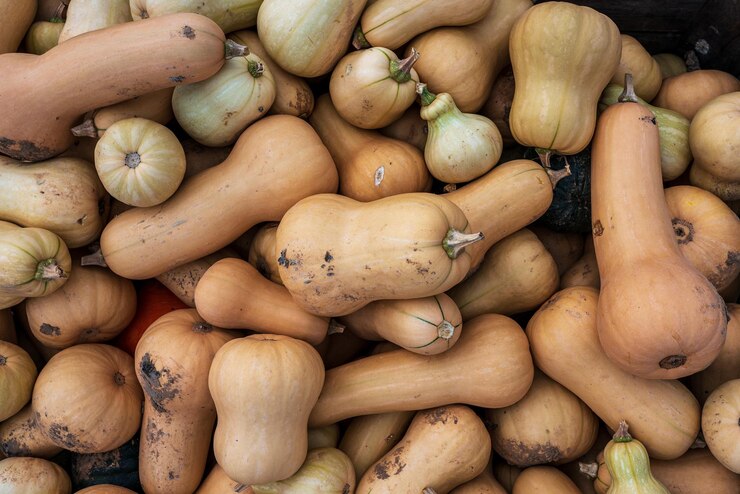
Pumpkins are a versatile crop with significant potential for value addition in South Africa. Many farmers sell pumpkins as fresh produce at low margins, but transforming them into snacks, purees, and seed products can significantly increase profitability. This guide explores practical ways South African farmers can turn pumpkin into marketable products while maintaining quality and safety.
Choosing the Right Pumpkin Varieties
Selecting the right variety is critical for processing. Butternut, Uchiki Kuri, and other firm-fleshed varieties are ideal for purees. Field pumpkins with large seeds are better suited for snacks and oil production. Harvest pumpkins when fully ripe, indicated by hard rinds and deep colour, to ensure optimal flavour, texture, and shelf life.
Preparing Pumpkins for Processing
Clean and sanitize all equipment and surfaces before processing. Wash pumpkins thoroughly to remove dirt. Cut into halves or cubes, separating seeds for snack or oil production. Remove stringy fibres for purees to achieve a smooth texture. Proper preparation reduces contamination risks and improves product quality.
Making Pumpkin Puree
Pumpkin puree is versatile and used in soups, sauces, baked goods, and baby food. To make puree, cook peeled pumpkin pieces in boiling water for 15–20 minutes until soft. Drain and cool, then blend into a smooth consistency. Pass through a sieve for finer texture if desired. Package puree in airtight containers or food-grade pouches, and pasteurize jars to extend shelf life. Label with production date and weight, and store in cool, dry conditions.
Creating Pumpkin Snacks
Pumpkin snacks attract health-conscious consumers and include chips and roasted seeds.
- Pumpkin Chips: Slice pumpkin thinly, dry in a dehydrator or low-temperature oven until crisp. Lightly season with salt or spices and package in resealable bags.
- Roasted Pumpkin Seeds: Clean and rinse seeds, drizzle with oil and salt, and roast at 120–150 degrees Celsius for 15–20 minutes. Cool seeds before packaging in clear bags. Offer small snack packs and larger family packs. Include nutrition labels for consumer trust.
Producing Pumpkin Seed Oil
Pumpkin seed oil is a premium product with growing demand in health and gourmet markets. Dry seeds thoroughly, then press using a mechanical oil press. Filter oil to remove solids and bottle in dark glass containers to prevent light damage. Label bottles with production date, nutritional benefits, and storage instructions. Store oil in cool, dark conditions.
Ensuring Quality and Safety
Adhere to food safety standards to maintain quality and consumer trust. Use clean water and sanitized equipment, train workers in hygiene, and inspect products for spoilage. Clearly label ingredients and production dates. Register products with local authorities if required for commercial sales.
Marketing and Sales Strategies
Branding and promotion are essential. Use clear product names, highlight local origin, and leverage South African cultural themes. Attend farmers’ markets, provide samples to retailers and cafes, and use social media or messaging apps for direct orders. Highlight the health benefits of pumpkin products to attract customers.
Cost Management and Pricing
Calculate all production costs, including labour, packaging, and transport. Price products to cover costs while remaining competitive. Monitor seasonal demand and adjust prices accordingly. Offering bundles or gift packs can attract additional sales, especially during festive seasons.
Processing pumpkins into snacks, purees, and seed products provides South African farmers with an opportunity to increase income, extend shelf life, and access new markets. With the right variety selection, preparation, quality control, and marketing strategies, pumpkin processing can evolve from a small-scale activity into a profitable enterprise. Focusing on value addition ensures farmers maximize returns from every pumpkin harvested.
Join 'Farmers Mag' WhatsApp Channel
Get the latest Farming news and tips delivered straight to your WhatsApp
CLICK HERE TO JOIN




