

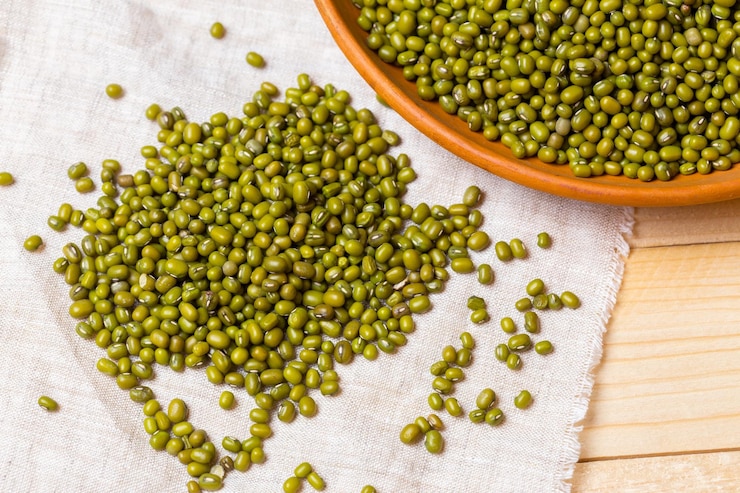
Mung beans are an underutilized crop in South Africa with high nutritional value and growing demand in the health food sector. Farmers who process mung beans into packaged snacks can increase income, reduce post-harvest losses, and tap into emerging markets. This guide provides practical steps for transforming mung beans into marketable snack products.
Selecting and Harvesting Mung Beans
Choose high-quality, disease-free mung bean varieties for processing. Varieties with uniform size and colour are easier to clean, roast, and package. Harvest beans when pods are dry and seeds are firm. Proper timing reduces moisture content, which lowers the risk of spoilage and improves shelf life.
Cleaning and Preparing Mung Beans
Clean harvested beans thoroughly to remove dirt, stones, and damaged seeds. Rinse and air-dry them before further processing. For snacks, beans should be free of impurities to ensure consistent roasting and texture. Proper cleaning also reduces contamination risks and increases product safety.
Roasting Mung Beans for Snacks
Roasted mung beans are a popular snack option due to their crunchy texture and protein content. Heat a dry pan or oven to 150–180 degrees Celsius. Spread mung beans in a single layer and roast for 15–25 minutes, stirring occasionally to prevent burning. Roast until beans are golden brown and aromatic. For flavour, add light salt, spices, or sugar while beans are warm.
Making Flavoured and Ready-to-Eat Snack Packs
Once roasted, cool mung beans completely before packaging to preserve crunchiness. Consider offering flavoured variations, such as spicy, smoky, or sweet-coated options, to appeal to different consumer preferences. Use resealable, food-grade packaging to maintain freshness and shelf life. Include labels with ingredients, production date, nutritional information, and storage instructions.
Exploring Other Snack Formats
Mung beans can also be transformed into other snack forms such as:
- Mung Bean Chips: Soak, grind, and shape mung beans into thin crisps, then bake or fry until crispy.
- Trail Mix: Combine roasted mung beans with nuts, dried fruits, and seeds for a healthy mix.
- Mung Bean Energy Bars: Blend roasted mung beans with honey, dates, and seeds, then compress into bars and package.
Ensuring Quality and Food Safety
Follow strict hygiene practices. Sanitize all equipment and surfaces, use clean water, and store beans in dry, cool conditions before processing. Monitor roasted snacks for signs of spoilage. Register products with local authorities if required for commercial sales. Proper handling ensures safety, quality, and consumer trust.
Marketing and Sales Strategies
Branding and promotion are critical. Highlight nutritional benefits such as high protein, fibre, and low fat. Position snacks as healthy, local, and additive-free. Sell through farmers’ markets, health stores, cafés, and online platforms. Offer sample packs to retailers and consumers to encourage repeat purchases.
Cost Management and Pricing
Calculate production costs, including raw beans, roasting, seasoning, packaging, and transport. Price products to cover costs while remaining competitive in the South African market. Track seasonal demand and adjust marketing strategies accordingly. Bulk packs and gift packs can attract additional sales.
Processing mung beans into packaged snacks offers South African farmers a profitable avenue to increase revenue and reach health-conscious consumers. Roasted beans, flavoured snacks, chips, trail mixes, and energy bars all provide diverse options for value addition. By focusing on quality, hygiene, and marketing, farmers can create products that stand out in the growing healthy snack market.
Join 'Farmers Mag' WhatsApp Channel
Get the latest Farming news and tips delivered straight to your WhatsApp
CLICK HERE TO JOIN




