

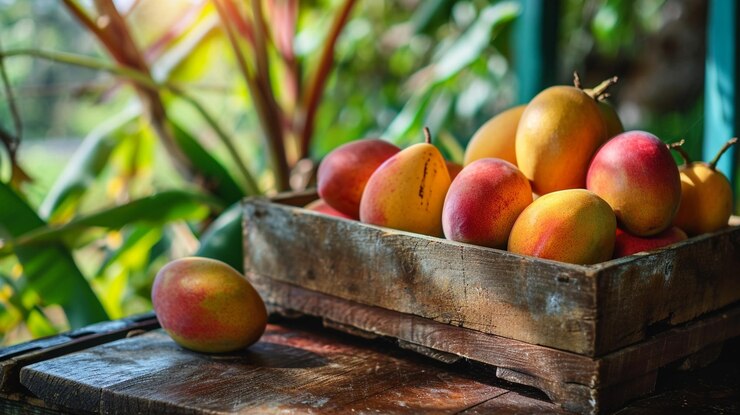
Mangoes are a popular and versatile tropical fruit in South Africa. Beyond selling fresh fruit, farmers can increase their income by producing juice, jam, and dried snacks. Each product requires specific preparation, processing, and storage methods. By adding value, mango farmers can access local markets, retailers, and niche consumers, creating sustainable business opportunities.
Mangoes are rich in vitamins, minerals, and natural sugars, making them appealing to health-conscious consumers. Their bright color, sweetness, and aroma make them ideal for processed products. By understanding these qualities, farmers can create high-quality, value-added products that attract more customers and generate higher profits.
Farmers should select ripe, healthy mangoes free from bruises or mold. Wash thoroughly to remove dirt and chemicals, then peel and remove the seeds. Cut or puree the flesh according to the intended product. Proper preparation reduces contamination and ensures consistent quality.
Mango juice is made by blending the pulp with water or other fruit juices. Sugar can be added depending on fruit sweetness and consumer preference. Pasteurization or heat treatment is necessary to extend shelf life and ensure safety. Bottle the juice in sterilized containers and store under refrigeration. Proper labeling, including ingredients and expiry dates, is essential for retail sales.
Mango jam is prepared by cooking mango pulp with sugar, and sometimes pectin, until it thickens. Continuous stirring prevents burning. Pour the hot jam into sterilized jars and seal immediately to prevent spoilage. Jam has a longer shelf life than fresh mangoes, making it ideal for local shops, farmers’ markets, and gift packs.
Drying mangoes concentrates their natural sweetness and extends shelf life. Slice the fruit evenly and dry using solar dryers, electric dehydrators, or low-temperature ovens. Dry until moisture content is low enough to prevent mold but still retains chewiness. Pack dried mango in airtight, moisture-resistant containers. Dried mango snacks are convenient for consumers and have strong market demand as healthy snacks.
Proper packaging preserves product quality and attracts buyers. Use airtight, moisture-proof containers for jams and dried fruit. Juice bottles should be sealed and stored under refrigeration. Labels with weight, ingredients, storage instructions, and expiry dates increase marketability.
Juice, jam, and dried mango products can be sold at local markets, supermarkets, health food stores, and online platforms. Offering different flavors, organic options, or mixed fruit products can increase sales. Gift packs and bulk orders provide additional revenue streams.
Farmers should inspect fruit for damage and spoilage before processing. Monitor cooking and drying processes to ensure consistent taste, texture, and appearance. Maintain hygiene throughout processing to reduce contamination and build consumer trust.
Investments are needed for cutting, blending, cooking, drying, and packaging equipment. Operational costs include labor, energy, and raw mangoes. Calculate production costs per unit to determine competitive pricing. Start with small batches to test recipes and market demand before scaling operations.
Processing mangoes into juice, jam, and dried snacks allows South African farmers to add value and increase income. By focusing on proper preparation, processing, packaging, and quality, farmers can reach diverse markets and develop sustainable businesses. Value-added mango products offer longer shelf life, higher profit margins, and opportunities to grow both local and broader market presence.
Join 'Farmers Mag' WhatsApp Channel
Get the latest Farming news and tips delivered straight to your WhatsApp
CLICK HERE TO JOIN




