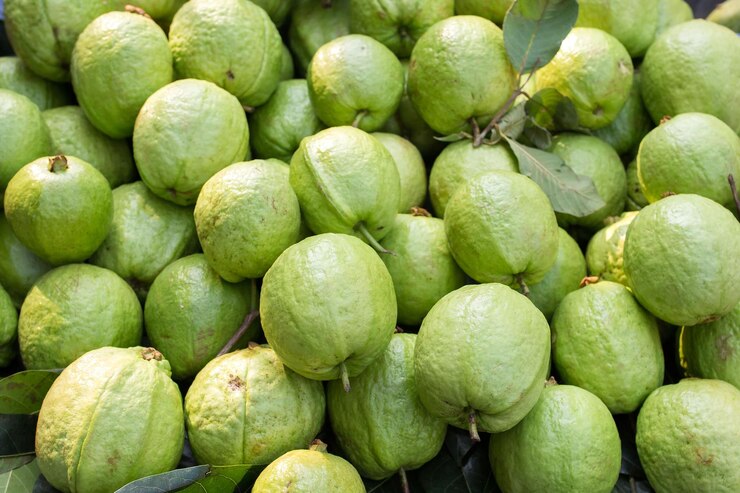
Guava is a versatile fruit widely grown in South Africa, known for its sweet aroma, high vitamin C content, and adaptability to local climates. Beyond selling fresh fruit, farmers can significantly increase income by processing guava into value-added products such as juice, jam, and dried snacks. Value addition reduces post-harvest losses and opens access to retail, export, and specialty markets.
Selecting the Right Guava Varieties
The first step in producing high-quality guava products is choosing suitable varieties. Common South African varieties like Apple Guava and Purple Guava are ideal for processing due to their firm flesh, consistent sweetness, and strong aroma. Uniform, fully ripe fruits provide better juice yield, jam consistency, and snack quality. Harvesting at peak ripeness ensures optimal flavour and nutrient retention.
Producing Guava Juice
Guava juice is a popular beverage with growing demand in health-conscious markets. The production process includes:
- Cleaning and Sorting: Wash fruits thoroughly and remove damaged or overripe guavas to ensure purity and flavour.
- Blanching and Pulping: Lightly blanch fruits to inactivate enzymes, then crush and strain to obtain smooth pulp.
- Pasteurisation and Bottling: Heat the juice to eliminate microbes, then bottle in sterilised containers. Cold-pressed or minimally processed juice retains more vitamins and natural flavour, appealing to premium consumers.
Farmers can brand guava juice as locally sourced, natural, and high in antioxidants, which helps capture niche retail and online markets.
Making Guava Jam
Guava jam is an easy-to-produce, high-value product. The process involves:
- Peeling and Chopping: Remove skins if necessary, and chop the fruit evenly.
- Cooking with Sugar: Combine guava with sugar and cook until it reaches a jam-like consistency. Pectin or lemon juice may be added to improve setting.
- Filling and Sealing: Pour into sterilised jars and seal immediately to extend shelf life.
Proper labelling with nutritional information, origin, and storage instructions enhances retail appeal. Seasonal flavours or blends with other fruits can create unique products for competitive differentiation.
Producing Guava Snacks
Dried guava snacks and fruit bars are increasingly popular in health-conscious and convenience-focused markets. Key steps include:
- Slicing and Pretreatment: Cut guavas into uniform pieces and treat with natural preservatives or light blanching to retain colour.
- Drying: Use solar dryers, oven drying, or freeze drying to remove moisture while preserving nutrients.
- Packaging: Store in airtight pouches to maintain freshness. Adding seasoning or sugar coatings can diversify the product range.
These snacks offer long shelf life, portability, and appeal to both retail and export markets.
Ensuring Food Safety and Compliance
Compliance with South African food safety standards is essential for packaged products. Farmers should ensure:
- Clean and hygienic processing facilities.
- Adequate temperature control during processing and storage.
- Proper labelling, including ingredients, allergens, and expiry dates.
- Optional certifications such as HACCP or ISO standards to enhance trust and access premium markets.
Marketing and Distribution
Guava products can be sold through supermarkets, health stores, farmers’ markets, and online platforms. Branding should emphasise farm origin, natural production, and nutritional benefits. Partnerships with co-operatives or local processors can help farmers scale production and ensure consistent supply.
Sustainability and Profitability
Value addition transforms guava into multiple revenue streams, improving profitability and reducing reliance on fresh fruit markets. Surplus or blemished fruits can be processed into juice, jam, or snacks, minimising waste. Sustainable orchard management, such as integrated pest management and organic fertilisation, maintains long-term productivity and soil health.
By processing guava into juice, jam, and snacks, South African farmers can expand market opportunities, increase income, and build a diversified agribusiness. Careful variety selection, proper processing techniques, compliance with food safety standards, and effective marketing are key to creating successful, profitable guava products.
Join 'Farmers Mag' WhatsApp Channel
Get the latest Farming news and tips delivered straight to your WhatsApp
CLICK HERE TO JOIN