December and January mark the peak of summer in Southern Africa. The heat, long days, and occasional rains make this a crucial time for your vegetable garden. Whether you are maintaining an established garden or planting new crops, this period requires focused attention to watering, pest control, and harvesting.
Start with water management. Hot days cause soil to dry out quickly, stressing plants. Water early in the morning or late in the afternoon to reduce evaporation. Deep watering two to three times a week is better than frequent light watering. Apply mulch around plants to keep soil cool and retain moisture. Grass clippings, straw, or composted leaves work well.
Weeding is critical. Weeds compete with vegetables for nutrients and water, especially during summer rains. Remove them before they seed. A hoe or hand weeder is effective if used regularly. Mulching also reduces weed growth between rows.
Check your crops daily for pests and diseases. Warm, humid weather encourages aphids, whiteflies, and fungal infections like powdery mildew. Inspect the undersides of leaves and treat early. Use organic sprays such as neem oil or a mild soap solution. Crop rotation and good spacing also reduce disease spread.
December and January are ideal months for harvesting summer vegetables. Pick tomatoes, peppers, beans, and cucumbers as they ripen to encourage continuous production. Regular harvesting prevents plants from becoming exhausted and ensures tender produce.
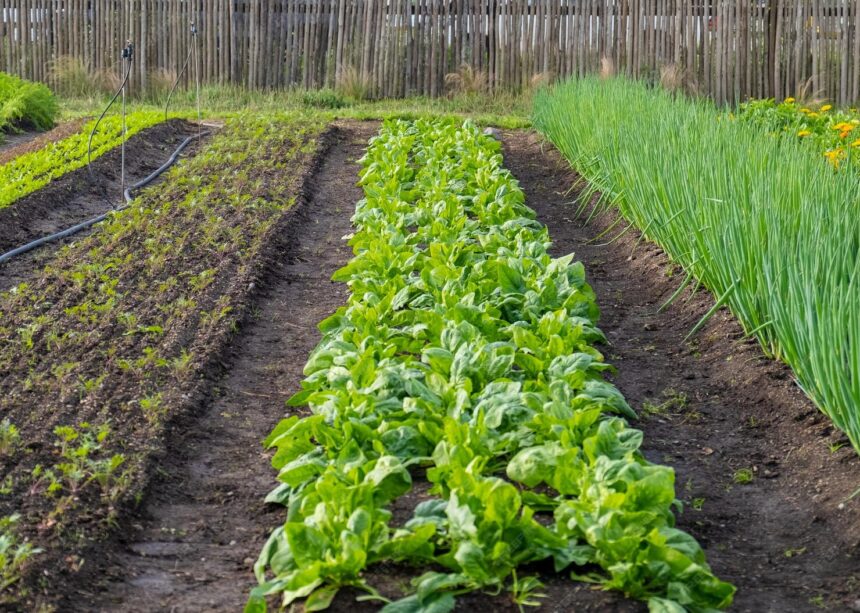
If your soil is rich and well-watered, you can still plant quick-growing crops. Leafy greens like spinach, lettuce, and Swiss chard grow well under partial shade. Sweetcorn, pumpkins, and butternuts can also thrive if planted early in December. For smaller spaces, try herbs such as basil, coriander, and parsley.
Feed your plants regularly. Heavy feeders like tomatoes and cucumbers need additional nutrients during fruiting. Apply compost tea, seaweed extract, or a balanced vegetable fertilizer every two to three weeks. Always water before fertilizing to prevent root burn.
Watch for signs of nutrient deficiency. Yellowing leaves can indicate nitrogen shortage, while poor flowering may mean low potassium. Adjust your feeding routine accordingly. Healthy soil leads to healthy plants, so continue adding organic matter after each harvest.
If you live in an area prone to heavy rains, ensure proper drainage. Raised beds or furrows prevent root rot and waterlogging. In drier regions, consider drip irrigation or clay pot watering to save water while keeping soil evenly moist.
Planning ahead also helps. Start preparing seed trays for autumn crops like carrots, beetroot, and cabbage. Growing seedlings now ensures an early start when temperatures drop.
December and January demand consistency in the garden. Water deeply, weed often, feed regularly, and harvest on time. By staying alert and proactive, you keep your garden productive through summer and set the stage for strong growth in the next season.
Join 'Farmers Mag' WhatsApp Channel
Get the latest Farming news and tips delivered straight to your WhatsApp
CLICK HERE TO JOIN