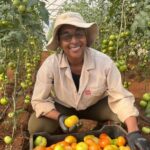
Miami Canners has become a household name in South Africa over more than 40 years, with products ranging from jams and pickles to atchar and piquanté peppers. The company’s success is built on local production, innovation, and a strong commitment to supporting farmers in the Limpopo region.
Roots and Growth
The Miami farm, near the Letaba River, was named in the early 1900s by US officials surveying the area. In the early 1970s, Jan Welthagen began producing fruit preserves on the farm, adding value to local fruit production. Miami Canners was formally established in 1983, and by 1984 it was in full-scale production.
A new factory, built in 1990 with modern equipment and research facilities, allowed the business to expand its product range. Today, Miami Canners produces canned tomatoes, pickles, atchar, and piquanté peppers sourced from contracted growers. The Letsitele Valley’s warm summers and mild winters support year-round production, enabling experimentation with crops and products.
Family-Driven Operations
The business remains family-owned. Yolande Welthagen and her husband, Mark Pieterse, oversee operations. Their daughter Moné manages production, Johann handles procurement, and youngest son Welmar focuses on business analysis. Miami Canners provides over 1,000 seasonal jobs and offers wellness programs and health screenings to workers, many of whom are part of the local Miami Tigers soccer team.
Mark Pieterse explains that quality and consistency are key to the brand’s success. “Miami delivers a wide range of products while ensuring they meet South African tastes. This has built a loyal customer base,” he says.
Production and Sourcing
The company cultivates gherkins, tomatoes, onions, peppers, butternut, eggplant, and mangoes on 550ha of farmland. Due to limited land and water, additional crops are sourced from contracted farmers. This approach spreads risk and ensures consistent supply, which is critical for uninterrupted production and market presence.
Gherkin production, for example, is labour-intensive, with planting in August and January and harvesting in October and March. Produce is processed quickly after harvest to maintain freshness, crispness, and flavour. Field, arrival, and processing quality checks ensure only the best products reach consumers.
Challenges and Market Competition
Miami Canners faces challenges including changing consumer preferences, weather extremes, pests, labour disputes, and competition from global brands. Maintaining quality and consistency is essential to securing market share.
The company is FSSC 22000 Version 6-certified, meeting strict international food safety standards. Traceability systems track every batch from farm to shelf, ensuring reliable quality and safety for consumers.
Sustainability Practices
Environmental sustainability is central to operations. Miami Canners prioritises water conservation, energy efficiency, and waste reduction. By supporting local farmers and using eco-friendly practices, the company contributes to a resilient agricultural ecosystem in Limpopo.
Future Plans
Miami Canners aims to expand production, replace imported goods with locally sourced products, and grow its footprint in neighbouring countries and Europe. Innovation and exploration of new flavours remain central to the company’s strategy, while supporting local agriculture and delivering high-quality South African products.
“Our commitment is to South Africa and its farmers,” Mark Pieterse says. “We aim to grow this business across generations while producing food that reflects the rich flavours and agricultural heritage of our country.”
Join 'Farmers Mag' WhatsApp Channel
Get the latest Farming news and tips delivered straight to your WhatsApp
CLICK HERE TO JOIN