

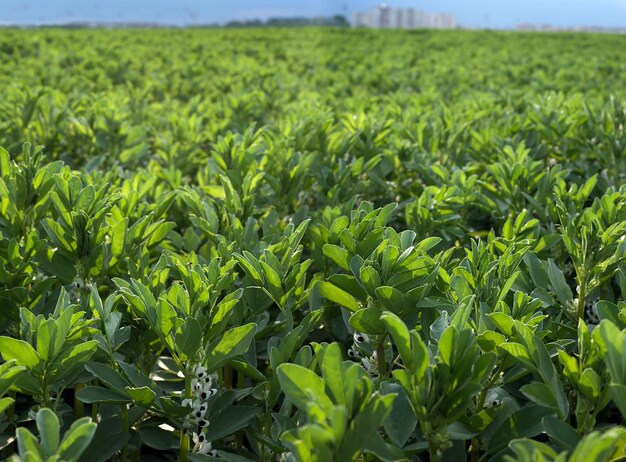
The Eastern Cape Wild Coast is emerging as a key region for medicinal plant farming, combining biodiversity with agricultural innovation. The area’s climate, fertile soils, and unique flora create ideal conditions for cultivating indigenous medicinal plants that are in demand locally and internationally.
Farmers in the region are increasingly focusing on plants such as African ginger, buchu, rooibos, devil’s claw, and aloe. These species are valued for their therapeutic properties and are used in traditional medicine, herbal teas, cosmetics, and pharmaceutical products. The cultivation of these plants provides income opportunities while supporting the conservation of indigenous species.
Successful medicinal plant farming requires careful planning. Soil quality, water availability, and microclimate conditions must be considered. Farmers are advised to conduct soil tests and select plant species suited to specific local conditions. Sustainable farming practices, including organic methods, intercropping, and minimal use of chemicals, help maintain soil health and preserve the environment.
Propagation techniques vary depending on the species. Seeds, cuttings, and tissue culture are commonly used to establish strong, disease-free plants. Nurseries play an important role in producing high-quality seedlings for commercial farming. Training in propagation and crop management is increasingly available through agricultural colleges, government programs, and non-profit organizations.
Harvesting and post-harvest handling are critical for maintaining the medicinal quality of plants. Proper drying, storage, and packaging ensure active compounds are preserved, meeting industry standards. Certification schemes, including organic certification, can increase market access and product value.
Market opportunities for medicinal plants are growing. Locally, they supply traditional medicine markets, health shops, and herbal remedy manufacturers. Internationally, demand for natural and plant-based products continues to expand, offering export potential to Europe, North America, and Asia. Farmers who maintain quality standards and establish consistent supply chains can access premium markets.
Challenges in medicinal plant farming include pests, diseases, climate variability, and access to markets. Collaboration among farmers, cooperatives, and research institutions helps address these challenges. Sharing knowledge on cultivation techniques, processing methods, and marketing strategies strengthens the sector.
Government support through the Department of Agriculture, Land Reform and Rural Development, as well as industry associations, provides training, funding, and technical advice. Emerging farmers are encouraged to participate in workshops and field schools to enhance their skills and improve production efficiency.
Medicinal plant farming on the Eastern Cape Wild Coast represents a sustainable opportunity that combines income generation, biodiversity conservation, and community development. With proper management, technical knowledge, and market access, farmers can build profitable enterprises while promoting the use of indigenous plants for health and wellness.
Join 'Farmers Mag' WhatsApp Channel
Get the latest Farming news and tips delivered straight to your WhatsApp
CLICK HERE TO JOIN




