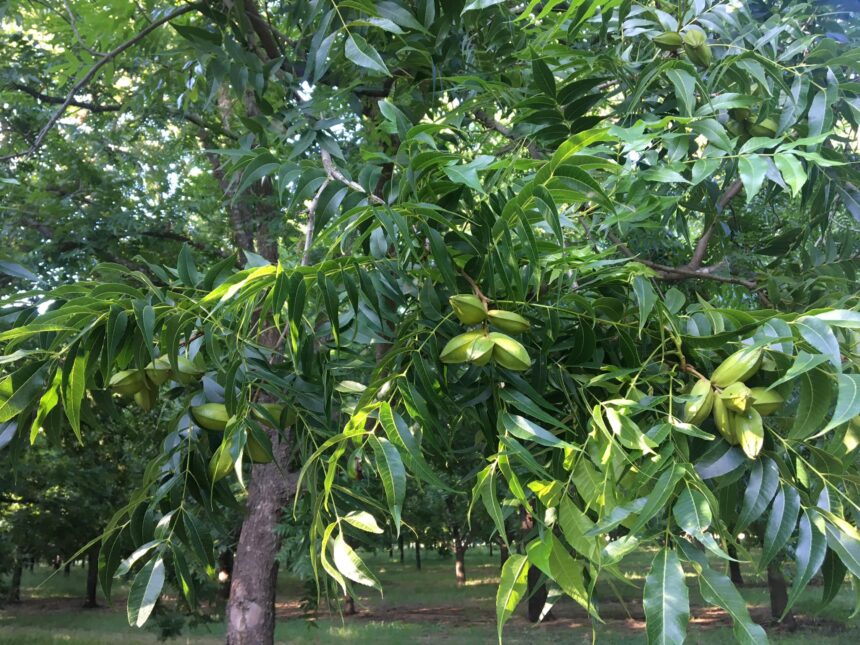
Pecan nuts are a high-value crop with growing demand locally and internationally. The Northern Cape, with its semi-arid climate, offers ideal conditions for pecan cultivation when combined with proper irrigation and soil management. Starting a pecan nut farm requires careful planning, investment, and knowledge of the crop’s needs.
1. Assess the Land and Climate
Pecan trees thrive in areas with long, hot summers and mild winters. The Northern Cape’s climate is suitable, but you must consider access to water for irrigation. Soil should be deep, well-drained, and rich in organic matter. Conduct soil tests to determine pH, nutrient levels, and texture. Pecan trees prefer slightly acidic to neutral soil (pH 6–7).
2. Choose the Right Pecan Varieties
Selecting the correct variety is critical for yield and nut quality. Popular varieties include Wichita, Desirable, and Apache, known for high nut quality and adaptability to South African conditions. Consider disease resistance, pollination requirements, and market demand when choosing varieties. Most pecans require cross-pollination, so planting at least two compatible varieties is recommended.
3. Prepare the Land
Clear the land of weeds and debris, and prepare planting rows with proper spacing. Pecan trees need about 12–15 meters between trees to allow for canopy growth. Install irrigation systems, such as drip or micro-sprinklers, to provide consistent water during dry months. Mulching around young trees helps retain soil moisture and suppress weeds.
4. Planting Pecan Trees
Plant young pecan trees in early spring or late winter to avoid extreme heat. Dig holes larger than the root ball and backfill with a mixture of native soil and compost. Ensure the graft union is above soil level to prevent disease. Water thoroughly after planting and continue regular irrigation until the trees are established.
5. Fertilisation and Soil Management
Young pecan trees require balanced fertilisation for strong root and canopy growth. Use nitrogen-rich fertilisers initially, then adjust to include phosphorus, potassium, and micronutrients as the trees mature. Conduct annual soil tests to monitor nutrient levels. Applying organic matter such as compost improves soil structure and fertility.
6. Pest and Disease Control
Common pecan pests include aphids, mites, and weevils, while diseases such as pecan scab and powdery mildew can affect yields. Implement an integrated pest management strategy, combining regular monitoring, biological controls, and selective chemical treatments. Maintaining tree health through proper nutrition and pruning reduces disease susceptibility.
7. Pruning and Training
Prune young trees to develop a strong framework and remove weak or crossing branches. Regular pruning improves sunlight penetration and airflow, which enhances nut quality and reduces disease risk. Training the main trunk and scaffolding branches is essential for long-term orchard productivity.
8. Irrigation Management
Consistent water supply is crucial, especially in the Northern Cape’s dry climate. Young trees may require irrigation several times per week, while mature trees need deep watering every 1–2 weeks, depending on soil type and weather. Drip irrigation is efficient and reduces water loss compared to traditional methods.
9. Harvesting and Processing
Pecans typically start bearing nuts after 5–7 years, with full production reached around 10 years. Harvest occurs when nuts fall naturally from the trees. Collect, dry, and shell the nuts before storage. Proper handling ensures high-quality nuts that meet market standards.
10. Marketing and Business Planning
Develop a business plan that includes production costs, expected yields, and marketing strategies. Pecan nuts have strong demand in domestic and export markets. Direct sales to retailers, wholesalers, or processing companies can maximise profits. Consider value-added products like roasted or shelled pecans to diversify income streams.
Starting a pecan nut farm in the Northern Cape requires long-term planning, investment in infrastructure, and careful crop management. With the right varieties, irrigation, and sustainable practices, farmers can develop a profitable enterprise that benefits from South Africa’s growing pecan market.
Join 'Farmers Mag' WhatsApp Channel
Get the latest Farming news and tips delivered straight to your WhatsApp
CLICK HERE TO JOIN