

Spring is the ideal time for gardeners in South Africa to start planting a wide variety of vegetables, herbs, and flowers. September and October bring warmer temperatures and longer daylight hours, creating optimal conditions for seed germination and plant growth. Following a structured planting guide ensures healthy crops and vibrant gardens.
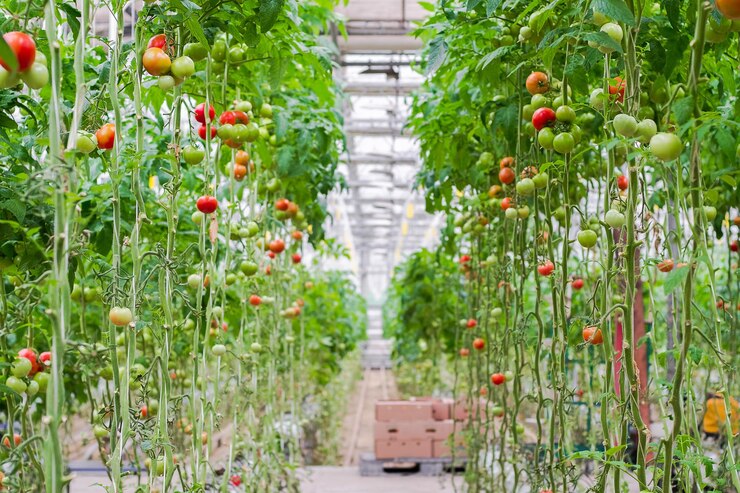
Vegetables that thrive in spring include tomatoes, peppers, cucumbers, beans, and zucchini. These warm-season crops require well-drained soil and consistent watering. Start seeds indoors or in a nursery before transplanting to the garden once the risk of frost has passed. Direct sowing is suitable for beans, carrots, and radishes, which germinate quickly and establish strong root systems.
Leafy greens such as spinach, lettuce, and Swiss chard can be planted throughout September and October. These crops prefer cooler soil but benefit from the increasing spring warmth. Regular watering and partial shade help prevent bolting and encourage tender, flavorful leaves. Companion planting with herbs like basil or coriander can deter pests and enhance growth.
Herbs such as basil, parsley, coriander, and dill perform well when sown in spring. Sow seeds directly into nutrient-rich soil or start in seed trays for transplanting. Herbs require good sunlight, adequate spacing, and regular harvesting to promote bushy, productive plants.
Flowers add color and attract pollinators to your garden. Spring-sown flowers include marigolds, sunflowers, zinnias, cosmos, and petunias. Sow seeds directly in well-prepared garden beds or in pots. Regular watering and occasional feeding with liquid fertilizer support healthy blooms. Flowers such as marigolds can also serve as companion plants to protect vegetables from pests.
Soil preparation is essential for successful spring planting. Remove weeds, incorporate compost or well-rotted manure, and ensure soil is loose and well-draining. Mulching helps retain moisture, regulate soil temperature, and suppress weeds. Testing soil pH can guide amendments, as most vegetables prefer slightly acidic to neutral soil (pH 6–7).
Pest and disease management should be considered when planting in spring. Monitor for aphids, caterpillars, and fungal infections. Use natural remedies such as neem oil, insecticidal soap, or companion planting to protect crops. Crop rotation helps prevent soil-borne diseases and maintains fertility.
Timing is critical for maximizing harvests. Early sowing in September gives plants a head start, while October sowing allows for staggered harvests, ensuring a continuous supply of fresh produce. Keep records of planting dates and varieties to plan future gardens more effectively.
Irrigation and sunlight are key for spring success. Most vegetables and herbs need at least six hours of direct sunlight per day. Water deeply and consistently, preferably in the morning, to encourage strong root development. Avoid overwatering, which can lead to root rot or fungal issues.
By following this spring planting guide, gardeners in South Africa can maximize yield, enhance garden aesthetics, and enjoy a variety of fresh, homegrown produce. Proper planning, soil preparation, and care ensure a successful planting season in September and October.
Join 'Farmers Mag' WhatsApp Channel
Get the latest Farming news and tips delivered straight to your WhatsApp
CLICK HERE TO JOIN




