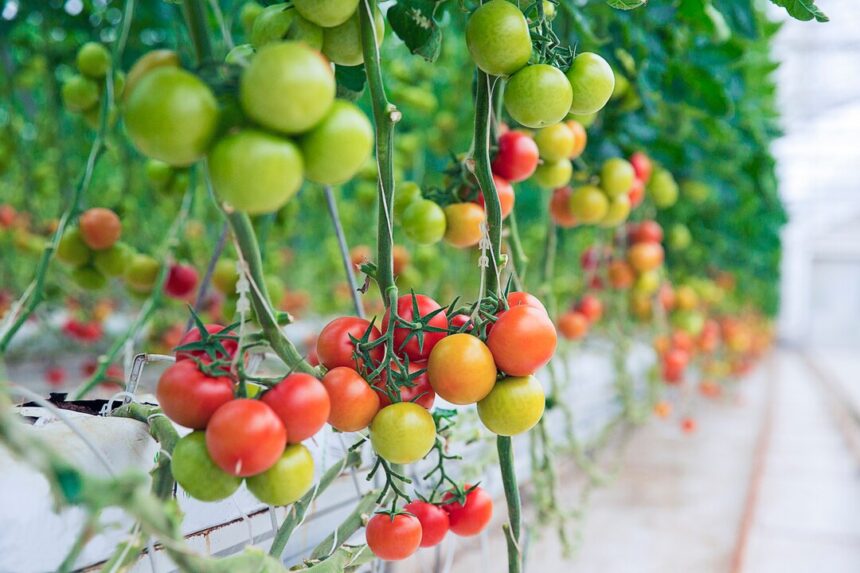
Tomatoes are one of South Africa’s most popular vegetables, consumed fresh, cooked, or processed into sauces and pastes. Organic tomato farming is gaining traction due to growing consumer demand for chemical-free, sustainably produced food. Unlike conventional tomato farming, organic production avoids synthetic fertilizers and pesticides, relying on natural inputs to promote plant health and soil fertility. Understanding the principles, methods, and challenges of organic tomato farming is essential for farmers seeking to enter this market or improve their current practices.
Benefits of Organic Tomato Farming
Organic tomato farming offers multiple advantages. Organic tomatoes are free from synthetic chemicals, appealing to health-conscious consumers. They can command higher market prices, providing better income potential for farmers. Organic farming practices also improve soil health over time by increasing organic matter, enhancing water retention, and promoting beneficial microorganisms.
Environmental benefits include reduced pollution of water sources and decreased chemical runoff. Crop rotation and natural pest control methods used in organic systems also promote biodiversity on farms.
Soil Preparation and Fertility Management
Soil quality is critical for organic tomato production. Farmers should conduct soil tests to determine nutrient levels and pH. Organic fertilizers such as compost, manure, and green manure crops can supply necessary nutrients. Crop rotation helps prevent soil depletion and reduces the risk of pests and diseases. Mulching is recommended to conserve soil moisture, regulate temperature, and suppress weeds.
Pest and Disease Management
Organic tomato farming relies on integrated pest management (IPM) to control pests and diseases. Common tomato pests include aphids, whiteflies, and nematodes. Techniques such as introducing natural predators, using neem oil, and applying insecticidal soaps are effective in controlling infestations. Disease management involves selecting resistant varieties, maintaining proper spacing for airflow, and removing infected plants promptly. Crop rotation and organic soil amendments also reduce disease prevalence.
Variety Selection
Choosing the right tomato variety is key to success. Some varieties are more resistant to pests and diseases, while others are suited to South Africa’s climate and soil conditions. Heirloom varieties are popular in the organic market due to their taste and unique appearance, but hybrid varieties may offer higher yields and disease resistance.
Irrigation and Water Management
Organic tomatoes require consistent watering, especially during flowering and fruiting. Drip irrigation is recommended to minimize water wastage and reduce the risk of foliar diseases. Mulching further helps retain soil moisture and maintains a stable root environment.
Harvesting and Marketing
Tomatoes should be harvested when they reach the desired stage of ripeness to ensure the best flavor and shelf life. Organic farmers can market their produce through local farmers’ markets, organic food stores, and direct-to-consumer sales. Certification from recognized organic bodies can increase credibility and allow access to premium markets.
Challenges of Organic Tomato Farming
Organic tomato farming presents challenges. Yields may be lower compared to conventional systems due to the absence of synthetic fertilizers and chemicals. Pest and disease pressure can be higher, requiring careful management. Certification processes can be costly and time-consuming, but the potential market premiums often justify the investment.
Organic tomato farming in South Africa is a viable option for farmers willing to invest in sustainable practices. It offers health, environmental, and economic benefits but requires careful planning, soil management, and pest control. By adopting organic principles, selecting suitable varieties, and implementing efficient irrigation and marketing strategies, farmers can produce high-quality, chemical-free tomatoes that meet the growing demand for organic produce. Organic tomato farming is not only profitable but contributes to healthier soils, safer food, and a more sustainable agricultural sector.
Join 'Farmers Mag' WhatsApp Channel
Get the latest Farming news and tips delivered straight to your WhatsApp
CLICK HERE TO JOIN