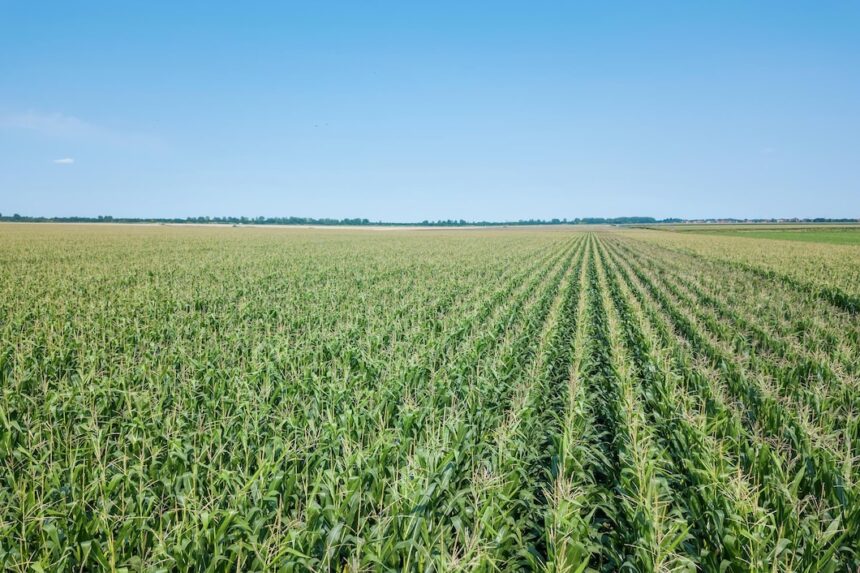
Increasing crop yield does not always require costly chemical fertilizers. South African farmers can boost production using smart soil management, crop selection, and sustainable farming practices. Focusing on natural inputs and efficiency improves yields while reducing costs.
Start by improving soil health. Healthy soil retains nutrients, supports root growth, and increases water efficiency. Incorporate organic matter such as compost, manure, or crop residues to enhance soil fertility. Regularly test soil to identify deficiencies and apply natural amendments like lime, bone meal, or wood ash when needed.
Crop rotation is a proven strategy to increase yield. Rotating crops prevents nutrient depletion, reduces pest pressure, and improves soil structure. Legumes such as beans or peas fix nitrogen, enriching the soil for subsequent crops. Alternating deep-rooted and shallow-rooted plants also improves aeration and nutrient availability.
Intercropping boosts productivity on the same land. Growing compatible crops together, such as maize with beans or spinach with carrots, maximizes space, reduces weeds, and improves overall yield. Intercropping can also decrease disease incidence by breaking pest cycles.
Mulching conserves moisture and improves soil fertility. Organic mulches like straw, leaves, or grass clippings protect soil from erosion, regulate temperature, and gradually decompose to provide nutrients. Mulching reduces the need for frequent watering and supports steady plant growth.
Use water efficiently. Drip irrigation, rainwater harvesting, or simple furrow irrigation ensures crops get adequate moisture without waste. Consistent watering prevents stress that can reduce yield and encourages strong, uniform growth.
Select high-yielding, locally adapted varieties. Seeds suited to your climate, soil type, and disease pressure will perform better than generic varieties. Certified seeds provide better germination rates and produce healthier plants, increasing overall productivity.
Finally, practice integrated pest and disease management. Healthy crops yield more, and preventing losses from pests or diseases is more cost-effective than reacting with chemicals. Use natural predators, crop rotation, and proper spacing to maintain plant health.
By focusing on soil health, strategic crop planning, efficient watering, and pest management, farmers can significantly increase crop yield without relying on expensive fertilizers. These methods improve sustainability, reduce costs, and maximize profits.
Join 'Farmers Mag' WhatsApp Channel
Get the latest Farming news and tips delivered straight to your WhatsApp
CLICK HERE TO JOIN