

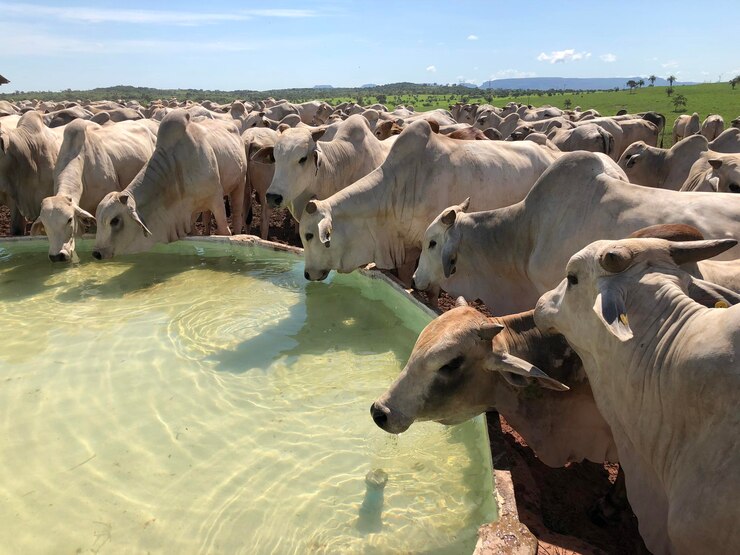
Water is one of the most critical resources in livestock production. Animals need it for digestion, temperature regulation, and general health. For farmers, reliable water systems are not only a necessity but also a way to cut costs and reduce waste. Choosing the right watering system and adopting water conservation strategies can improve productivity and sustainability.
Importance of Water for Livestock
Cattle, sheep, goats, and poultry all require water daily. The demand varies by species, age, weight, and climate. For example, a dairy cow can drink up to 100 liters per day in hot weather, while sheep may consume 4 to 10 liters. Lack of adequate water reduces feed intake, slows growth, and lowers milk or meat production. Poor water quality also affects animal performance, so clean, accessible water is non-negotiable.
Types of Watering Systems
Several watering systems are available, each with benefits and challenges.
- Troughs and Tanks
- Common on small and large farms.
- Can be concrete, plastic, or metal.
- Require regular cleaning to prevent algae and disease spread.
- Automatic float valves can regulate water levels and reduce labor.
- Automatic Waterers
- Provide continuous supply of clean water.
- Use sensors or float mechanisms to refill as animals drink.
- Save labor and prevent contamination compared to open tanks.
- Higher upfront cost but long-term efficiency.
- Piped Water Systems
- Deliver water directly from a well, borehole, or municipal source.
- Reduce manual transport of water.
- Can be combined with troughs or automatic drinkers.
- Rainwater Harvesting Systems
- Collect and store rainwater from rooftops or runoff.
- Useful in areas with seasonal rainfall.
- Reduce dependence on boreholes and dams.
- Solar-Powered Pumps
- Pump water from underground sources or rivers using solar energy.
- Ideal for remote areas without electricity.
- Lower long-term costs compared to fuel-driven pumps.
Water Conservation Practices
Efficient water use is critical in livestock farming, especially in regions facing drought. Farmers can adopt several conservation measures.
- Leak Detection and Repair
Regularly check troughs, tanks, and pipes for leaks. Even a small leak can waste thousands of liters over time. - Proper Placement of Water Points
Position water points strategically to avoid overgrazing around one area. Distribute them evenly across grazing land to reduce erosion and soil compaction. - Use of Nose Pumps
These allow animals to pump water themselves from streams or shallow wells. They reduce contamination of natural water sources and prevent wastage. - Rainwater Storage
Invest in tanks or reservoirs to capture seasonal rainfall. Stored water can supplement during dry months. - Shading Water Points
Cover tanks or troughs to reduce evaporation, especially in hot climates. - Rotational Grazing
Manage pastures by moving animals between paddocks. This reduces pressure on natural water points and keeps vegetation cover, improving water infiltration.
Benefits of Efficient Water Management
- Reduced operating costs from lower wastage.
- Improved animal health and productivity.
- Better resilience against drought and climate variability.
- Enhanced environmental protection by preventing overuse of rivers and groundwater.
Water is central to livestock production. Investing in efficient watering systems and adopting conservation practices ensures animals remain healthy, reduces costs, and safeguards natural resources. Farmers who prioritize water management secure both immediate productivity and long-term sustainability.
Join 'Farmers Mag' WhatsApp Channel
Get the latest Farming news and tips delivered straight to your WhatsApp
CLICK HERE TO JOIN




