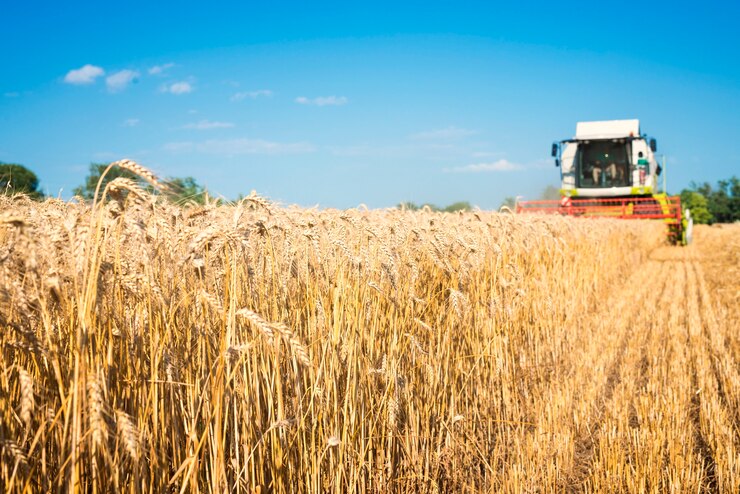
Maize and wheat are key staples in South Africa, influencing food security and agricultural income. Prices for these commodities fluctuate due to weather, production levels, global demand, and government policies. Farmers, traders, and consumers benefit from understanding price trends to make informed decisions.
Factors Affecting Maize Prices
Weather conditions are the primary factor in maize prices. Drought or excessive rainfall affects yields, creating supply shortages and driving prices up. Global maize markets also impact local prices, especially in years of import or export dependency. Input costs, such as fertilizer and fuel, influence production costs and pricing decisions. Government policies, including export restrictions or subsidies, can stabilize or push prices higher.
Factors Affecting Wheat Prices
Wheat prices in South Africa are sensitive to local production and global market trends. Poor harvests increase reliance on imports, which can raise prices. Exchange rates affect the cost of imported wheat. Demand from the milling industry, bakeries, and livestock feed also influences pricing. Storage conditions and transportation costs add another layer of impact.
Understanding Price Indicators
Commodity prices are reported on local exchanges such as the South African Futures Exchange (SAFEX). Prices are quoted per ton and reflect spot and futures contracts. Futures prices indicate market expectations for supply and demand, helping farmers and traders plan sales and purchases. Monitoring SAFEX prices provides insights into short-term and long-term trends.
Seasonal Trends
Maize and wheat prices often follow seasonal patterns. Prices may rise before harvest due to limited supply and drop after harvest when stock levels increase. Understanding seasonal cycles allows farmers to time sales for maximum returns and buyers to plan procurement efficiently.
Impact of Global Markets
Global maize and wheat prices affect South Africa, especially for exports and imports. Major producers like the United States, Brazil, and Russia influence global supply and demand. Exchange rate fluctuations also impact competitiveness in international markets. Farmers should monitor international price reports to anticipate changes in local pricing.
Strategies for Farmers and Traders
Farmers can use forward contracts or futures to lock in favorable prices and reduce risk. Diversifying crops and improving storage facilities helps mitigate the impact of price volatility. Traders can monitor supply-demand reports, weather forecasts, and government policy updates to make informed buying and selling decisions.
Understanding maize and wheat commodity prices in South Africa requires monitoring local production, seasonal trends, global markets, and government policies. Farmers, traders, and buyers who track these factors can optimize sales, manage risks, and make better financial decisions. Knowledge of price drivers ensures stability and profitability in the agricultural sector.
Join 'Farmers Mag' WhatsApp Channel
Get the latest Farming news and tips delivered straight to your WhatsApp
CLICK HERE TO JOIN