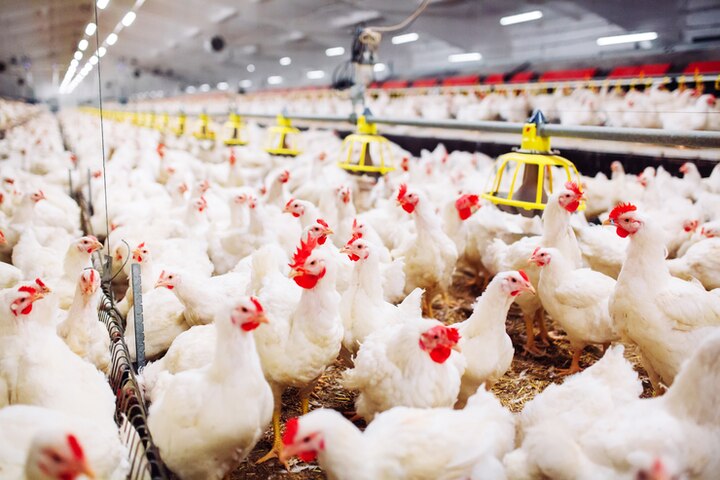
Avian flu, or bird flu, is a viral disease that affects domestic and wild birds. It can spread rapidly, causing high mortality and major financial losses. Farmers must implement strict biosecurity and management measures to prevent outbreaks.
Understanding Avian Flu
Avian influenza is caused by influenza type A viruses. Some strains are highly pathogenic, killing birds within days, while others cause mild symptoms. The disease spreads through direct contact with infected birds, contaminated equipment, feed, water, or clothing. Wild migratory birds are often carriers.
Signs of Avian Flu in Poultry
Early detection is key. Look for:
- Sudden death without prior symptoms
- Drop in egg production
- Swelling around the head, neck, or eyes
- Respiratory issues like coughing, sneezing, or nasal discharge
- Lethargy or loss of appetite
Biosecurity Measures
Biosecurity is the most effective way to prevent avian flu.
- Limit Farm Access: Restrict visitors and vehicles. Keep a log of anyone entering the farm.
- Quarantine New Birds: Isolate new or returning birds for at least 2 weeks before introducing them to the main flock.
- Control Wildlife and Pests: Prevent wild birds, rodents, and insects from accessing poultry housing.
- Disinfect Equipment and Facilities: Clean feeders, waterers, tools, and footwear regularly using approved disinfectants.
- Separate Age Groups: Keep young birds away from adults to reduce the spread of pathogens.
Hygiene Practices for Farm Workers
Farm workers play a major role in disease control.
- Wash hands with soap before and after handling birds.
- Wear dedicated clothing and footwear for poultry areas.
- Avoid moving between farms without proper sanitation.
- Use footbaths at entry points to poultry houses.
Vaccination and Health Management
Vaccination may be used in regions where avian flu is common. Consult local veterinary authorities for approved vaccines. Maintain overall bird health through proper nutrition, clean water, and regular health checks. Healthy birds resist infections better.
Monitoring and Reporting
Regular observation is essential. Report sudden deaths or unusual symptoms to veterinary authorities immediately. Early reporting helps prevent outbreaks from spreading to other farms.
Preventing Cross-Contamination
- Avoid sharing equipment between farms.
- Dispose of dead birds safely, following local regulations.
- Treat water sources to remove pathogens.
Preventing avian flu requires vigilance, strict biosecurity, and good farm management. By monitoring your flock, limiting contact with wild birds, and practicing hygiene, you protect your birds and your livelihood. Early detection and prompt action are critical to minimizing losses.
Join 'Farmers Mag' WhatsApp Channel
Get the latest Farming news and tips delivered straight to your WhatsApp
CLICK HERE TO JOIN