

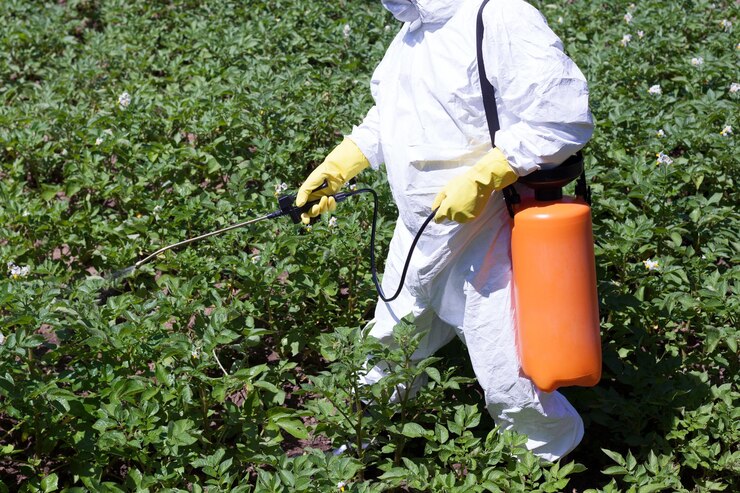
Integrated Pest Management (IPM) combines multiple strategies to control pests in crops effectively and sustainably. IPM reduces reliance on chemical pesticides, lowers costs, and protects the environment.
1. Monitoring and Identification
Regularly inspect crops to identify pests early. Use traps, field scouting, and visual checks. Correct identification of pests, diseases, and weeds allows targeted interventions and prevents unnecessary treatment.
2. Cultural Control
Modify farming practices to reduce pest prevalence. Rotate crops to disrupt pest life cycles. Use resistant crop varieties and adjust planting dates to avoid peak pest periods. Proper spacing and pruning improve air circulation, reducing fungal infections.
3. Mechanical and Physical Control
Use barriers, traps, and hand-picking to remove pests. Mulching and reflective materials can repel insects. Netting protects fruits and vegetables from birds and insects. Regular tilling exposes soil-dwelling pests to predators and sunlight.
4. Biological Control
Introduce natural predators, parasitoids, or beneficial microorganisms to control pests. Ladybugs, predatory mites, and nematodes target specific pests without harming crops. Encouraging pollinators and other beneficial insects maintains ecosystem balance.
5. Chemical Control as a Last Resort
Use pesticides selectively and only when other measures fail. Choose products with low toxicity and short environmental persistence. Apply targeted treatments to reduce impact on beneficial organisms and prevent resistance development.
6. Habitat Management
Maintain field margins, hedgerows, and cover crops to support natural enemies of pests. Diverse habitats provide shelter and food for predators, reducing pest populations naturally.
7. Record Keeping and Evaluation
Track pest occurrences, treatments, and outcomes. Analyzing this data helps refine strategies over time, ensuring interventions are effective and resources are used efficiently.
8. Education and Training
Farmers and workers should be trained to recognize pests, beneficial insects, and early signs of disease. Knowledgeable teams can implement IPM practices consistently, improving crop health and yield.
Integrated pest management reduces crop losses while maintaining environmental sustainability. Combining monitoring, cultural, biological, and selective chemical controls allows farmers to manage pests effectively across diverse crops. Regular evaluation and adaptation ensure long-term success and improved farm productivity.
Join 'Farmers Mag' WhatsApp Channel
Get the latest Farming news and tips delivered straight to your WhatsApp
CLICK HERE TO JOIN




