

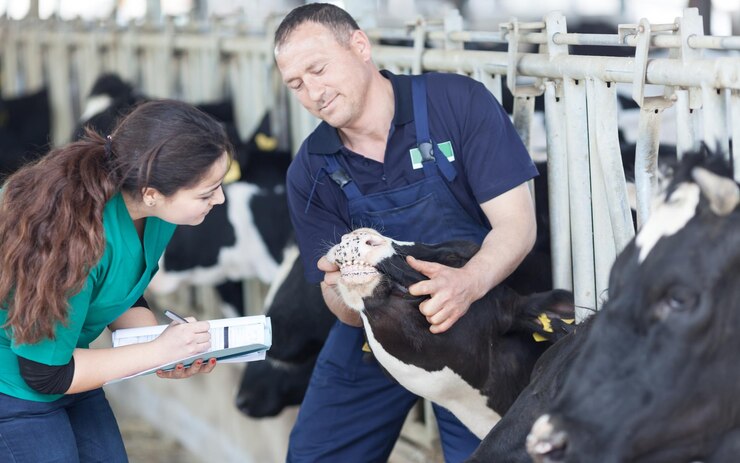
Foot-and-mouth disease (FMD) is a highly contagious viral disease that affects cloven-hoofed animals, including cattle, sheep, goats, and pigs. The disease spreads rapidly through direct contact with infected animals, contaminated equipment, vehicles, and even windborne virus particles. South Africa has experienced multiple outbreaks, which have significant economic and operational consequences for cattle farmers.
Impact on Cattle Health
FMD causes fever, blisters in the mouth and on the feet, excessive salivation, lameness, and reduced appetite. Infected cattle experience weight loss and decreased milk production. Severe outbreaks can lead to high mortality in young animals. Even recovered animals may suffer long-term productivity losses, reducing herd efficiency.
Economic Consequences
Outbreaks of FMD result in immediate financial losses for farmers. Quarantines and movement restrictions prevent the sale of animals and limit access to markets. Exports of beef and live cattle may be suspended, affecting income from both domestic and international sales. South African farmers can face losses of millions of rand during major outbreaks.
Operational Challenges
Farmers must implement strict biosecurity measures during outbreaks, including restricting access to farms, disinfecting equipment, and monitoring animal health closely. These measures increase labor and operational costs. Vaccination programs can reduce susceptibility, but they require careful planning and expenditure.
Impact on Trade and Market Access
South Africa’s beef exports are vulnerable to FMD outbreaks. Countries with strict FMD-free standards may ban imports, leading to a drop in export revenues. Farmers in affected regions may struggle to find buyers for their cattle domestically, further straining financial stability.
Government Response and Support
The Department of Agriculture, Land Reform and Rural Development enforces control measures, including movement restrictions, vaccination, and disease surveillance. Compensation programs exist for culled animals, but delays in payment can affect cash flow. Farmers are encouraged to report suspected cases immediately to prevent widespread outbreaks.
Preventive Strategies for Farmers
Farmers can reduce FMD risks by maintaining strong biosecurity practices, isolating new animals before introducing them to the herd, regularly vaccinating susceptible livestock, and monitoring for early signs of illness. Educating farmworkers on hygiene and disease prevention is essential to limit the spread.
Foot-and-mouth disease poses a serious threat to South African cattle farmers. It affects animal health, reduces productivity, disrupts trade, and imposes financial and operational challenges. Farmers who implement preventive strategies and adhere to government regulations can minimize losses and protect herd health while maintaining market access.
Join 'Farmers Mag' WhatsApp Channel
Get the latest Farming news and tips delivered straight to your WhatsApp
CLICK HERE TO JOIN




