Improving cattle weight gain starts with the right feeding plan. Proper nutrition boosts growth rates, shortens finishing time, and increases profit margins. For farmers aiming to raise healthy, market-ready cattle faster, here are feeding strategies that work.
1. Use High-Quality Forage
Forage is the foundation of any cattle diet. Invest in planting and managing high-quality pasture like lucerne, clover, ryegrass, or Napier grass. These forages have higher protein content and digestibility than low-grade grasses.
Key actions:
- Practice rotational grazing to prevent overgrazing.
- Cut and carry if land is limited.
- Fertilize and water to maintain quality.
- Harvest hay or silage for dry seasons.
2. Supplement with Concentrates
Concentrates are rich in energy and protein. They include maize, cottonseed cake, wheat bran, sunflower cake, and commercial feeds. These are especially important for finishing cattle or when pasture quality is low.
Guidelines:
- Introduce concentrates gradually to avoid digestive issues.
- Provide 1 to 2 percent of the animal’s body weight daily in concentrates.
- Monitor weight gain weekly and adjust feed accordingly.
3. Use Feed Additives Wisely
Feed additives such as minerals, vitamins, probiotics, and growth enhancers support faster weight gain and better feed conversion.
Common additives:
- Salt licks for minerals.
- Molasses to improve palatability and energy intake.
- Urea-treated straw to boost protein content in dry fodder.
- Yeast-based products for rumen health.
4. Ensure Clean Water Access
Water is vital for digestion and feed intake. Cattle without enough clean water will eat less and gain weight slowly.
Water tips:
- Provide at least 30 to 50 liters of clean water per day per animal.
- Clean troughs regularly to avoid contamination.
- Use shade near water points to reduce heat stress and improve intake.
5. Maintain a Consistent Feeding Schedule
Cattle thrive on routine. Feed them at the same times daily to reduce stress and encourage consistent intake. This helps rumen bacteria function effectively and promotes steady weight gain.
6. Group Cattle by Size or Age
Younger or smaller animals often struggle to compete with bigger ones for feed. Grouping them by size or age allows fair access to food and improves feed efficiency across the herd.
7. Monitor Body Condition Regularly
Weigh animals every two to three weeks. Use visual scoring if a scale is not available. Adjust the feeding plan if animals are not gaining as expected. Look for signs of parasites or illness, as they reduce feed efficiency.
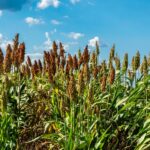
To maximize cattle weight gain, develop a balanced ration based on available resources and production goals. Start by testing your forage quality through a lab or extension service. Use the results to design a diet that meets protein and energy requirements for growth. If growing your own feed, prioritize high-yield crops like maize or sorghum for silage. Mix these with legumes like lucerne to raise protein levels. Work with a livestock nutritionist if possible. Invest in feed storage to avoid spoilage and feed wastage. During dry seasons or drought, plan early and buy feed in advance. Create a budget for feed and stick to it. Avoid overfeeding concentrates, which can lead to acidosis or bloat. Lastly, track average daily weight gain. Aim for 0.8 to 1.2 kilograms per day in growing cattle under good conditions. If your herd falls below this, review feed quality, water availability, parasite control, and overall herd health. Efficient feeding, backed by regular monitoring and management, leads to faster weight gain, better animal health, and higher profits at market.
Join 'Farmers Mag' WhatsApp Channel
Get the latest Farming news and tips delivered straight to your WhatsApp
CLICK HERE TO JOIN