

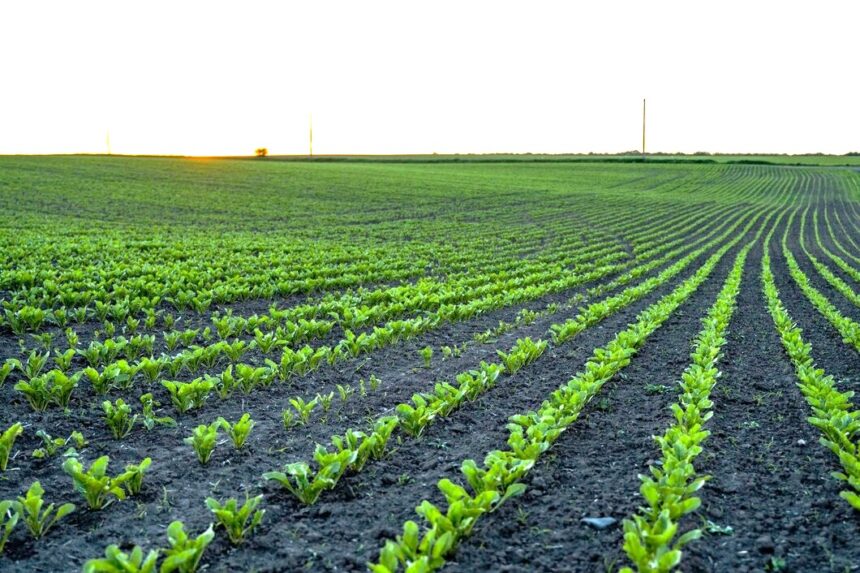
Successful crop farming is more than just planting seeds and waiting for harvest—it requires planning, knowledge, and constant adaptation. Many farmers, both new and experienced, often fall into habits or overlook essential practices that can cost them time, money, and yields. Avoiding these common mistakes can significantly improve productivity and ensure long-term farm sustainability.
One of the most frequent mistakes in crop farming is poor soil preparation. Skipping or rushing this critical step often leads to compacted soil, poor drainage, and reduced root growth. It’s essential to conduct soil tests to understand pH levels and nutrient content before planting. Amending the soil based on test results ensures crops have the right conditions to thrive. Ignoring soil health eventually leads to lower yields and increased input costs.
Another costly error is failing to rotate crops. Planting the same crop on the same land year after year depletes specific nutrients and increases the risk of pest and disease buildup. Crop rotation helps break pest cycles, improves soil fertility, and can even boost overall yields. Farmers who rotate maize with legumes, for example, benefit from natural nitrogen fixation and improved soil structure.
Over or under-watering crops is another common issue. Many farmers rely on guesswork instead of proper irrigation scheduling. Over-irrigation can lead to waterlogging, root rot, and nutrient leaching, while under-irrigation causes stunted growth and lower production. Installing soil moisture sensors or following climate-based irrigation guides can help achieve the right balance.
Using low-quality or untreated seeds is also a widespread mistake. Investing in certified, disease-resistant seed varieties may seem costly initially but pays off in better germination rates, uniform crop stands, and reduced susceptibility to pests and diseases. Saving seeds from a previous harvest without proper treatment can introduce harmful pathogens and reduce yields.
Misusing fertilizers and pesticides is another critical mistake. Applying the wrong type or incorrect amounts can harm the soil, burn plants, or lead to chemical resistance in pests. It’s essential to follow manufacturer guidelines and consult with agricultural extension officers when in doubt. Integrated pest management (IPM) strategies, which combine biological, cultural, and chemical methods, can also reduce pesticide dependency and promote a healthier farming environment.
Poor timing in planting and harvesting can significantly impact crop success. Planting too early or too late in the season exposes crops to unfavorable weather conditions or pest outbreaks. Similarly, harvesting too soon reduces yield quality, while waiting too long can result in losses due to spoilage or weather damage. Following a seasonal planting calendar and monitoring crop maturity helps farmers make informed decisions.
Neglecting farm records is another oversight that can hinder progress. Keeping detailed records of planting dates, inputs used, weather patterns, and yields allows farmers to identify what works and make improvements each season. Without data, it’s nearly impossible to measure success or diagnose problems effectively.
Lastly, underestimating the impact of weeds can severely reduce crop yields. Weeds compete for water, nutrients, and sunlight, often outgrowing and choking young crops. A lack of timely weeding or relying solely on herbicides can lead to resistance and greater problems in future seasons. Regular manual weeding, mulching, and crop spacing are practical, effective solutions.
Avoiding these common mistakes is key to improving farm productivity and profitability. With careful planning, continuous learning, and the right techniques, farmers can make the most of every growing season and build a more resilient and successful agricultural business.
Join 'Farmers Mag' WhatsApp Channel
Get the latest Farming news and tips delivered straight to your WhatsApp
CLICK HERE TO JOIN




