
In South Africa, taxation plays a crucial role in shaping the agricultural economy. Farmers, agri-businesses, and market sellers must navigate a range of tax obligations, particularly Value-Added Tax (VAT), which can significantly impact the sale of farm produce. Understanding how these tax regulations apply is essential for compliance, profitability, and long-term sustainability.
What is VAT and How Does It Apply to Agriculture?
Value-Added Tax (VAT) is a consumption tax levied on the value added to goods and services at each stage of production and distribution. In South Africa, the standard VAT rate is currently 15%. However, the agricultural sector benefits from several VAT exemptions and zero-rated supplies to promote food security and affordability.
When it comes to farm produce, the distinction between taxable, zero-rated, and exempt items is critical.
VAT Categories for Farm Produce
1. Zero-Rated Farm Produce
Zero-rated items are taxable at 0%, meaning no VAT is charged on the sale, but the seller can still claim input VAT on expenses. Common zero-rated agricultural products include:
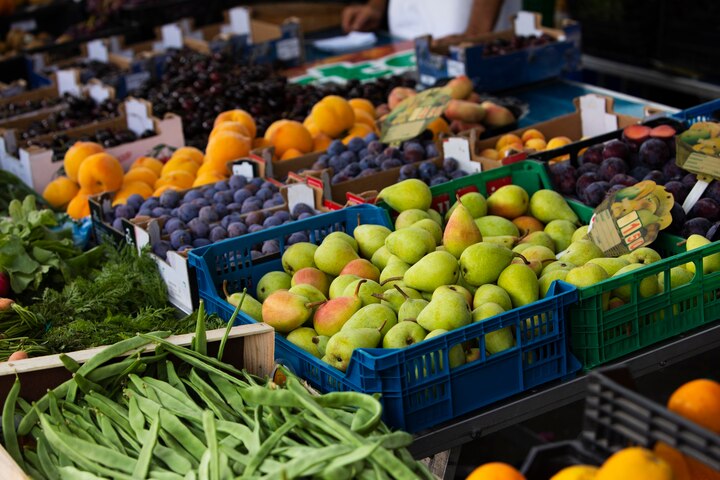
- Fresh vegetables and fruit
- Unprocessed maize meal and brown bread
- Eggs, milk, and dried legumes
- Vegetable oil and rice
This classification helps reduce the cost of essential food items for consumers while allowing producers to recover VAT on operational costs like fertiliser, fuel, and machinery.
2. VAT-Exempt Items
VAT-exempt goods and services are not taxed, and sellers cannot claim input VAT on related expenses. While most primary agricultural goods fall under the zero-rated category, some services linked to agriculture—like the rental of residential property for farmworkers—may be exempt.
3. Standard-Rated Items
Processed or packaged food products often attract the standard 15% VAT rate. This includes:
- Canned fruits and vegetables
- Flavoured milk or yoghurt
- Farm-branded processed meats and baked goods
Farmers who engage in value-added production must register for VAT if their annual turnover exceeds R1 million. Voluntary registration is also allowed for those earning above R50,000 per year, which helps smaller farms benefit from input tax deductions.
Income Tax Obligations for Farmers
Beyond VAT, farmers must comply with income tax regulations. Agricultural income is treated like any other business income under South African Revenue Service (SARS) guidelines. This includes:
- Revenue from crop and livestock sales
- Rental income from farm property
- Government subsidies or grants
Farmers are allowed to deduct expenses such as seed, feed, wages, and maintenance. However, accurate record-keeping is essential to avoid penalties during audits.
Provisional Tax and Record-Keeping
Many farmers operate seasonal businesses, which makes provisional tax payments important. Provisional tax is paid in two or more instalments during the tax year based on estimated income. This system helps align tax payments with cash flow, particularly for large-scale producers.
To remain compliant:
- Keep detailed records of all income and expenses
- Maintain VAT invoices and receipts
- Reconcile stock and input purchases regularly
- File returns on time (bi-monthly VAT201 and annual income tax)
The Role of Tax Advisers and Co-ops
Given the complexity of agricultural tax, many farmers benefit from working with accountants or agricultural cooperatives that offer tax support. These professionals help farmers understand new SARS regulations, prepare documentation, and identify legitimate deductions to reduce tax liability.
Tax Relief and Incentives for Farmers
The government offers certain tax incentives aimed at supporting agriculture. These include:
- Accelerated depreciation for farming equipment
- Rebates for diesel used in agricultural machinery
- Deductions for soil conservation and fencing
These incentives are designed to lower operational costs and encourage investment in modern, sustainable farming practices.
VAT and tax regulations play a major role in the profitability of farm produce sales in South Africa. By understanding which products are zero-rated, exempt, or standard-rated—and by staying compliant with income and provisional tax requirements—farmers can avoid penalties and make better financial decisions. As the agricultural landscape continues to evolve, staying informed and seeking professional advice remains essential for navigating the complexities of tax in farming.
Join 'Farmers Mag' WhatsApp Channel
Get the latest Farming news and tips delivered straight to your WhatsApp
CLICK HERE TO JOIN