

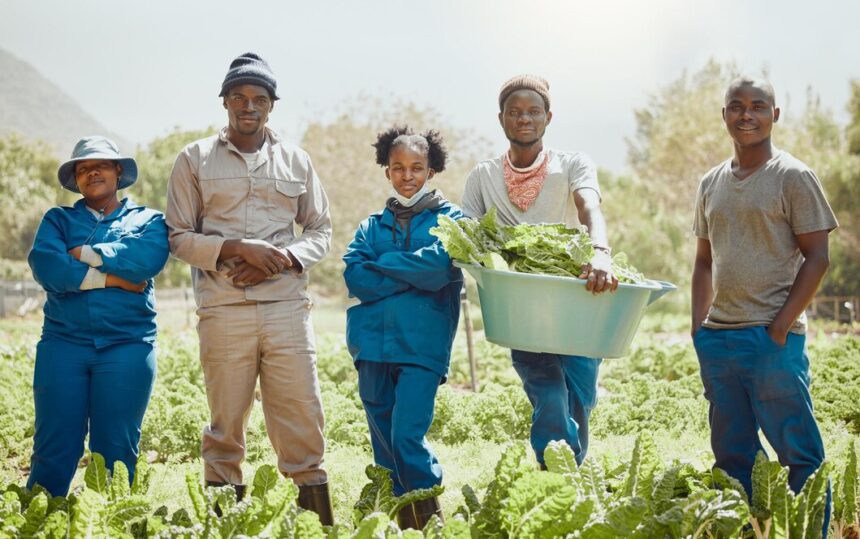
As global food security becomes increasingly important and the average age of farmers continues to rise, the issue of land access for young farmers has taken center stage. Around the world, from Africa to Europe, many young aspiring agriculturalists face the same fundamental challenge—how to secure and afford land to farm. In response to this growing concern, governments, non-profit organizations, and private sector partners are introducing land access programs designed to equip young people with the resources they need to succeed in agriculture.
Land is the foundation of any agricultural activity, but for many young people, especially those in rural areas, it remains one of the hardest assets to obtain. Rising land prices, limited inheritance, and lack of financial support often make it nearly impossible for youth to acquire farmland. Without access to land, young farmers are unable to start or expand operations, invest in long-term projects, or build stable livelihoods in agriculture. According to the Food and Agriculture Organization (FAO), nearly 60% of the global agricultural workforce is over the age of 40. With youth populations growing rapidly, particularly in Sub-Saharan Africa, empowering young farmers with access to land is not just a developmental goal—it’s a vital strategy for food security, rural employment, and economic resilience.
Across the world, different land access initiatives are being introduced to help young people enter and stay in farming. In Kenya, Nigeria, and Ghana, government-backed programs are enabling youth to lease idle public land or participate in agribusiness support schemes that include land acquisition components. These initiatives are often paired with financial support and training. In Nigeria, for example, the NIRSAL program helps young farmers access both land and credit, encouraging agricultural entrepreneurship.
In more developed regions such as Canada and parts of Europe, farm succession and land matching services are gaining popularity. These platforms connect retiring farmers with land-seeking youth, enabling knowledge transfer and long-term access through lease-to-own arrangements or joint ventures. In the Philippines and India, governments are prioritizing youth in land redistribution and long-term public land leasing efforts as part of broader agrarian reform policies. These programs aim to increase food production while offering young people stable land tenure.
Another emerging model is the use of Community Land Trusts (CLTs), particularly in the United States and the United Kingdom. These trusts purchase and manage land, leasing it to young farmers at affordable rates, often with ecological and community-based agriculture in mind. By separating land ownership from farming operations, CLTs help secure land for agriculture while shielding it from real estate speculation.
Despite these efforts, significant barriers remain. Many young farmers still struggle with lack of startup capital, limited financial services, and unclear or insecure land tenure systems. Rapid urban expansion also poses a threat, as farmland near cities is increasingly repurposed for housing and commercial development. To effectively support young farmers, land access initiatives must be part of broader strategies that also address financing, training, infrastructure, and rural development.
For these programs to succeed, they need to provide not only access to land but also long-term stability, mentorship, and support systems that promote sustainable farming practices. Secure land tenure, youth-targeted financial products, investment in rural infrastructure, and strong legal frameworks are all essential to helping young people thrive in agriculture.
Investing in land access for young farmers is an investment in the future of farming. By creating clear and supported pathways to land ownership or long-term leases, societies can ensure that agriculture remains dynamic, innovative, and sustainable. With the right support, the next generation of farmers can lead the way in building resilient food systems and stronger rural economies.
Join 'Farmers Mag' WhatsApp Channel
Get the latest Farming news and tips delivered straight to your WhatsApp
CLICK HERE TO JOIN




