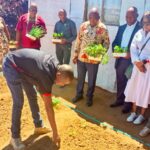


KwaZulu-Natal (KZN) is one of South Africa’s most agriculturally rich provinces, offering a warm, subtropical climate, fertile soils, and year-round rainfall in many areas. These natural advantages make it an ideal place for growing vegetables, whether for home consumption, income generation, or community projects. For beginners looking to start a vegetable garden or small-scale farm, understanding the local conditions, seasonal planting, and best practices is key to success.
Starting a vegetable garden in KZN begins with choosing the right location. Vegetables need plenty of sunlight—at least 6 hours a day—so select a spot that receives adequate exposure. Access to clean water is also crucial, especially during dry spells or in regions with less predictable rainfall. While most parts of KwaZulu-Natal have good natural soils, enriching the soil with compost, manure, or organic matter helps increase fertility and improve drainage.
Soil preparation is the foundation of a healthy vegetable garden. Start by clearing weeds and debris, then dig the soil to a depth of about 30cm. Mix in compost or well-rotted manure to improve texture and nutrient levels. In areas where soil quality is poor, raised beds or container gardening can be effective alternatives, especially in urban settings or where space is limited.
KwaZulu-Natal’s climate allows for a wide variety of vegetables to be grown throughout the year, but understanding the best planting times can boost yields. Summer crops such as tomatoes, green beans, maize, cucumbers, and pumpkins thrive from September to March. In cooler months, from April to August, focus on winter vegetables like spinach, cabbage, carrots, beetroot, onions, and peas. Stagger planting dates to ensure a continuous harvest and avoid gluts.
One of the most important steps for beginners is selecting the right vegetables. Start with easy-to-grow crops such as lettuce, spinach, tomatoes, green beans, and carrots. These require minimal maintenance and provide quick returns. Use certified seeds or seedlings from trusted suppliers to reduce the risk of disease and improve germination rates. Indigenous or locally adapted varieties often perform better in KZN’s climate and are more resistant to pests and diseases.
Watering is critical, especially during dry periods. It’s best to water early in the morning or late in the afternoon to minimize evaporation. Overwatering can lead to root rot and other problems, so aim for a balance—moist but not soggy soil is ideal. Mulching with grass cuttings, straw, or leaves helps retain moisture, suppress weeds, and improve soil health over time.
Pest and disease management can be a challenge, particularly in warm, humid regions like KwaZulu-Natal. Monitor your garden regularly and remove any affected plants immediately. Natural solutions such as neem oil, garlic spray, or introducing beneficial insects like ladybirds can help control pests organically. Practice crop rotation and companion planting to maintain soil health and reduce disease build-up.
Harvesting at the right time ensures better taste and nutritional value. Regular harvesting also encourages plants like beans, spinach, and tomatoes to produce more. Don’t wait too long—vegetables like lettuce and spinach can become bitter or tough if left too long in the ground.
As your confidence grows, consider expanding your garden to include herbs, fruit trees, or more high-value crops like peppers or brinjals. Small-scale vegetable farming can also be a source of income. Local markets, roadside stalls, and farm-to-table initiatives in KwaZulu-Natal are increasingly open to fresh, locally grown produce.
Growing vegetables in KwaZulu-Natal is both rewarding and achievable, even for complete beginners. With a little effort, knowledge, and consistency, your garden can become a reliable source of fresh food and personal satisfaction. Whether in a rural homestead, township yard, or urban backyard, vegetable gardening empowers individuals, strengthens food security, and brings communities closer to nature.
Join 'Farmers Mag' WhatsApp Channel
Get the latest Farming news and tips delivered straight to your WhatsApp
CLICK HERE TO JOIN