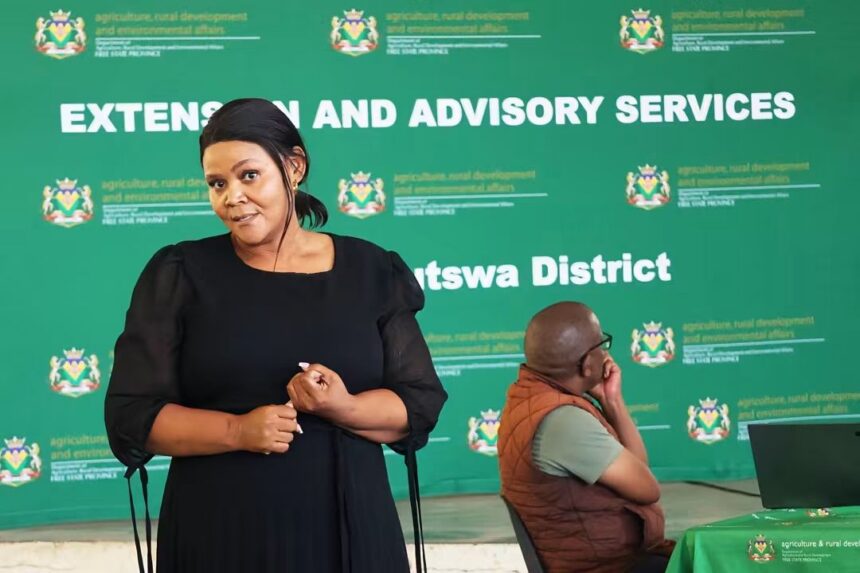
Effective agricultural extension services depend on knowledgeable, well-prepared employees who can provide farmers with the support and guidance they need. Agricultural Assistants play an important role in connecting government agricultural programmes with farming communities, helping improve access to information and strengthening agricultural service delivery. Recognising the importance of preparing employees for these responsibilities, Extension and Advisory Services continued with a two-day Summit and Induction Session for newly appointed Agricultural Assistants responsible for the Lejweleputswa District. The programme focuses on equipping employees with essential knowledge about their workplace responsibilities, departmental procedures and public service standards. This initiative forms part of efforts to build a capable agricultural workforce that can contribute to improved support for farmers across the district.
The two-day summit provides newly appointed Agricultural Assistants with an opportunity to understand their roles and the expectations associated with working in the public service. Beyond their agricultural responsibilities, employees need to understand the policies, regulations and administrative processes that guide their daily activities. These include workplace conduct, occupational health and safety, employee relations and financial procedures. Understanding these requirements helps employees carry out their duties responsibly and maintain the standards expected of government officials. A well-informed workforce is important for ensuring that agricultural programmes are implemented effectively and that farmers receive professional and reliable services.
Human Resource Management personnel delivered a series of presentations covering important aspects of employee development, workplace compliance and administrative responsibilities. Ms Nthabiseng Moloi presented on general matters, including the monitoring of staff and service conditions. Her presentation addressed important workplace requirements and the need for employees to understand their conditions of service and responsibilities. This information helps establish a clear understanding of workplace expectations and promotes accountability among newly appointed staff. Understanding these requirements also provides employees with a foundation for performing their duties within the department’s established structures.
Workplace safety was another important subject covered during the induction programme. Mr Tsokolo Mamome presented on Injury on Duty and Occupational Health and Safety, highlighting the importance of understanding workplace safety requirements and the procedures associated with occupational injuries. Agricultural Assistants may undertake duties that involve field visits and engagement with farming operations, making awareness of potential workplace risks essential. Knowledge of occupational health and safety procedures helps employees understand their responsibilities in maintaining safe working conditions. It also equips them with information on how workplace injuries should be handled and reported. Protecting employees is important for maintaining a functional workforce capable of supporting agricultural activities.
Employee wellness also featured in the programme, with Ms Puleng Direko presenting on Employee Health and Wellness. The session highlighted an important aspect of creating a productive and supportive working environment. Employees need to understand the wellness support available to them and the importance of maintaining their physical and mental well-being. A healthy and supported workforce is better positioned to manage workplace responsibilities and maintain positive working relationships. Including employee wellness in the induction programme also helps new employees become aware of the importance of seeking appropriate support when facing personal or work-related challenges.
Financial compliance and responsible management of government resources were addressed by Ms Madingane Mokoena, who presented on Subsistence and Travelling Expenditure. This topic is particularly relevant to Agricultural Assistants whose responsibilities may require them to travel when carrying out official duties. Understanding the applicable procedures for official travel and subsistence expenditure is essential for ensuring proper financial administration. Employees need to familiarise themselves with the requirements governing travel claims, approvals and supporting documentation. Following these procedures promotes transparency, accountability and responsible use of public funds. It also helps employees understand their financial responsibilities when undertaking departmental assignments.
Mr Lebohang Kgolwanyane presented on Employee Relations, focusing on an important area of workplace management and professional conduct. Positive employee relations contribute to an environment where communication, mutual respect and accountability are encouraged. Newly appointed employees need to understand the procedures and policies that guide relationships between employees and management. This knowledge helps them address workplace concerns through appropriate channels and maintain professional relationships with colleagues and supervisors. Strong workplace relationships are important for promoting teamwork and supporting the effective implementation of departmental responsibilities.
The importance of putting people first in government service delivery was addressed by Mr Segoane Sekobile, who presented on the Batho Pele Principles. Batho Pele, meaning “People First”, provides a framework for improving public service delivery and ensuring that citizens remain at the centre of government services. These principles encourage public servants to provide services with professionalism, accountability, transparency and respect. For Agricultural Assistants, understanding Batho Pele is particularly important because their responsibilities involve engaging with farmers and agricultural communities. Farmers need accessible, respectful and responsive support when seeking assistance from government institutions. Applying these principles can help strengthen relationships between agricultural officials and the communities they serve.
The induction programme is important for agricultural development because Agricultural Assistants contribute to the delivery of services within farming communities. Their work forms part of the broader extension and advisory services system, which connects farmers with agricultural information, technical guidance and government support. Understanding departmental procedures and service delivery expectations helps employees prepare for these responsibilities. It also reinforces the importance of professionalism when interacting with farmers and other agricultural stakeholders. Effective communication and responsible service delivery can help strengthen the relationship between government and the farming sector.
Preparing newly appointed Agricultural Assistants also contributes to building stronger agricultural extension services in the Lejweleputswa District. Farmers depend on accessible government support to navigate agricultural challenges and make informed decisions about their farming operations. Employees who understand their responsibilities and the standards expected of them are better prepared to contribute to departmental programmes and service delivery activities. The induction programme provides a foundation for employees to understand how their roles fit into the department’s broader agricultural development mandate. Continued professional development and institutional support will remain important in helping them fulfil these responsibilities.
The two-day Summit and Induction Session demonstrates the importance of investing in employees who are responsible for supporting agricultural development at community level. Through presentations on workplace conditions, occupational health and safety, employee wellness, financial procedures, employee relations and Batho Pele principles, newly appointed Agricultural Assistants are gaining essential knowledge about public service requirements. These areas contribute to building a responsible, informed and service-oriented workforce. As the employees prepare to undertake their duties in the Lejweleputswa District, the knowledge gained during the programme will provide an important foundation for their professional responsibilities. Strengthening the capacity of agricultural personnel is an important step towards improving extension and advisory services and ensuring that farmers receive effective support from government.
Join 'Farmers Mag' WhatsApp Channel
Get the latest Farming news and tips delivered straight to your WhatsApp
CLICK HERE TO JOIN