The Mpumalanga International FoodMarket (MIF), in partnership with the Mpumalanga Department of Agriculture, Rural Development, Land and Environmental Affairs (DARDLEA), has launched a series of district roadshows to prepare farmers and communities for the market’s planned start of operations. The roadshows, which began on Monday, are taking place across different districts to introduce stakeholders to the new facility and explain the opportunities it is expected to offer. The initiative aims to connect farmers, agricultural entrepreneurs and local communities with information about the market ahead of its anticipated trading launch next week. Through direct engagement with farmers and market officials, the programme provides an opportunity to ask questions, clarify operational arrangements and understand how the facility may support agricultural businesses. The roadshows also mark an important step in preparing the province’s agricultural sector for a new platform focused on fresh produce trading and wider market access.
The roadshows have attracted strong interest from farmers and community stakeholders eager to understand how the Mpumalanga International FoodMarket will operate. In Nkomazi, the Mzinti Training Centre hall was packed to capacity as participants gathered despite the hot weather to take part in the engagement. The turnout reflected the interest surrounding the planned launch and the potential opportunities the market could create for agricultural producers in the province. Farmers need clear information about market requirements, trading arrangements and the processes involved in supplying fresh produce to larger buyers. By bringing officials and market representatives directly to local communities, the roadshows create space for these discussions before trading begins.
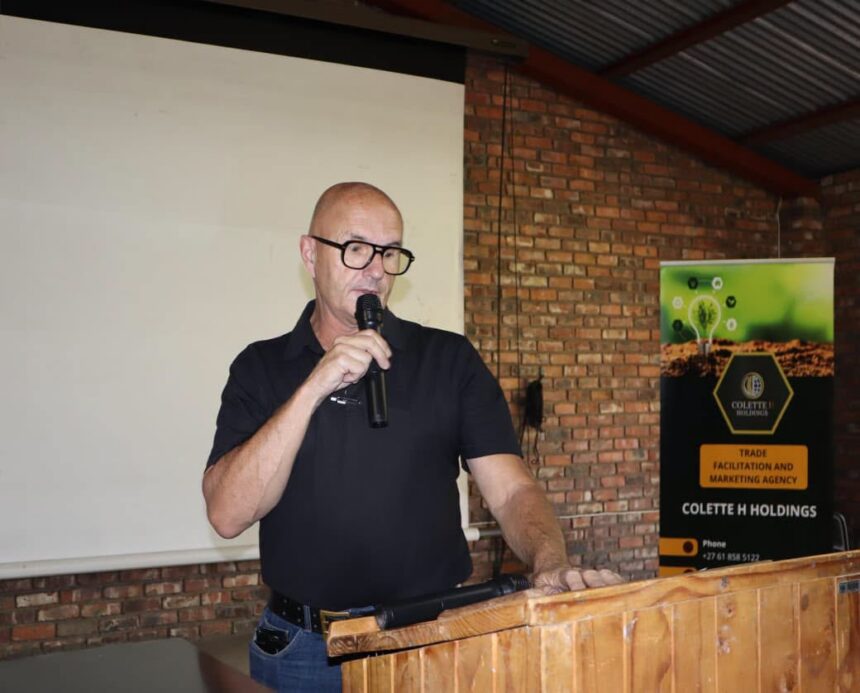
Day three of the district roadshows focused on engaging farmers in the Gert Sibande District at Nooitgedacht Research Farm. The DARDLEA and MIF teams met with farmers and other agricultural stakeholders to explain the purpose of the market and prepare them for its planned opening. The engagement followed similar activities in Mkhuhlu and Mzinti during the preceding two days. These visits form part of a broader effort to reach farmers across different parts of Mpumalanga rather than relying on a single central information session. Taking the roadshows to multiple districts allows agricultural producers to engage with officials closer to their own communities and raise questions relevant to their farming operations.
The engagement in Ermelo also drew a strong turnout, with local farmers, agricultural entrepreneurs and community stakeholders participating in discussions with officials and market agents. Participants asked questions to clarify how the market would operate and what its establishment could mean for their businesses. These discussions are important because farmers need to understand the practical requirements of supplying produce to a formal trading facility. Issues such as product quality, handling, storage, transport and reliable supply can influence a farmer’s ability to serve larger markets. Direct engagement with market representatives gives participants an opportunity to seek information before making decisions about how they may use the new facility.
The Mpumalanga International FoodMarket is being developed as a major fresh produce trading facility designed to improve connections between agricultural producers and buyers. The facility is described as the first major fresh produce market built in South Africa in 50 years. It features 17 specialised buildings that include trading halls, cold storage facilities, ripening rooms and dedicated sections for meat, fish and flowers. These facilities are intended to support the handling and trading of different agricultural products within a dedicated market environment. The range of infrastructure reflects the market’s planned role in accommodating various products and supporting activities across the agricultural supply chain.
Cold storage and appropriate produce handling are important components of fresh produce marketing because many agricultural products deteriorate quickly after harvesting. Facilities that support suitable storage conditions can help maintain product quality while produce moves through the market. Ripening rooms can also support the controlled ripening of certain products, helping traders manage their readiness for sale. Dedicated trading areas for different product categories can assist with organising market activities and handling the needs of various buyers and sellers. The actual benefits for individual farmers will depend on how the facilities operate, the services available to them and the conditions under which they can access the market.
One of the central aims of the Mpumalanga International FoodMarket is to connect emerging and commercial farmers directly with buyers at provincial, national and international levels. Access to reliable markets is an important consideration for farmers who need to sell their produce at the right time and manage the costs of production. For emerging farmers in particular, reaching larger buyers can be challenging when they have limited access to established trading networks or suitable distribution channels. A dedicated market facility could create additional opportunities for producers to present their goods to buyers and explore new commercial relationships. However, the extent of these opportunities will depend on market demand, product standards, pricing arrangements and the practical requirements for participating in trade.
The roadshows organised by DARDLEA and the MIF team are therefore an important part of preparing farmers for the facility’s planned operations. Infrastructure alone cannot guarantee successful participation, as farmers also need information about how to meet buyer expectations and organise their supply. Engagement sessions can help explain the market’s intended role while allowing producers to raise concerns about access, logistics and the trading process. They can also help market officials understand the needs of farmers operating at different scales, from smaller emerging producers to established commercial enterprises. This exchange of information can support better preparation as stakeholders consider how the facility may fit into their existing farming and marketing activities.
Agricultural entrepreneurs and other community stakeholders also have an interest in the development of a major fresh produce market. A facility of this nature may create opportunities for businesses involved in transport, packaging, storage, produce handling and other services linked to agricultural trade. Better connections between producers and buyers can also support activity across the broader food supply chain. At the same time, businesses will need clear information about operating requirements, service opportunities and the commercial arrangements that apply. Continued engagement between the market, government and the private sector will be important in helping stakeholders understand how they can participate as operations begin.
The collaboration between the Mpumalanga International FoodMarket and DARDLEA highlights the importance of preparing agricultural communities for changes in market infrastructure. The department’s involvement in the roadshows provides a channel for communicating with farmers and connecting them with information about the planned facility. The participation of market agents is also valuable because they can help address questions about trading and the relationship between suppliers and buyers. By engaging with communities in Nkomazi, Mkhuhlu and the Gert Sibande District, the teams are extending their outreach across different agricultural areas. This approach recognises that successful market participation depends not only on the availability of infrastructure but also on farmers understanding how to use it.
As the Mpumalanga International FoodMarket prepares for its planned trading launch next week, the district roadshows represent a key stage in building awareness and encouraging farmer participation. The strong attendance in Mzinti and Ermelo demonstrates the level of interest among local producers, agricultural entrepreneurs and community stakeholders. With 17 specialised buildings and facilities designed for different agricultural products, the market is intended to provide a dedicated platform for fresh produce trading and connections with wider markets. Its long-term contribution will depend on effective operations, clear trading arrangements and the ability of farmers to meet market requirements and reach buyers. Continued cooperation between DARDLEA, the market management team and agricultural communities will be essential to turning the facility’s potential into practical opportunities for Mpumalanga’s farmers and the province’s agricultural economy.
Join 'Farmers Mag' WhatsApp Channel
Get the latest Farming news and tips delivered straight to your WhatsApp
CLICK HERE TO JOIN