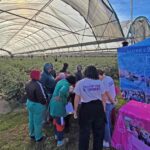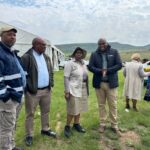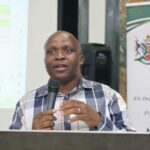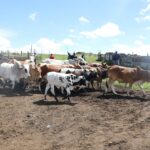

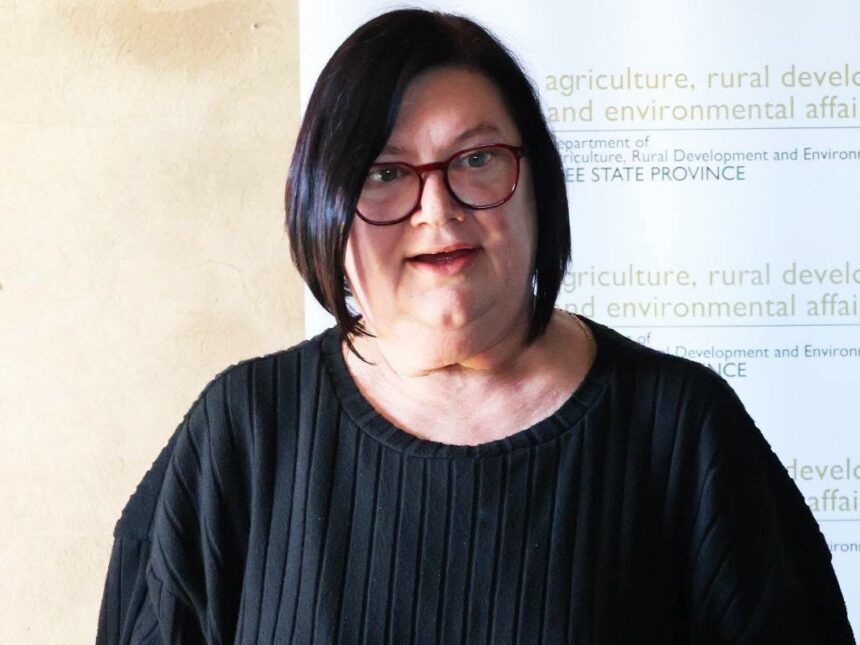
The Provincial Women in Agriculture Imbizo has kicked off at Bloemfontein City Hall in the Free State, bringing together women farmers and agricultural stakeholders to discuss opportunities, challenges and practical solutions for strengthening the province’s agricultural sector. Hosted by the Free State Department of Agriculture, Rural Development and Environmental Affairs, the two-day engagement focuses on empowering women to participate more effectively in farming, agribusiness and rural economic development. Held under the theme “The Breadbasket in Her Hands: Safe on the Land, Resourced to Produce, Skilled to Lead,” the imbizo highlights the essential role women play in food production and the development of rural communities. More than 350 women involved in livestock, horticulture, animal production, crop farming, poultry and commonage farming are expected to participate, representing women’s agricultural formations and structures from across the province. The event runs until Wednesday, 14 October, providing a platform for women farmers to exchange ideas, share experiences and explore ways to build stronger, more sustainable agricultural businesses.
The theme of the Provincial Women in Agriculture Imbizo reflects the importance of giving women farmers the resources, knowledge and opportunities they need to succeed. Access to land provides a foundation for agricultural production, but land alone does not guarantee a profitable farming enterprise. Farmers also need reliable water supplies, suitable equipment, quality inputs, technical support and access to markets where they can sell their products. Skills development and leadership opportunities are equally important because women must be able to participate in decisions that affect their farms, businesses and communities. By placing these issues at the centre of the discussions, the Free State Department of Agriculture, Rural Development and Environmental Affairs aims to support a more inclusive approach to agricultural development.
Market access is one of the key challenges facing women in agriculture, particularly smallholder and emerging farmers seeking to expand their operations. Producing quality crops, raising healthy livestock or supplying poultry products is only part of building a successful agricultural business. Farmers must also identify reliable buyers, understand market requirements, maintain consistent quality and negotiate prices that cover their production costs. Without suitable market connections, producers may struggle to sell their products at competitive prices or increase the scale of their operations. The imbizo provides an opportunity for women farmers to discuss these barriers, exchange experiences and explore ways to strengthen commercial relationships within the agricultural value chain.
Access to funding is another important issue for women who want to establish or grow farming enterprises. Agricultural production requires investment in land preparation, seed, fertiliser, livestock, feed, equipment, labour and transport. These expenses can place considerable pressure on farmers who have limited savings or difficulty securing loans. Smallholder and emerging women farmers may face additional barriers when seeking finance, including limited collateral, inadequate business records or unfamiliarity with funding requirements. Discussions about agricultural finance can help identify the types of support women need to improve their access to capital and manage their businesses more effectively.
Networking and collaboration are also central to the purpose of the Provincial Women in Agriculture Imbizo. Building relationships with other farmers, agricultural organisations, government officials and potential business partners can help women access useful information and identify opportunities for cooperation. Farmer networks can support the exchange of practical knowledge about production methods, livestock management, crop protection and farm administration. They can also help producers explore collective marketing, shared resources and opportunities to reach larger buyers. Stronger professional connections can reduce isolation among farmers and create a more supportive environment for women who are developing their agricultural businesses.
The participation of women from different agricultural subsectors adds important depth to the engagement. Livestock farmers face challenges involving animal health, breeding, grazing management, feed availability and access to suitable markets. Horticultural and crop producers must manage soil conditions, water availability, planting schedules, pests and changing weather patterns. Poultry farmers need to pay close attention to animal health, feed costs, production conditions and market demand, while women farming on commonages may face particular difficulties relating to access, infrastructure and shared resource management. Bringing these groups together creates an opportunity to compare experiences and identify solutions that reflect the different realities of farming across the Free State.
Food security is another major priority linked to the imbizo. Women contribute to food production through household farming, smallholder agriculture and commercial enterprises that supply local and wider markets. Their work helps provide food, generate income and support livelihoods in rural communities. Strengthening women’s access to agricultural resources can improve their ability to maintain production and respond to challenges such as drought, rising input costs and market disruptions. Support for women farmers can therefore contribute to broader efforts to improve food availability, strengthen rural economies and build a more resilient agricultural sector.
The event also connects agricultural development with wider rural development and environmental priorities. Sustainable farming depends on the responsible use of natural resources, including soil, water and grazing land. Farmers must increasingly consider how changing weather conditions, land degradation and pressure on water supplies affect their ability to produce food over the long term. Practical training in soil conservation, water management, climate-smart agriculture and responsible livestock production can help farmers protect their resources while improving productivity. Including environmental concerns in agricultural discussions is important because the long-term success of farming businesses depends on maintaining the natural resources that support production.
Developing women’s leadership in agriculture is equally important for the future of the sector. Women farmers possess practical knowledge and experience that can contribute to agricultural policy, business development and community planning. However, meaningful participation requires opportunities for women to influence decisions, lead organisations and take part in the structures that shape agricultural support programmes. Leadership development can help women strengthen their confidence, represent their interests and engage more effectively with institutions and industry stakeholders. The imbizo provides a space for these issues to receive attention while recognising women as producers, business owners and contributors to agricultural innovation.
The gathering also supports the broader objective of promoting inclusive economic growth in the Free State. When women farming enterprises become more productive and commercially sustainable, they can create employment, support local suppliers and contribute to economic activity in rural communities. Agricultural businesses can also provide opportunities for value addition through processing, packaging and other activities that increase the commercial value of farm products. Achieving these outcomes requires more than discussion, as farmers need practical access to resources, training, infrastructure and markets. Continued cooperation between government, financial institutions, agricultural organisations and farming communities will be important in turning the issues raised at the imbizo into meaningful progress.
As the two-day Provincial Women in Agriculture Imbizo continues at Bloemfontein City Hall, the focus remains on strengthening the position of women throughout the agricultural sector. The participation of more than 350 women farmers provides an important opportunity to share experiences and identify the support required across livestock, horticulture, crop production, poultry and commonage farming. The discussions on market access, funding, networking, skills development and environmental sustainability address issues that directly influence the success of agricultural enterprises. The long-term value of the engagement will depend on how effectively these discussions inform future programmes and practical support for women farmers. By helping women gain the resources, skills and connections they need to produce and lead, the Free State can strengthen its agricultural sector, support rural livelihoods and advance food security across the province.
Join 'Farmers Mag' WhatsApp Channel
Get the latest Farming news and tips delivered straight to your WhatsApp
CLICK HERE TO JOIN