
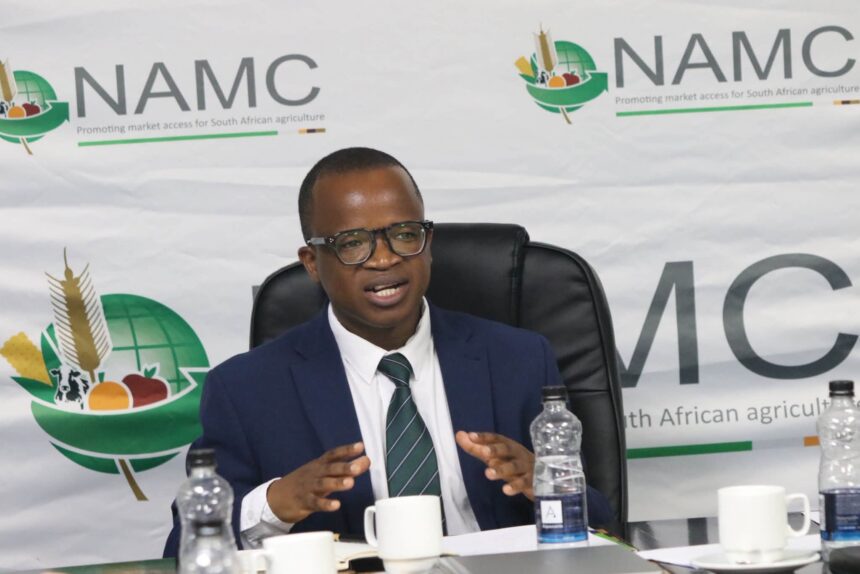
South Africa’s agricultural sector is preparing for the possibility of a strong El Niño event during the 2026/27 summer production season, raising concerns about drought, crop yields, livestock production and food security. Agricultural leaders, researchers, government representatives and industry stakeholders gathered on 12 October 2026 for a high-level roundtable convened by Wandile Sihlobo, Presidential Envoy on Agriculture and Land, with support from the National Agricultural Marketing Council (NAMC) and Bayer. The meeting assessed the country’s readiness for potentially drier and warmer conditions and explored practical measures to protect farmers and strengthen agricultural resilience. Although South Africa enters the season with encouraging dam levels, favourable grain stocks and improved farming technologies, these advantages do not eliminate the risks associated with prolonged dry weather. The discussions highlighted the need for early action, coordinated planning and targeted support, particularly for smallholder and emerging farmers who often have fewer resources to withstand severe weather-related losses.
El Niño is a climate phenomenon associated with warmer-than-average sea surface temperatures in the central and eastern tropical Pacific Ocean, which can influence weather patterns around the world. In southern Africa, El Niño events are often associated with increased drought risk and below-average rainfall, although the effects vary by location, season and the strength of the event. For South African farmers, the timing and distribution of rainfall can be just as important as the total amount received during a growing season. Delayed planting rains, long dry spells and high temperatures can affect crop establishment, soil moisture and yields. The roundtable considered forecasts pointing towards a strong El Niño event, with possible impacts emerging earlier than usual and drier, warmer conditions potentially affecting key summer rainfall areas, particularly during the latter part of the season.
The Free State, North West, Mpumalanga and Limpopo were identified as areas of particular concern because of their importance to summer crop production and livestock farming. These provinces support substantial agricultural activity, including the production of maize and other field crops, as well as cattle and other livestock enterprises. Reduced rainfall during critical stages of crop development can limit plant growth, reduce yields and increase the likelihood of crop failure. Farmers may also face difficult decisions about planting dates, crop choices, fertiliser application and the amount of land they can afford to cultivate. If dry conditions persist, the effects could extend beyond individual farms to affect grain availability, livestock feed supplies, agricultural employment and farm income.
The possibility of drought has renewed attention on the lessons South Africa learned during the severe 2015/16 El Niño drought. That period placed considerable pressure on crop production, livestock farming and agricultural markets, demonstrating how prolonged dry conditions can affect the wider economy. Farmers experienced the consequences of insufficient rainfall, while livestock producers faced challenges associated with limited grazing and rising feed costs. The experience also highlighted the importance of water management, reliable climate information and financial resources that allow farmers to respond to changing conditions. By reviewing those lessons ahead of the 2026/27 summer season, agricultural stakeholders aim to identify measures that can reduce potential losses and improve the sector’s ability to withstand climate-related shocks.
South Africa enters the anticipated El Niño season in a stronger position than it did before the 2015/16 drought, according to discussions at the roundtable. Current dam levels were reported to be favourable, soil moisture reserves had benefited from recent rainfall and grain stocks remained encouraging. The agricultural sector has also made significant investments in precision agriculture, mechanisation, conservation farming and improved seed technologies. These developments can help farmers use available resources more efficiently, manage production risks and make better-informed decisions. However, favourable starting conditions should not create a false sense of security, because prolonged rainfall shortages can gradually reduce water availability and soil moisture, placing increasing pressure on both rain-fed and irrigated farming systems.
Water availability was a central issue during the discussions, particularly because different farming systems face different levels of exposure to drought. According to NAMC Chief Executive Officer Dr Simphiwe Ngqangweni, water levels in major dams stood at approximately 90% as of 5 October 2026. This provides an encouraging starting point for irrigated agriculture, where farmers depend on stored water to support crop production during periods of limited rainfall. However, high dam levels do not provide the same protection to farmers whose crops depend directly on seasonal rainfall. Rain-fed producers remain vulnerable to delayed rains, extended dry spells and high temperatures, making careful planting decisions and soil moisture management essential as the season progresses.
Financial pressure presents another challenge for farmers preparing for a potentially difficult production season. Fertiliser, fuel and financing costs continue to affect farm budgets, leaving producers with limited room to absorb additional losses. Drought can increase these pressures by reducing expected revenue while forcing farmers to spend more on irrigation, supplementary livestock feed, water supplies and other essential inputs. Access to affordable agricultural insurance and suitable production finance is particularly important when weather conditions threaten a farmer’s ability to repay loans or fund the next planting season. Smallholder and emerging farmers may be especially exposed because they often have fewer financial reserves and more limited access to credit, insurance and advanced agricultural technologies.
Livestock producers also face significant risks if dry conditions reduce grazing availability and water supplies. Pastures may become less productive, forcing farmers to reduce stocking rates, purchase supplementary feed or move animals to areas with better grazing where this is feasible. High temperatures can contribute to heat stress, affecting animal welfare, feeding behaviour and productivity. Farmers may need to review herd sizes, monitor body condition and plan carefully for the availability of water and feed throughout the season. Early livestock management decisions can help reduce avoidable losses, but the most appropriate measures will depend on local grazing conditions, available resources and the expected duration of dry weather.
Improving early warning systems emerged as a priority for strengthening South Africa’s agricultural drought preparedness. Farmers need timely, reliable and practical information about seasonal forecasts, rainfall patterns, temperature risks and changing water conditions. Such information is most useful when it reaches producers early enough to influence decisions about planting, crop selection, input purchases and livestock management. Agricultural extension officers, producer organisations, researchers and industry bodies can help communicate climate information in ways that farmers can apply to their own operations. Better coordination between these groups can also help ensure that warnings reach smallholder and emerging farmers who may have limited access to specialised forecasting services.
The roundtable also emphasised the importance of conservative farm planning and practices that improve resilience under dry conditions. Soil moisture conservation can help farmers make better use of available rainfall, while appropriate planting decisions can reduce exposure to unfavourable weather during sensitive stages of crop development. Conservation farming practices, including methods that reduce soil disturbance and retain crop residues where appropriate, can help protect soil structure and limit moisture loss. Crop diversification may also reduce the risk of relying too heavily on a single crop, although suitable choices depend on local conditions, production costs and market opportunities. Farmers should assess these options carefully and use locally relevant agricultural advice rather than assume that one approach will work equally well across every region.
Access to climate-smart technologies, agricultural insurance and appropriate financing will also be important in protecting vulnerable producers. Precision agriculture tools can help farmers monitor field conditions, use inputs more efficiently and respond to differences in soil moisture across their land. Improved seed varieties may offer useful production options, depending on their suitability for local growing conditions and the specific risks farmers face. However, technology adoption requires investment, technical support and access to reliable information, which can be difficult for producers operating on tight budgets. Financial institutions, government and agricultural industry bodies therefore have an important role to play in developing support measures that are practical, accessible and responsive to the needs of different farming enterprises.
Wandile Sihlobo said the roundtable provided an opportunity to assess observations from commodity groups, researchers, agribusinesses and farmers’ organisations ahead of what could be a challenging summer production season. He emphasised that preparedness must remain a shared responsibility involving government, industry and the financial sector. The favourable starting position, including dam levels, grain stocks and improvements in agricultural technology, offered reasons for encouragement, but stakeholders recognised that significant risks remained. Inputs from the engagement are expected to contribute to government planning processes aimed at strengthening preparedness and resilience across the agricultural sector. The discussions also reinforced the importance of maintaining cooperation before conditions deteriorate, rather than waiting until farmers begin experiencing severe losses.
The next steps will focus on incorporating the roundtable’s outcomes and recommendations into broader government drought preparedness planning. Further engagements with financial institutions, industry bodies and other stakeholders are planned to strengthen risk mitigation and response measures for the 2026/27 summer production season. These efforts will need to consider the different challenges facing commercial farmers, smallholder producers and livestock enterprises across the country. Effective preparedness requires clear responsibilities, timely communication and practical support that can reach farmers when they need it most. The success of these measures will depend on continued cooperation and the ability to translate forecasts and discussions into decisions that reduce exposure to drought.
South Africa’s preparation for a potential strong El Niño event highlights the importance of treating climate risk as a central part of agricultural planning. Encouraging dam levels, favourable grain stocks and advances in farming technology provide a stronger starting point, but they cannot guarantee a successful season if rainfall shortages become severe or prolonged. Farmers need reliable early warnings, sound production strategies, access to finance and insurance, and appropriate support for managing crops, livestock and water resources. Government, researchers, agribusinesses, producer organisations and financial institutions must continue working together to ensure that preparedness measures reach the farmers most at risk. Early action during the 2026/27 summer production season could help limit agricultural losses, protect rural livelihoods and strengthen South Africa’s food security in the face of growing climate uncertainty.
Join 'Farmers Mag' WhatsApp Channel
Get the latest Farming news and tips delivered straight to your WhatsApp
CLICK HERE TO JOIN