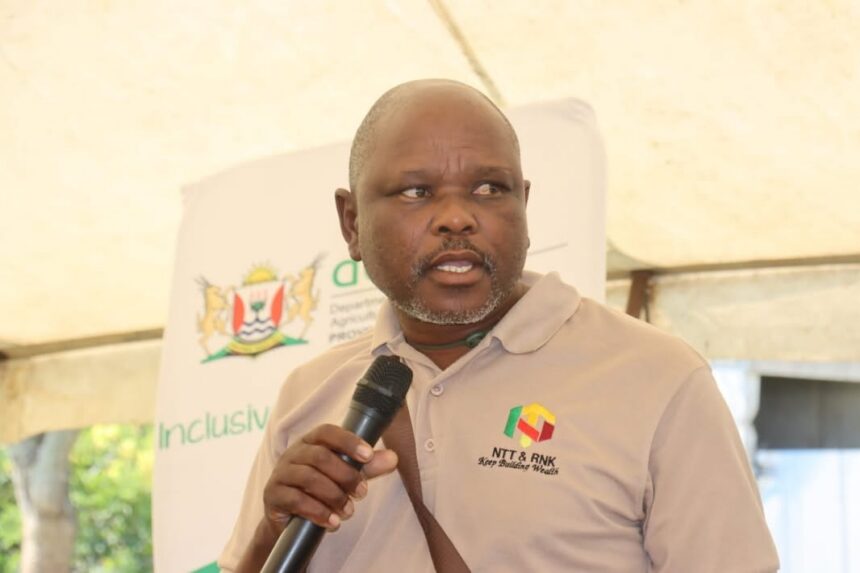
Residents of Xopozo Village in Flagstaff gathered for an important community engagement led by the OR Tambo District Land Use Management team, bringing practical knowledge about land management and environmental care directly to the community. The session provided residents with an opportunity to learn about issues that affect their land, livestock and livelihoods while engaging directly with officials and specialists. Rather than serving as a simple awareness campaign, the gathering created space for meaningful dialogue around the responsible use and protection of local natural resources. Practical guidance covered veld care, disaster management and veterinary services, giving residents information that can support better decision-making within their communities. The strong turnout reflected the importance of providing rural communities with accessible information about land management and the services available to them.
Veld management was an important part of the engagement because the condition of grazing land directly affects livestock production and the broader wellbeing of rural households. Residents received guidance on the importance of maintaining healthy veld and managing grazing resources responsibly. Proper veld management can help protect vegetation, maintain soil health and ensure that livestock have access to suitable grazing over time. Poorly managed grazing areas can become degraded, reducing their ability to support animals and increasing pressure on already limited natural resources. By understanding how to care for the veld, communities can contribute to the long-term productivity of their land while protecting an important resource for future generations.
The discussion also highlighted that veld management extends beyond livestock grazing and has wider implications for food security and rural livelihoods. Healthy grazing areas can support livestock production, which provides food and income for many rural households. When land remains productive, farmers are better positioned to maintain their livestock and sustain agricultural activities over longer periods. Protecting natural resources can also reduce environmental degradation and help communities respond to changing weather conditions and other pressures. Responsible land management therefore connects agricultural production with environmental protection and the economic wellbeing of households that depend on the land.
Disaster management was another key area addressed during the community engagement. Rural communities can face various risks that affect livestock, crops, infrastructure and access to essential services, making preparedness an important part of local resilience. Residents were given practical information to help them understand the importance of planning for potential emergencies and responding effectively when disasters occur. Early preparation can reduce losses by ensuring that communities understand the risks they face and know where to seek assistance when an emergency develops. Strong communication between communities, municipalities and relevant government structures can also improve responses during situations that threaten agricultural activities and livelihoods.
Veterinary services formed another important part of the discussions, particularly because livestock health has a direct impact on household food security and agricultural income. Access to appropriate veterinary support can help farmers prevent, identify and respond to diseases that may affect their animals. Residents also benefit from understanding the importance of seeking professional assistance when livestock show signs of illness or unusual health conditions. Early intervention can help limit potential losses and reduce the risk of diseases spreading between animals. Connecting rural communities with veterinary services therefore strengthens both livestock production and broader efforts to protect animal health.
The engagement benefited from contributions by the Ingquza Hill Local Municipality’s LED and Environmental Management Directorates, as well as MSD Health. Their participation brought additional expertise and perspectives to discussions about economic development, environmental management and community wellbeing. Collaboration between district structures, municipalities and other organisations can help ensure that rural development challenges receive a coordinated response. Local government structures also have an important role in connecting communities with information and services that can support sustainable development. The involvement of these stakeholders demonstrated how different areas of expertise can work together to address issues that affect rural communities.
The dialogue in Xopozo also reinforced the importance of community participation in land management. Sustainable management cannot depend only on government officials because residents and land users make daily decisions that directly affect the condition of the veld and surrounding environment. Communities that understand the consequences of overgrazing, poor land practices and environmental degradation are better positioned to take action to protect their resources. Open discussions also allow residents to raise concerns and seek clarification about issues affecting their land and livestock. This two-way engagement can help strengthen cooperation between communities and government structures while encouraging greater local responsibility for natural resources.
The message delivered during the engagement was that a healthy veld represents much more than a source of grazing for livestock. It contributes to food security, supports agricultural livelihoods, protects the environment and helps preserve resources that communities will depend on in the future. Maintaining productive land requires responsible grazing practices, awareness of environmental conditions and a willingness to protect natural resources from degradation. These efforts can have long-term benefits for livestock producers and households that rely on agriculture for food and income. Protecting the veld today can therefore help communities maintain their productive capacity and strengthen their livelihoods over time.
The successful engagement at Xopozo Village showed the value of taking land management information directly to rural communities. Residents had the opportunity to gain practical knowledge while engaging with officials and specialists on issues involving veld care, disaster management, veterinary services and environmental management. The participation of the OR Tambo District Land Use Management team, Ingquza Hill Local Municipality directorates and MSD Health strengthened the range of information available to the community. The session left residents better informed about their responsibilities as land users and the importance of protecting the resources on which their livelihoods depend. By empowering communities to become responsible custodians of their land, initiatives such as this can contribute to healthier veld, stronger livestock production, improved food security and more sustainable rural livelihoods for generations to come.
Join 'Farmers Mag' WhatsApp Channel
Get the latest Farming news and tips delivered straight to your WhatsApp
CLICK HERE TO JOIN