The Eastern Cape Department of Agriculture has hosted an Extension and Advisory Services programme focused on monitoring agricultural projects, assessing the delivery of services to farmers and planning for the 2027/2028 financial year. The programme brought officials together to review progress, identify challenges and consider practical ways to strengthen support provided to farmers across the province. Monitoring visits formed an important part of the programme because they allowed officials to engage with agricultural projects on the ground and gain a clearer understanding of their conditions. The initiative also created an opportunity to connect field-level observations with future planning and service delivery priorities. By combining project visits, presentations and discussions, the programme placed farmer support and improved extension services at the centre of the planning process.
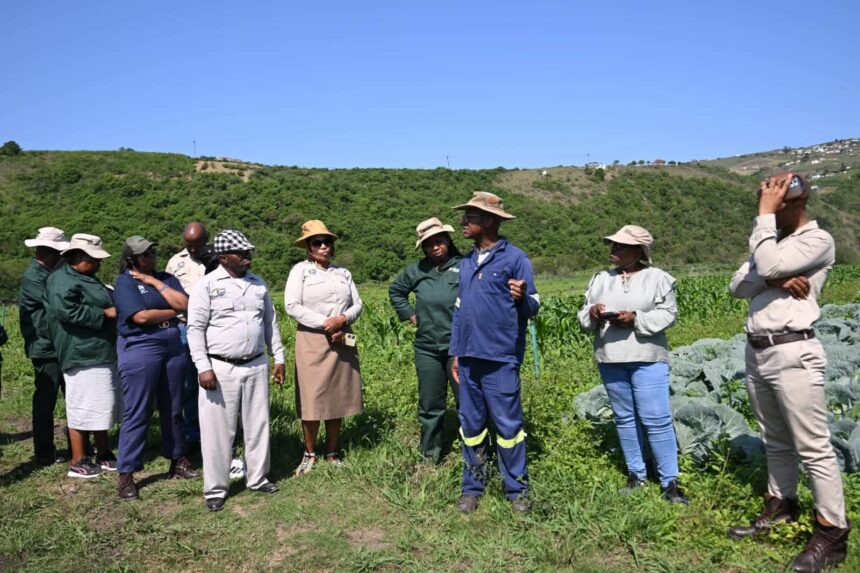
The first day of the programme began with visits to agricultural projects in Port St John’s, providing officials with an opportunity to assess activities directly at farm and project level. The projects visited included the Mgxabakazi project, Glengazi farm, Amagingqi farming project and Dumisa farm. Such visits allow extension and advisory officials to observe the progress of farmers and identify challenges that may not always be visible through administrative reports. Direct engagement can also help officials understand the practical support farmers require to improve production and strengthen their enterprises. The visits therefore provided useful information that can contribute to better planning and more responsive agricultural extension services.
The monitoring programme was also supported by the National Department of Agriculture, with all district managers and the department’s Monitoring and Evaluation unit participating in the activities. The involvement of officials from different levels of government provided an opportunity to strengthen coordination around agricultural support programmes. Monitoring and evaluation play an important role in determining whether planned activities are being implemented effectively and whether they are achieving the intended outcomes for farmers. Bringing district managers and monitoring officials into the field visits can also improve communication between those responsible for planning, implementation and assessment. This coordinated approach can help identify gaps earlier and support more effective interventions where farmers require additional assistance.
The second day of the programme commenced with presentations from each district on the implementation of Extension and Advisory Services during the first quarter. District teams shared information on how they had implemented the Extension Recovery Plan and outlined progress made in supporting farmers. These presentations provided a platform for comparing experiences across districts and identifying areas where implementation had progressed well or where additional attention was required. Reviewing performance during the first quarter also allows officials to consider whether existing approaches are delivering the expected support to farmers. The information shared during the presentations can help shape future activities and strengthen implementation during the remainder of the financial year.
The Extension Recovery Plan is particularly important because effective agricultural extension services can provide farmers with technical information, guidance and connections to relevant agricultural opportunities. Extension officers often serve as an important link between farmers, government programmes, research institutions, markets and other agricultural stakeholders. When these services operate effectively, farmers can receive support that helps them improve production practices and address challenges affecting their enterprises. Regular monitoring can help identify weaknesses in service delivery and determine where additional resources or interventions may be needed. Strengthening extension services is therefore closely linked to the department’s broader efforts to improve farmer support and agricultural development.
Market access was one of the key issues discussed during the programme. Farmers may produce quality agricultural products but still struggle to generate sustainable income if they cannot access reliable markets for their produce. District teams therefore considered ways to assist farmers in reaching markets and improving the commercial opportunities available to their enterprises. Better market connections can help producers move beyond production for local consumption and develop stronger income-generating agricultural businesses. Extension services can support this process by helping farmers understand market requirements, production planning, quality standards and other factors that influence successful participation in agricultural value chains.
The discussions also focused on identifying gaps where districts had fallen behind with implementation. Recognising these gaps is an important part of monitoring because it allows officials to determine what has caused delays and what actions may be required to address them. Challenges can arise from limited resources, logistical constraints, capacity issues or other factors affecting the delivery of services to farmers. Addressing these problems early can help districts improve implementation and ensure that farmers receive the support outlined in departmental plans. The focus on practical solutions also ensures that monitoring becomes more than an administrative exercise and contributes directly to improved service delivery.
The project visits and district presentations provided complementary forms of information for planning purposes. Field visits showed officials the realities faced by farmers and agricultural projects, while district presentations provided a broader view of how extension services were being implemented across different areas. Combining these perspectives can help decision-makers develop plans that reflect both departmental priorities and conditions experienced by farmers. This is particularly important when preparing for the 2027/2028 financial year because future programmes need to respond to identified gaps and emerging agricultural needs. Effective planning can also help ensure that resources are directed towards interventions that have a clear benefit for farmers.
The programme demonstrated the importance of continued cooperation between provincial and national agricultural structures. Farmers depend on coordinated support, particularly when they require assistance that involves more than one government programme or institution. Joint monitoring can improve accountability while creating opportunities for officials to share information about challenges, successful approaches and areas requiring improvement. It can also help ensure that the implementation of extension services remains aligned with broader agricultural development objectives. Strong coordination at district, provincial and national levels can ultimately improve the consistency and effectiveness of support delivered to farming communities.
The Eastern Cape Department of Agriculture’s Extension and Advisory Services programme provided an important opportunity to assess progress, engage directly with agricultural projects and strengthen planning for the 2027/2028 financial year. The visits to Mgxabakazi, Glengazi farm, Amagingqi farming project and Dumisa farm brought the monitoring process closer to farmers and provided practical insight into conditions on the ground. The participation of national department officials, district managers and the Monitoring and Evaluation unit further strengthened the programme’s focus on accountability and coordinated service delivery. Discussions around market access and implementation gaps also highlighted practical areas where extension services can make a greater contribution to farmers’ success. Continued monitoring, effective planning and targeted support can help strengthen the Extension Recovery Plan and ensure that farmers receive the services and market support they need to build productive and sustainable agricultural enterprises.
Join 'Farmers Mag' WhatsApp Channel
Get the latest Farming news and tips delivered straight to your WhatsApp
CLICK HERE TO JOIN