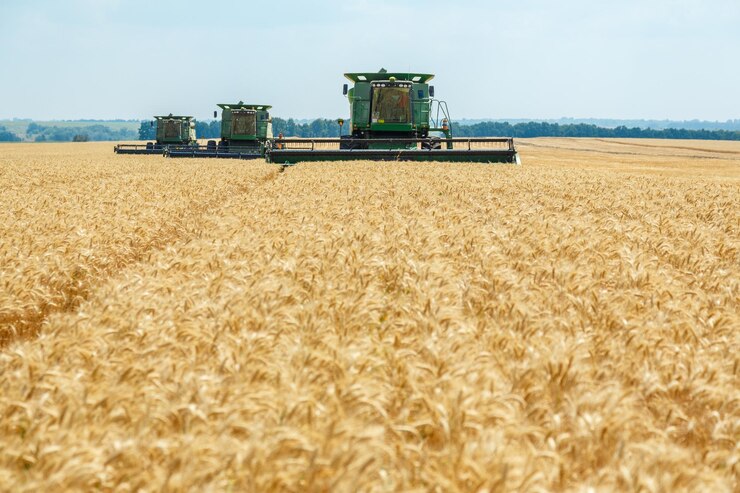
Wheat is deeply connected to everyday life in South Africa, appearing in many of the foods consumed by households across the country. Around 96% of South African households consume wheat-based products, highlighting the importance of wheat beyond the agricultural sector. The crop supports a broad value chain that stretches from farmers and millers to transporters, manufacturers, retailers and other businesses involved in bringing wheat products to consumers. This value chain supports approximately 90,000 jobs across farming, processing, transport and trade. Strengthening local wheat production therefore has implications for food security, employment and the sustainability of rural communities.
The widespread consumption of wheat-based products demonstrates why a stable wheat industry matters to households and the broader economy. Wheat is used in a wide range of everyday products, including bread, flour, pasta, biscuits and other processed foods. These products form part of regular household shopping baskets, creating consistent demand throughout the value chain. The scale of consumption also means that disruptions to wheat production, processing or supply can have consequences beyond individual farms. Maintaining a reliable and sustainable wheat industry is therefore important for ensuring that consumers continue to have access to essential food products.
For wheat producers, maintaining a sustainable local industry requires attention to production conditions, costs, markets and long-term agricultural viability. Farmers operate within a complex environment where input costs, weather conditions, yields and market prices can influence profitability. Wheat production also requires careful planning because farmers must make decisions about land, seed, fertiliser, water and other inputs before harvesting takes place. A viable local wheat industry depends on producers being able to continue investing in their farms while responding to changing agricultural conditions. Supporting sustainable production can help strengthen the domestic supply of wheat and maintain the economic activity connected to the crop.
The wheat value chain extends well beyond the farm gate, creating employment and economic activity across multiple stages. Once wheat is harvested, it moves through processes that can include storage, transport, milling, manufacturing and distribution before reaching consumers. Each stage requires workers and businesses, creating a network of economic relationships linked to wheat production and consumption. The estimated 90,000 jobs supported by the wheat value chain demonstrate the significance of this industry as an employment contributor. Protecting and strengthening the value chain can therefore help support livelihoods in both rural farming areas and urban centres where processing and trade activities take place.
Rural communities also benefit from the economic activity generated by wheat farming. Agricultural production creates demand for services, equipment, transport, inputs and other businesses that support farmers. When farming operations remain viable, this economic activity can contribute to income generation in rural areas and help sustain businesses that depend on agriculture. Local agricultural industries can also provide opportunities for skills development and employment within farming communities. A stronger wheat sector can therefore contribute to rural economic stability while supporting the broader food system.
Food security remains one of the most important reasons to maintain a productive and resilient domestic wheat industry. A country’s food security depends on reliable access to sufficient, safe and affordable food, supported by agricultural production and functioning supply chains. Local wheat production contributes to this system by providing a domestic source of a crop used in many commonly consumed foods. Domestic production does not remove the need for trade, but it can form an important part of a diversified supply strategy. Strengthening local production capacity can help the agricultural sector respond more effectively to changing market conditions and other disruptions.
The future of wheat production also depends on informed discussion between farmers, economists, industry organisations and other stakeholders. Cornè Louw, an economist from Grain SA, participated in the panel discussion, bringing producer and industry perspectives to conversations about the future of wheat production in South Africa. Economic expertise can help stakeholders understand the pressures affecting producers and the broader value chain. Producer perspectives are equally important because farmers experience production challenges directly and can provide practical insight into what is required to maintain viable operations. Bringing these perspectives together can support more informed conversations about the policies, investments and strategies needed to strengthen the wheat industry.
Sustainability will remain an important consideration as South African wheat producers navigate changing agricultural conditions. Farmers need production systems that allow them to maintain productivity while managing their use of natural resources and responding to environmental pressures. Efficient production practices, appropriate technology and sound farm management can all contribute to the long-term sustainability of wheat farming. Research and knowledge sharing can also help producers identify approaches that improve efficiency and reduce unnecessary costs. Supporting farmers with relevant information and practical tools can strengthen their ability to maintain productive operations over the long term.
The wheat industry also demonstrates how closely agriculture is connected to the daily lives of consumers. Many people encounter wheat several times a day without considering the extensive production and distribution network behind the products they eat. From planting and harvesting to milling, processing, transport and retail, each stage contributes to getting wheat-based products onto household tables. The participation of thousands of workers and businesses means that the industry’s impact extends well beyond agricultural land. Understanding this connection can help highlight why investment in agricultural production and food value chains matters to the wider economy.
The importance of wheat to South Africa goes beyond the crop itself because it supports food consumption, employment, farming livelihoods and rural economic activity. With around 96% of households consuming wheat-based products and the value chain supporting approximately 90,000 jobs, the industry has a significant role in the country’s food and economic system. Ensuring a sustainable local wheat industry will require continued engagement between producers, industry experts, policymakers and other participants across the value chain. Discussions involving voices such as Cornè Louw and Grain SA can help keep producer realities at the centre of conversations about the industry’s future. From the farm to the table, wheat remains an important part of South African life, making the resilience and sustainability of its value chain important for farmers, workers, businesses and consumers alike.
Join 'Farmers Mag' WhatsApp Channel
Get the latest Farming news and tips delivered straight to your WhatsApp
CLICK HERE TO JOIN