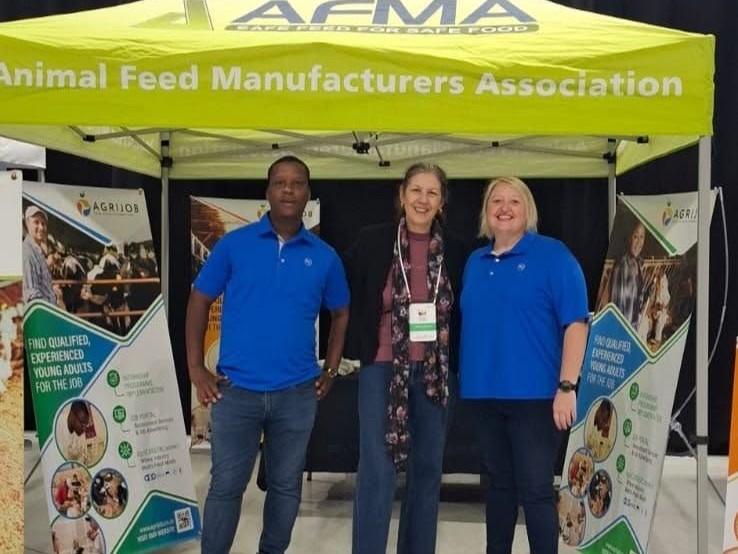
The Animal Feed Manufacturers Association Forum 2026 gets underway today, 8 September, at Sun City, bringing leaders and stakeholders from across South Africa’s animal feed and agricultural value chain together for three days of discussion, collaboration and industry engagement. Running until 10 September, the event is centred on the theme “The Feed Factor: The Chain That Feeds a Nation”, highlighting the important role animal feed plays in supporting livestock production and food security. The 12th Animal Feed Conference is expected to address some of the most important issues affecting feed manufacturing, from biosecurity and antimicrobial resistance to market volatility, sustainability and technological innovation. The forum provides a platform for industry participants to examine challenges affecting feed production while exploring practical solutions for a changing agricultural environment. With animal feed directly connected to the production of meat, milk and eggs, the discussions at Sun City have implications that extend well beyond feed manufacturers.
The theme of AFMA Forum 2026 places feed manufacturing at the centre of conversations about South Africa’s food system. Feed is a critical link between agricultural inputs and the production of animal protein, meaning changes in feed prices, quality, availability and manufacturing efficiency can influence the wider food chain. AFMA describes the feed industry as an important stabilising force within the broader food economy because decisions made in feed manufacturing can affect animal protein supply, food affordability, food safety and trade competitiveness. This makes the forum particularly relevant at a time when producers and businesses across agriculture are managing changing costs, disease pressures and market uncertainty. Bringing different parts of the value chain into the same forum creates an opportunity for participants to consider these challenges from multiple perspectives.
Biosecurity is expected to remain an important part of the discussions because animal health risks can have significant consequences for livestock production and feed demand. Disease outbreaks can disrupt production systems, affect livestock movements and create additional costs for farmers and businesses throughout the agricultural value chain. The forum’s programme includes discussions around antimicrobial resistance, biosecurity, science, compliance and resilience, reflecting the growing need for coordinated approaches to animal health. Antimicrobial stewardship is particularly important because the responsible use of medicines in animal production has implications for animal health, public health and long-term food security. Bringing regulators, veterinarians, feed manufacturers and other specialists together can help strengthen understanding of how different parts of the value chain contribute to responsible animal health management.
Market conditions will also receive significant attention during the three-day event. Feed manufacturers depend heavily on commodities such as grains and oilseeds, meaning changes in global markets can affect procurement costs and feed formulation. The official programme includes a focus on global market volatility, procurement risk and the influence of international trade on feed manufacturing and pricing. Participants will also examine developments across different livestock sectors and consider how production trends, disease pressures and changing consumer demand could influence feed requirements. These discussions are important because feed manufacturers need to make purchasing and production decisions in an environment where market conditions can change rapidly. Better understanding of global signals can help businesses prepare for volatility while improving planning across the feed-to-food chain.
Sustainability is another major issue shaping the AFMA Forum programme. Feed manufacturers are under growing pressure to use resources efficiently while maintaining nutritional quality, production performance and competitive costs. Sustainability therefore involves more than environmental considerations because efficient use of raw materials, energy and production resources can also improve long-term business resilience. The forum is examining practical approaches to resource efficiency, environmental stewardship and cost resilience as the industry considers how feed manufacturing can evolve. These conversations are increasingly relevant as agricultural businesses seek ways to remain productive while managing resource constraints and changing market expectations.
Technology and digitalisation will provide another important focus at Sun City. The programme includes discussions on artificial intelligence, digitalisation and advanced technologies in feed manufacturing and livestock production systems. New technologies can help manufacturers monitor production processes, manage raw-material variability and improve the consistency of finished feed. Recent industry discussions around precision feed milling have also highlighted the potential of real-time data, automated process controls and sensor technology to support faster and more informed production decisions. These developments could help manufacturers improve efficiency while making better use of available raw materials.
The growing role of data is particularly relevant to feed manufacturers because raw-material quality can vary and directly affect nutritional outcomes. Feed producers need to maintain consistent specifications even when grain and other ingredients differ in quality. Technologies that provide real-time information can help manufacturers identify changes during production rather than relying entirely on fixed assumptions. Automated recipe adjustments and improved process monitoring can help manufacturers respond to these variations while maintaining feed quality. This type of precision manufacturing shows how technology can move beyond automation and become a practical tool for improving decision-making and resource efficiency.
Feed safety will also remain central to the industry’s discussions because safe feed is closely linked to safe food. Contaminated raw materials can introduce risks into animal production systems and ultimately affect the wider food chain. The feed manufacturing process therefore requires careful attention to raw-material quality, formulation, processing, storage and traceability. Technologies such as optical sorting and other analytical tools can help manufacturers identify potential contamination risks and improve quality control. Strengthening these systems can support consumer confidence while helping producers maintain reliable animal production.
The forum’s broad participation reflects the interconnected nature of the modern animal feed industry. AFMA’s programme brings together feed and premix manufacturers, additive and raw-material suppliers, pet food manufacturers, grain and oilseed producers, traders, procurement specialists, laboratories, nutrition experts, veterinarians, regulators, investors and researchers. This diversity is important because challenges affecting feed production rarely remain within a single part of the agricultural value chain. A change in grain prices can affect feed costs, which can influence livestock production expenses and eventually affect food prices for consumers. Bringing these stakeholders together creates an opportunity to identify areas where collaboration can improve efficiency and resilience across the entire chain.
The event is also an opportunity for industry participants to examine the future of feed manufacturing in a rapidly changing agricultural environment. The programme includes a keynote discussion on the future of animal feed manufacturing as well as sessions covering antimicrobial resistance, global markets, livestock production and animal nutrition. These topics reflect the reality that feed manufacturing is becoming increasingly connected to technology, science, regulation and broader economic trends. Businesses need to understand these changes if they want to remain competitive while continuing to meet quality and safety requirements. The forum provides a space for industry leaders to consider what these developments mean for manufacturers and for the wider agricultural sector.
The AFMA Forum also comes at a time when the relationship between feed and food security is receiving greater attention. Without reliable feed supplies, livestock producers can face difficulties maintaining production and meeting demand for animal protein. Feed availability and affordability can therefore influence the stability of meat, milk and egg production. The feed industry must balance these pressures with the need to maintain nutritional quality, manage raw-material risks and operate sustainably. The discussions taking place at Sun City are consequently relevant to the wider question of how South Africa can build a more resilient and efficient food system.
As the AFMA Forum continues from 8 to 10 September, the emphasis will be on turning industry challenges into practical discussions and potential solutions. The event gives manufacturers and other stakeholders an opportunity to share knowledge, examine emerging technologies and assess market developments affecting their businesses. It also creates a platform for conversations between industry participants and regulators around issues such as feed safety, antimicrobial resistance and compliance. The combination of technical expertise, market intelligence and industry experience can help identify strategies that are relevant to the realities facing businesses and producers. This practical focus is important because the feed industry’s future will depend not only on identifying challenges but also on developing workable responses.
The opening of AFMA Forum 2026 at Sun City marks an important moment for South Africa’s animal feed industry as stakeholders come together under the theme “The Feed Factor: The Chain That Feeds a Nation”. The discussions on biosecurity, antimicrobial resistance, market dynamics, sustainability, innovation and digital technology reflect the range of pressures and opportunities shaping feed manufacturing. The industry sits at an important point in the agricultural value chain, connecting raw materials and animal nutrition with the production of food for consumers. Strengthening feed safety, improving efficiency and embracing innovation can help build a more resilient animal agriculture sector. As the forum unfolds, its central message is clear: the future of food security is closely connected to the strength, adaptability and sustainability of the feed industry.
Join 'Farmers Mag' WhatsApp Channel
Get the latest Farming news and tips delivered straight to your WhatsApp
CLICK HERE TO JOIN