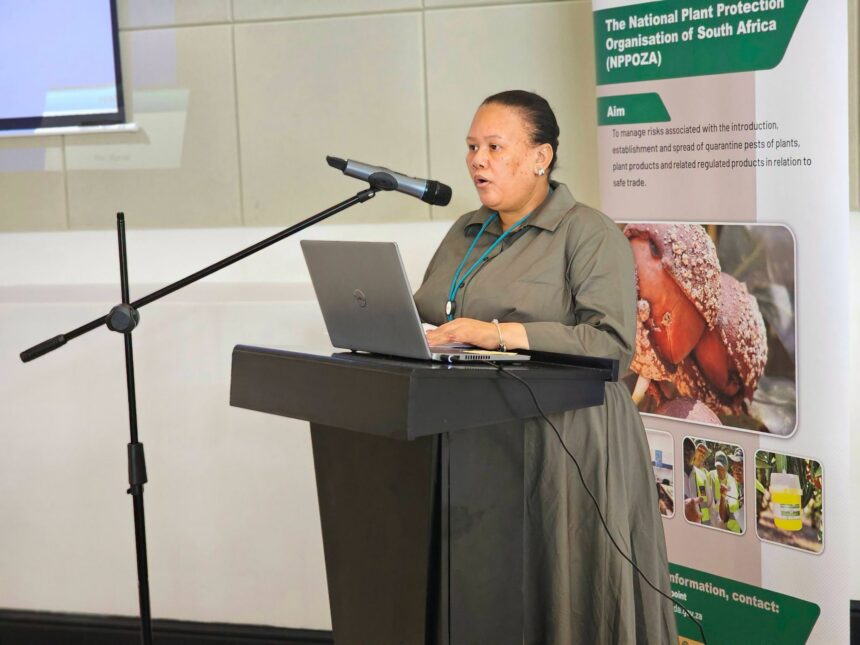
South Africa is moving closer to strengthening its national plant health and phytosanitary framework as the National Department of Agriculture concludes the final consultation process for new regulations under the Plant Health Act, 2024. Through the National Plant Protection Organisation of South Africa, the department is hosting the final National Consultative Workshop in Paarl in the Western Cape. The workshop brings together key stakeholders to examine proposed regulations designed to protect the country’s plant resources, agricultural production and international trade. The consultation comes after extensive public engagement on draft National Control Measures, Export Regulations and Import Regulations. The process represents an important step towards establishing a stronger regulatory system for managing plant pests and diseases across South Africa.
The draft Regulations were initially published for public comment in Government Gazette No. 53424 on 26 September 2025. Their publication provided stakeholders with an opportunity to examine the proposed provisions and raise concerns or make recommendations based on technical, scientific and practical considerations. Plant health regulations play an important role in agriculture because pests and diseases can spread quickly through crops, soil, plant material and agricultural products. If these risks are not properly controlled, they can cause production losses and threaten food supplies while also affecting South Africa’s ability to trade agricultural products internationally. The consultation process has therefore brought together different perspectives to help ensure that the final regulations are practical, science-based and capable of addressing the country’s plant health risks.
The final workshop in Paarl follows the completion of the broader public consultation process. According to the department, comments and inputs received from stakeholders have been consolidated and incorporated into the draft Regulations. This means the latest consultation provides an opportunity for stakeholders to assess how their concerns and recommendations have been reflected in the revised proposals. Participants can also provide further technical, scientific and practical input before the regulations are finalised. This final stage is important because effective plant health legislation needs to work across government, farming, trade, research and other parts of the agricultural sector.
The proposed Regulations cover several important areas of South Africa’s plant health system. The National Control Measures are intended to support the management of regulated plant pests and diseases within the country. The Export Regulations will help establish requirements linked to the movement of South African plant products into international markets, while the Import Regulations will address risks associated with plant material entering the country. Each area contributes to the broader objective of preventing the introduction and spread of harmful pests and diseases. A coordinated regulatory approach can help create clearer responsibilities and procedures for managing plant health risks at national borders and within agricultural production systems.
Plant pests and diseases can have serious consequences for farmers and the wider economy. An outbreak can reduce crop yields, damage commercially important plants and increase the cost of production as farmers respond to emerging threats. Some pests can also affect the quality of agricultural products, making them unsuitable for particular markets or reducing their commercial value. For export-oriented industries, plant health is especially important because importing countries often have strict phytosanitary requirements designed to prevent the introduction of foreign pests and diseases. Maintaining strong domestic plant health systems can therefore help protect agricultural production while supporting South Africa’s position in international agricultural trade.
The new regulatory framework could also strengthen South Africa’s ability to respond to emerging plant health threats. Global agricultural trade means plant material and agricultural products move across borders on a regular basis, creating pathways through which pests and diseases can spread. Climate and environmental changes can also influence where certain pests and diseases are able to survive and reproduce. Strong surveillance, effective control measures and clear regulatory procedures can help authorities identify and manage these threats before they cause wider damage. The proposed regulations are therefore relevant not only to current plant health concerns but also to the country’s ability to prepare for future agricultural risks.
Farmers and other agricultural businesses are among the stakeholders who could be directly affected by the final Regulations. Producers may need to comply with specific control measures when dealing with regulated pests or diseases, while exporters and importers may have to meet particular phytosanitary requirements when moving plant products across international borders. Compliance can involve inspections, documentation, treatment requirements, certification and other measures depending on the type of product and the associated risk. Clear regulations can make these processes easier to understand and apply consistently. At the same time, meaningful stakeholder consultation allows authorities to identify requirements that may create practical difficulties and consider improvements before the final rules are approved.
The consultation process also highlights the importance of scientific expertise in plant health policy. Regulations dealing with pests and diseases need to reflect current scientific knowledge about how organisms spread, survive and affect crops and natural plant resources. Decisions about control measures and import or export requirements can have significant consequences for farmers and traders, making evidence-based regulation essential. Technical experts, agricultural organisations, researchers and industry representatives can contribute information that helps policymakers understand these potential impacts. Bringing these perspectives into the final stage of consultation can improve the quality and practical value of the regulatory framework.
International trade is another major reason why a strong phytosanitary system matters to South Africa. Agricultural exporters need to demonstrate that their products meet the plant health requirements of destination countries. If a regulated pest is detected in exported products, it can result in additional inspections, rejected shipments or restrictions that damage the reputation of an entire industry. Effective domestic controls can help reduce these risks by limiting the presence and spread of regulated pests. Strong export regulations can also provide clearer procedures for producers and businesses seeking to access international markets while helping South Africa maintain confidence among trading partners.
The Plant Health Act, 2024, provides the broader legislative foundation for these regulations. The regulations will give practical effect to the plant health objectives established under the Act by setting out more detailed measures for controlling plant health risks. Their finalisation will therefore be an important development in the modernisation of South Africa’s plant protection framework. The consultation process allows the department and stakeholders to examine whether the proposed rules are suitable for the country’s agricultural realities before they move towards final approval. This approach can help ensure that the final framework balances effective pest and disease control with the practical needs of producers, traders and other stakeholders.
The final National Consultative Workshop in Paarl is consequently more than another stakeholder meeting. It represents the closing stage of a process intended to strengthen the rules governing plant health, imports, exports and national control measures. The feedback gathered throughout the consultation process has already contributed to revisions of the draft Regulations, while the final engagement provides an additional opportunity to identify important technical or practical issues. Once the Regulations are finalised and submitted for approval, they could provide South Africa with a stronger foundation for managing plant health risks. Their effectiveness will ultimately depend on clear implementation, adequate capacity, ongoing surveillance and cooperation between government and the agricultural sector.
Protecting South Africa’s plants is directly connected to protecting the country’s agricultural economy and food security. Healthy crops support farmers, provide food for consumers and supply raw materials to businesses across the agricultural value chain. Strong plant health controls can also help protect natural plant resources and maintain access to international markets by reducing the risks associated with regulated pests and diseases. The final consultation on the Plant Health Act, 2024 Regulations is therefore an important step in preparing the country for current and future plant health challenges. By strengthening its phytosanitary system through science-based regulation, stakeholder participation and effective control measures, South Africa can better protect its agriculture, support livelihoods and safeguard food security for years to come.
Join 'Farmers Mag' WhatsApp Channel
Get the latest Farming news and tips delivered straight to your WhatsApp
CLICK HERE TO JOIN