For the Joza Community, farming is becoming more than a way to produce food. Through the Ilima Lokulima initiative, community members are gaining access to land, learning practical farming skills and finding ways to generate income from agricultural production. Mthobeli Mali, a worker at the Mthathi Training Project, has experienced this transformation firsthand after spending 16 years working at the project. He says the farming initiative has helped community members who have limited land at home gain an opportunity to cultivate crops and improve their livelihoods. His experience shows how access to land, agricultural training and community support can help turn small-scale farming into a meaningful source of food and income.
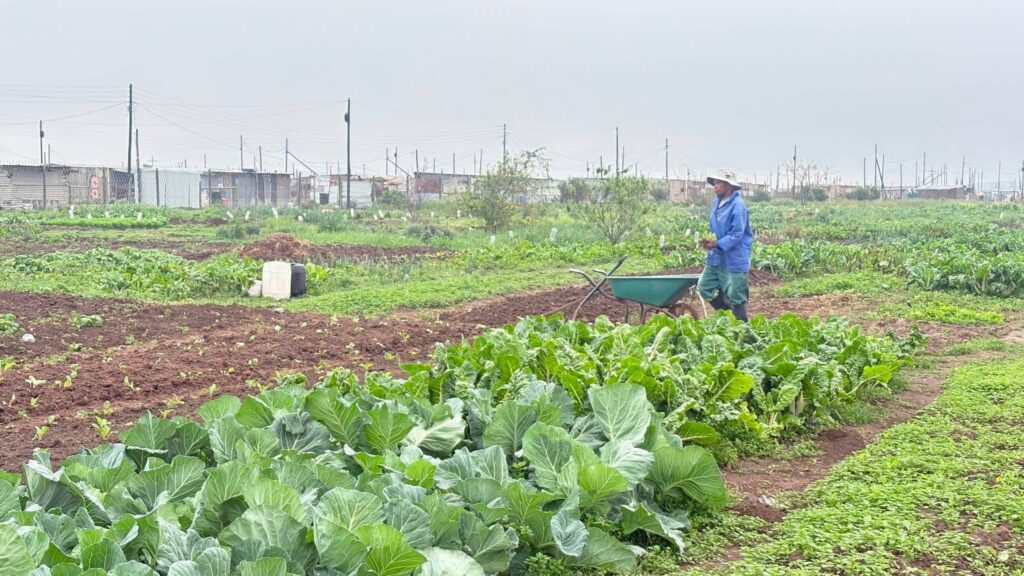
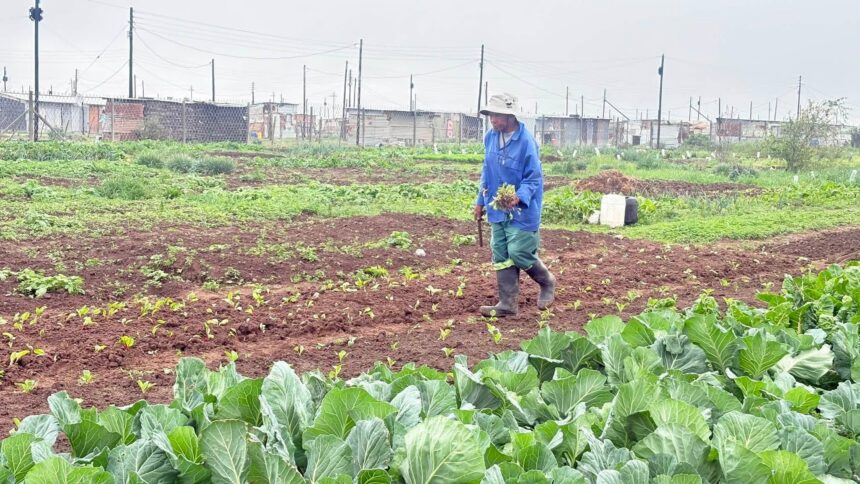
The Mthathi Training Project established its ploughing field in 2012 with the aim of providing practical training to community members who wanted to learn how to work the land. Mali explains that the field was created to help aspiring farmers understand the basics of cultivation and develop the skills needed to produce food. The initiative was also developed in response to concerns about young people becoming increasingly disconnected from agricultural work. The project sought to encourage them to become involved in farming and demonstrate that working the land can provide practical economic opportunities. By creating a space where community members can learn through hands-on experience, the project has helped make farming more accessible to people who may otherwise have had limited opportunities to develop agricultural skills.
Limited access to suitable land remains one of the challenges facing many households in the community. Mali explains that many residents do not have enough space in their backyards to establish productive gardens or cultivate crops on a meaningful scale. The training field therefore provides an important alternative by giving community members access to plots where they can grow food and develop their farming abilities. Participants receive at least 12 plots each, providing them with space to put their training into practice and produce crops for their households. This approach connects access to land with practical agricultural education and gives residents an opportunity to gain experience while producing food.
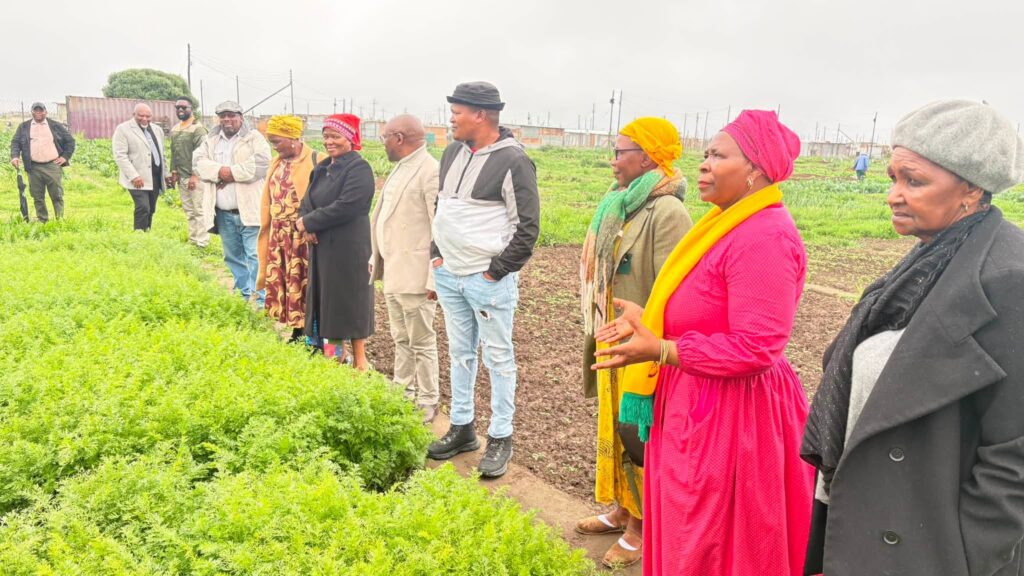
The training begins with fundamental farming practices that are essential for successful crop production. Community members learn how to prepare the land, plough correctly and establish seedlings as part of the cultivation process. These basic skills can make an important difference for people who have never worked agricultural land before. Mali says he also arrived at the project without knowing how to work the land, but the training he received became an important part of his development. His experience demonstrates how practical agricultural knowledge can help people move from having little or no farming experience to becoming producers who can generate food and income. Skills gained through programmes such as this can remain valuable for years and can also be shared with other members of the community.
For Mali, the benefits of farming extend directly to his livelihood. He says agricultural production has helped him earn an income while also allowing him to sell surplus produce in town. This creates a direct link between food production and economic opportunity because crops can serve both household consumption and commercial purposes. Selling excess produce can provide farmers with additional income that can be used to support their families and reinvest in their farming activities. Small-scale producers can therefore contribute to local food supply while participating in the community economy. Mali’s experience illustrates how even community-based farming operations can create opportunities for people to build more sustainable livelihoods.
The initiative also has the potential to engage young people at a time when unemployment remains a major concern. Mali believes expanding agricultural opportunities could help address some of the economic pressures created by high unemployment in the country. Farming can provide opportunities for people to develop practical skills and create income-generating activities rather than relying solely on formal employment opportunities. Young people who gain experience in crop production can potentially develop their own gardens, farming enterprises or agricultural businesses as their knowledge and access to resources increase. Agricultural training can also expose participants to other parts of the value chain, including selling, transportation and the supply of farming inputs. Creating these pathways can help communities view agriculture as an economic activity with potential beyond subsistence food production.
Mali’s vision for the future is to see the project expand its available land and increase the scale of production. He believes that a larger farming area could help the project qualify for access to tractors and other agricultural machinery. Mechanisation could make it possible for community members to cultivate more land efficiently while reducing the amount of manual labour required for tasks such as land preparation. Greater access to machinery could also support larger-scale production and allow more people to participate in farming activities. Expansion would therefore not simply increase the amount of land available but could strengthen the project’s capacity to support agricultural livelihoods within the community.
The story of the Mthathi Training Project reflects the broader purpose of Ilima Lokulima, which seeks to bring communities together around the productive use of land. The initiative demonstrates that agricultural development does not always begin with large commercial farms or sophisticated infrastructure. It can begin with community members receiving access to a piece of land, learning how to cultivate it and supporting one another through the farming process. When farmers can produce enough food to meet household needs and sell surplus produce, agriculture can contribute to both food security and household income. Community-based initiatives can also create a shared environment where knowledge and practical skills are passed between participants.
The Joza Community’s experience also highlights the importance of combining land access with training and support. Providing land without the knowledge or resources needed to use it productively can limit the benefits that communities receive from agricultural programmes. The Mthathi Training Project addresses this by teaching participants practical cultivation skills while giving them an opportunity to apply those skills on allocated plots. Further investment in land expansion, mechanisation and agricultural support could strengthen these efforts and allow more community members to participate. Such support could help farmers increase production, improve their incomes and develop more sustainable farming activities over time.
For Mthobeli Mali and the Joza Community, Ilima Lokulima represents an opportunity to turn farming into a practical tool for improving livelihoods. The Mthathi Training Project has spent years creating a space where people can learn how to prepare land, cultivate crops and generate value from agricultural production. Mali’s own journey from having little knowledge of farming to earning an income from his produce demonstrates the potential impact of practical training and access to land. His call for the expansion of the project also points to the need for continued investment in community agriculture, particularly through access to more land and mechanisation. As Ilima Lokulima brings communities together around agriculture, the Joza experience shows that putting hands to the soil can help put food on the table while creating new pathways towards income, skills and better livelihoods.
Join 'Farmers Mag' WhatsApp Channel
Get the latest Farming news and tips delivered straight to your WhatsApp
CLICK HERE TO JOIN