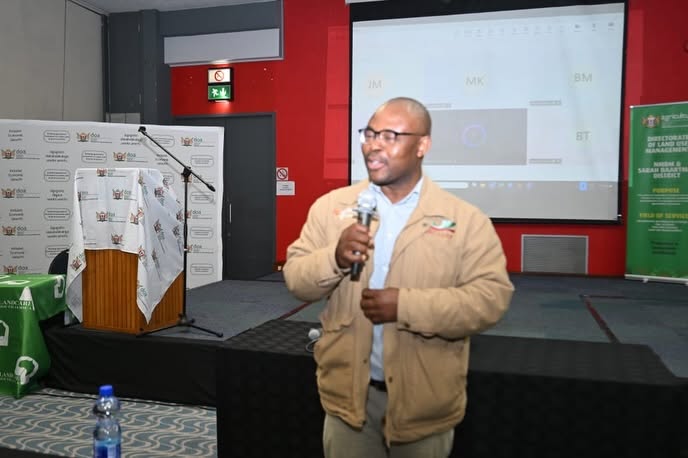
The Eastern Cape Department of Agriculture hosted its quarterly Natural Resources Management Working Group meeting, bringing together officials from provincial agriculture departments responsible for land use management and sustainable natural resource management. The meeting provided an important platform for provinces to review progress, identify challenges and strengthen approaches to managing agricultural resources responsibly. Discussions focused on practical measures to improve the implementation of sustainable natural resource management programmes while supporting compliance with the Conservation of Agricultural Resources Act and other relevant legislation and policies. The gathering also highlighted the importance of cooperation between provinces in addressing land management challenges that affect agricultural productivity, environmental sustainability and rural livelihoods. Through regular engagement, the working group continues to support coordinated planning and stronger implementation of land management initiatives across participating provinces.
Sustainable land management remains an important part of protecting agricultural resources while ensuring that land continues to support productive farming activities. Poor land management can contribute to problems such as soil degradation, invasive alien plants, declining grazing capacity and the deterioration of natural vegetation. These challenges can reduce the ability of farmers and livestock producers to maintain productive operations over the long term. The quarterly working group meeting allowed officials to examine these issues and consider strategies that can improve the management of agricultural land and natural resources. By bringing provincial officials together, the platform encourages the sharing of experiences and practical approaches that can strengthen implementation at provincial and local levels.
A key focus of the discussions was the need to strengthen compliance with the Conservation of Agricultural Resources Act, commonly known as CARA, as well as other relevant policies and legislation. Effective compliance is important because agricultural land must be managed in a way that protects its productive potential and reduces environmental degradation. Provincial officials have an important role in translating national policies and legal requirements into practical programmes that can be implemented on the ground. This requires clear planning, monitoring and cooperation with farmers and other stakeholders who use agricultural resources. The working group’s discussions therefore provided an opportunity to consider how implementation can become more effective while addressing the specific challenges experienced in different provinces.
The meeting also focused on identifying gaps that affect the implementation of natural resource management programmes. Recognising these gaps is important because successful land management depends on more than having policies in place. Programmes require adequate planning, resources, technical support, monitoring and cooperation among government structures and beneficiaries. By identifying obstacles during quarterly engagements, officials can explore practical interventions instead of allowing challenges to remain unresolved. This approach can help provinces improve programme delivery and ensure that natural resource management activities produce measurable benefits for agricultural land and rural communities.
The rotation of the quarterly working group meeting among provinces adds an important practical dimension to the process. Hosting the meeting in different provinces allows officials to gain first-hand exposure to local agricultural and environmental conditions. It also creates opportunities for participants to see examples of natural resource management interventions and understand how programmes operate in different farming environments. This approach encourages knowledge sharing and allows provinces to learn from projects that may offer useful solutions to similar challenges elsewhere. The rotating format also strengthens collaboration between provincial departments as they work towards shared objectives for sustainable land management.
The quarterly engagements also form part of preparations for LandCare funding applications, making effective planning particularly important. Provincial plans need to align with national priorities so that funding proposals support broader natural resource management objectives. Alignment can help ensure that available resources are directed towards interventions that address identified environmental and agricultural challenges. Careful planning also allows provinces to demonstrate the need for proposed projects and explain how they can contribute to sustainable land use. The working group therefore provides an important space for officials to assess priorities, refine plans and strengthen coordination before funding applications are submitted.
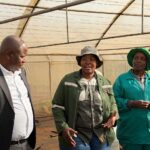
As part of the programme, delegates visited Weltevrede Farm, providing an opportunity to see a practical example of government-supported agricultural development. Three beneficiaries supported by the Department are participating in the mohair production value chain at the farm. Mohair production forms an important part of livestock agriculture in the Eastern Cape and requires effective animal management, suitable infrastructure and responsible use of grazing resources. The visit allowed delegates to see how departmental support is being used to improve farming operations and strengthen the beneficiaries’ participation in the agricultural value chain. Practical site visits such as this also help connect policy discussions with the realities faced by farmers and beneficiaries on the ground.
The Department has supported the beneficiaries at Weltevrede Farm through the establishment of fencing and a shearing shed. These facilities can play an important role in improving livestock management and creating a more organised farming operation. Appropriate fencing can help farmers manage livestock movement, protect grazing areas and support more effective veld management practices. A shearing shed provides suitable infrastructure for handling animals during shearing and can contribute to safer and more efficient production activities. This type of support demonstrates how agricultural infrastructure can strengthen the ability of beneficiaries to participate more effectively in a specialised value chain such as mohair production.
The Department is also assisting the beneficiaries with veld management through the spraying of invasive alien plant species. Invasive alien plants can compete with indigenous vegetation and reduce the amount of grazing available to livestock. Their presence can also affect the ecological condition and productive capacity of agricultural land if they are not managed effectively. Removing or controlling these species can improve grazing availability while supporting better land management outcomes. The intervention at Weltevrede Farm therefore links agricultural support with environmental management by addressing a land management challenge that directly affects livestock production.
Improving grazing capacity is particularly important for livestock farmers because the condition of the veld directly influences the availability and quality of feed. Effective veld management can help prevent overgrazing and protect vegetation from long-term degradation. It can also support more sustainable use of natural resources by ensuring that livestock production does not place excessive pressure on the available land. Combining infrastructure support with veld management gives beneficiaries a more comprehensive form of assistance rather than focusing on one aspect of their farming operations. The work at Weltevrede Farm illustrates how sustainable land management can support both environmental objectives and the economic activities of rural farmers.
The Natural Resources Management Working Group meeting also highlights the importance of linking agricultural development with environmental protection. Productive agriculture depends on healthy soils, adequate grazing resources, functioning ecosystems and responsible land use. Government programmes that address these areas can help farmers maintain production while protecting the resources needed by future generations. Strong cooperation between provincial departments can further improve the consistency of these efforts and encourage the adoption of effective practices across different farming communities. The combination of policy planning, funding preparation, field visits and practical interventions gives the working group an important role in supporting sustainable agricultural development.
The work being undertaken through the Eastern Cape Department of Agriculture and its provincial partners shows why natural resource management must remain a long-term priority. Regular working group meetings provide an opportunity to assess progress, identify implementation gaps and develop practical responses to challenges affecting agricultural land. Projects such as the support provided to beneficiaries at Weltevrede Farm demonstrate how sustainable land management can be integrated with livestock development and agricultural value chains. Infrastructure improvements, invasive alien plant control and better veld management can contribute to stronger farming operations while protecting the natural resources on which agriculture depends. Continued collaboration, effective planning and alignment with national priorities will be essential to strengthening LandCare and sustainable natural resource management efforts across the provinces.
Join 'Farmers Mag' WhatsApp Channel
Get the latest Farming news and tips delivered straight to your WhatsApp
CLICK HERE TO JOIN