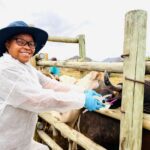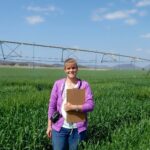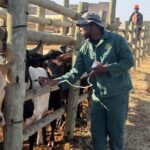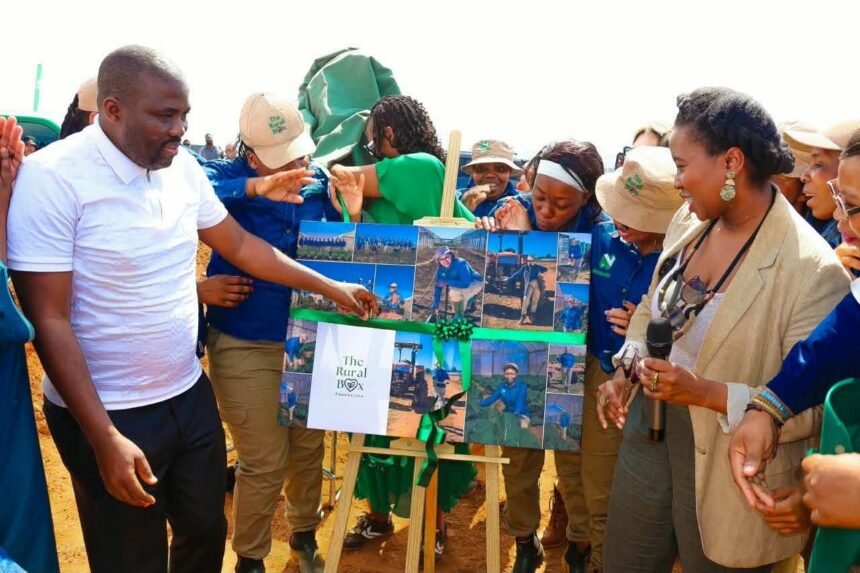
Gauteng’s agricultural sector is gaining renewed momentum as government, community organisations and emerging entrepreneurs work together to create sustainable opportunities across the province. Gauteng MEC for Agriculture and Rural Development Vuyiswa Ramokgopa, together with The Rural Box Foundation, recently hosted the Tarlton Agripark SMME Incubation Programme Launch at Tarlton Agripark in Mogale City. The programme highlights the importance of supporting small, medium and micro enterprises while creating practical pathways for people to participate meaningfully in agriculture. The launch also formed part of a Women’s Month celebration that recognised women who are building businesses, supporting their communities and contributing to the future of Gauteng’s agricultural economy. By bringing stakeholders together, the initiative demonstrates how partnerships can strengthen local enterprises and promote inclusive agricultural development.
The Tarlton Agripark SMME Incubation Programme is positioned as an important platform for developing agricultural entrepreneurs and strengthening small businesses within the sector. Agriparks can provide opportunities for emerging farmers and agricultural enterprises to access infrastructure, knowledge, mentorship and networks that can help them move from small-scale operations towards sustainable businesses. For many entrepreneurs, access to resources and appropriate business support can determine whether an agricultural idea remains informal or develops into a viable enterprise. An incubation programme can help participants improve their business planning, understand markets and strengthen their ability to manage day-to-day operations. These forms of support are particularly important in creating agricultural businesses that can contribute to employment, food production and economic activity in local communities.
The partnership between MEC Vuyiswa Ramokgopa and The Rural Box Foundation also demonstrates the value of collaboration in addressing challenges within Gauteng’s agricultural sector. Government programmes can create policy support and access to public resources, while community-focused organisations can contribute practical knowledge, networks and connections with local entrepreneurs. Combining these strengths can create more effective support systems for small businesses and emerging agricultural enterprises. Partnerships can also help programmes respond more closely to the needs of the communities they serve. The Tarlton launch therefore represents more than the introduction of an incubation initiative, as it reflects a broader approach to sustainable agricultural development based on cooperation and shared responsibility.
The Women’s Month celebration added an important dimension to the event by recognising women who are making a contribution to agriculture and local economic development. Women play an important role across the agricultural value chain, from food production and processing to retail, entrepreneurship and community development. Supporting women-owned agricultural businesses can help expand economic participation while creating additional opportunities for households and communities. Recognition also matters because it highlights the skills, determination and entrepreneurial potential already present within Gauteng’s communities. Programmes that combine business incubation with meaningful opportunities for women can help more entrepreneurs develop sustainable enterprises and participate in the formal agricultural economy.
The Agri-Impact Programme Showcase further highlighted the practical work being undertaken to create opportunities within the agricultural sector. Showcases give entrepreneurs an opportunity to demonstrate their products, services and achievements while connecting with potential partners, customers and support organisations. These platforms can also help identify successful approaches that could be expanded or replicated in other communities across Gauteng. For emerging businesses, exposure can be just as important as financial assistance because strong networks can open doors to markets, mentorship and future partnerships. Connecting agricultural entrepreneurs with broader economic opportunities can help ensure that development programmes produce lasting benefits rather than short-term interventions.
Sustainable agricultural growth requires more than increasing production. Farmers and agricultural entrepreneurs need access to markets, reliable infrastructure, business skills, technology, financing and relevant training to build resilient enterprises. SMME incubation programmes can help address some of these needs by giving entrepreneurs structured support as they develop their operations. Stronger agricultural SMMEs can contribute to local employment and improve economic activity in areas where opportunities may otherwise remain limited. They can also strengthen local food systems by encouraging production, processing and distribution closer to the communities that depend on them. This makes agricultural development an important part of Gauteng’s broader economic and social development strategy.
Tarlton Agripark in Mogale City provides a useful setting for an initiative focused on strengthening agricultural entrepreneurship. Agriparks can serve as practical spaces where producers and small businesses connect with agricultural resources and develop their capabilities. When these facilities operate alongside effective training, mentorship and market development programmes, they can help entrepreneurs overcome some of the barriers associated with entering and growing within the agricultural sector. The success of such initiatives will depend on sustained support and the ability to connect participants with genuine commercial opportunities. Continued collaboration between government, development organisations, businesses and communities will therefore remain important as participants work to turn their agricultural ambitions into sustainable enterprises.
The focus on SMMEs is especially significant because smaller enterprises can play a major role in creating employment and diversifying local economies. Agricultural businesses do not operate in isolation, as successful enterprises create demand for transport, packaging, equipment, processing, marketing and other supporting services. As more businesses become established, they can contribute to a wider network of economic activity around agricultural production. This can help communities capture more value from agriculture instead of relying only on the sale of unprocessed products. Building stronger agricultural SMMEs can therefore support both individual entrepreneurs and the wider economic ecosystem in which they operate.
The Tarlton launch also reinforces the importance of recognising agriculture as a business sector that requires innovation and professional management. Modern agricultural entrepreneurs must understand production costs, customer demand, market access, financial management and changing consumer expectations. They also need to consider sustainability and resource efficiency as environmental pressures increase. Incubation programmes can help entrepreneurs develop these capabilities while providing a structured environment for learning and growth. By investing in knowledge and enterprise development, Gauteng can help create agricultural businesses that are better equipped to adapt to changing economic conditions.
The participation of women remains central to this vision of inclusive agricultural growth. Women entrepreneurs often contribute to local economies through businesses that support families, create employment and provide products and services within their communities. Giving these entrepreneurs access to incubation, mentorship, markets and business networks can strengthen their capacity to grow. Women’s Month provides an opportunity to recognise these contributions while also drawing attention to the need for continued economic empowerment. Celebrating women who are already building agricultural businesses can inspire more women to consider entrepreneurship as a pathway into the sector.
The collaboration between Gauteng’s agricultural leadership and The Rural Box Foundation illustrates how community partnerships can support the province’s development goals. Effective partnerships can bring different forms of expertise together and create opportunities that neither government nor community organisations could deliver as effectively on their own. They can also improve communication between programme providers and entrepreneurs, helping ensure that support responds to real business needs. For agricultural development to remain sustainable, participants need support that continues beyond a launch event and translates into measurable business progress. Ongoing mentorship, market connections and monitoring will be important in determining the long-term impact of the Tarlton Agripark SMME Incubation Programme.
The initiative comes at a time when strengthening local agricultural enterprises can contribute to broader economic resilience in Gauteng. Supporting entrepreneurs to produce, process and sell agricultural goods can help increase local economic participation while strengthening connections between producers and consumers. It can also create opportunities for young people and other aspiring entrepreneurs to develop careers within agriculture and related industries. When communities have access to productive enterprises, agricultural development can contribute to wider social and economic stability. Programmes such as the Tarlton Agripark SMME Incubation Programme can therefore form part of a broader strategy to make agriculture more accessible, commercially sustainable and inclusive.
The launch of the Tarlton Agripark SMME Incubation Programme sends a strong message about the importance of investing in people, enterprises and partnerships within Gauteng’s agricultural sector. MEC Vuyiswa Ramokgopa and The Rural Box Foundation have brought attention to the potential of incubation, community collaboration and women’s economic empowerment to support sustainable growth. The recognition of women agricultural entrepreneurs also shows that inclusive development must place local talent at the centre of economic transformation. If participants receive sustained access to skills, markets, infrastructure and business support, the programme can help turn emerging agricultural enterprises into stronger contributors to local economies. The Tarlton initiative ultimately highlights a practical path towards a more resilient Gauteng agricultural sector, where empowered entrepreneurs and strong community partnerships can create lasting opportunities for businesses, families and communities.
Join 'Farmers Mag' WhatsApp Channel
Get the latest Farming news and tips delivered straight to your WhatsApp
CLICK HERE TO JOIN