South African farmers exporting agricultural products to the United States are entering a new trading environment following the implementation of revised US tariffs that came into effect at midnight on 24 July 2026. While the increase in tariffs will create additional costs for some exporters, industry leaders believe the new 12.5 percent rate provides far greater certainty than the severe trade disruptions experienced in 2025. For producers of fruit, wine and other agricultural products, the focus is now shifting from uncertainty to adapting business strategies that protect profitability and maintain access to an important export market. The United States remains one of South Africa’s key agricultural trading partners, making it essential for farmers to understand how the new measures will affect different commodities. Knowing which products are exempt, which are affected and how to respond will help producers make informed decisions for the seasons ahead.
The revised tariffs form part of the United States’ implementation of its finalised trade measures under Section 301 of the Trade Act of 1974. The changes follow a global investigation by the Office of the United States Trade Representative, which assessed whether major trading partners had effective legal measures to prevent products linked to forced labour from entering their supply chains. Following the investigation, 54 countries, including South Africa, were found not to have sufficiently explicit and enforceable statutory bans on forced labour imports. Although South Africa argued that its labour legislation and anti-trafficking laws already provided adequate protection, the United States concluded that additional legal measures were required. As a result, South Africa now falls within the 12.5 percent tariff category for affected products.
While no exporter welcomes higher tariffs, many in the agricultural sector have reacted with cautious optimism because the final rate is considerably lower than the trade barriers experienced during 2025. Last year’s 30 percent “Liberation Day” tariffs placed enormous pressure on agricultural exporters, reducing South Africa’s export volumes to the United States by 11 percent during the third quarter and by 39 percent during the fourth quarter. Annual agricultural exports to the US fell to approximately US$504 million as producers struggled with rising costs and declining competitiveness. Compared with those difficult conditions, the new tariff structure provides a more stable and predictable trading environment. Greater certainty allows farmers, exporters and marketers to plan production, negotiate contracts and manage logistics with much greater confidence.
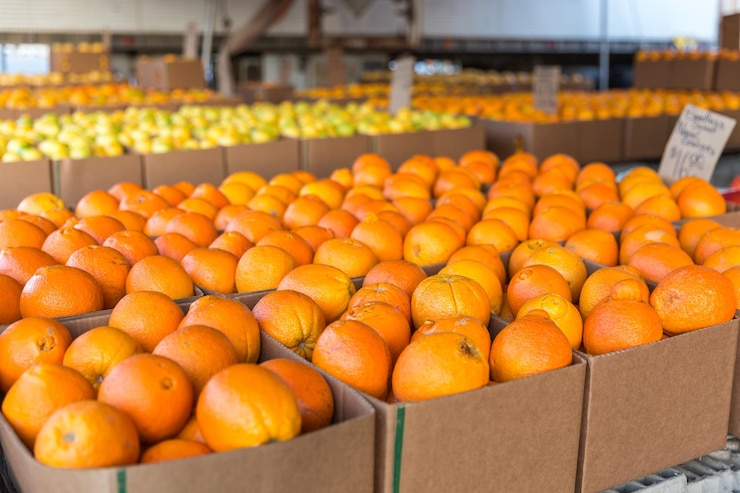
One of the biggest positives for South African agriculture is that several major export commodities remain exempt from the new Section 301 tariffs. According to the final USTR notice, fresh oranges, fruit juices and tree nuts continue to benefit from exemptions under Annex A. These products represent a significant share of South Africa’s agricultural exports to the United States, meaning a substantial portion of export revenue remains protected. For citrus growers producing fresh oranges, the exemption provides welcome stability and allows them to continue competing in the American market without additional tariff costs. This exemption helps preserve the competitiveness of one of South Africa’s most successful export industries.
However, not every agricultural sector enjoys the same level of protection. Producers exporting wine, table grapes, raisins, berries, apples, pears, soft citrus varieties such as mandarins and clementines and lemons will now face the full 12.5 percent tariff. These additional duties increase the landed cost of South African products in the United States, placing pressure on exporters to remain competitive against suppliers from other countries. In some cases, exporters may absorb part of the tariff by accepting lower profit margins, while in others, buyers may face higher prices. Either option creates financial challenges that require careful planning and cost management throughout the production and export process.
The distinction between fresh oranges and other citrus products is particularly important for growers. While fresh oranges remain exempt from the Section 301 duties, soft citrus and lemons are fully exposed to the new tariff. Farmers producing multiple citrus varieties may therefore experience different financial outcomes depending on the products they export. This highlights the importance of understanding commodity-specific trade regulations rather than assuming all citrus exports receive the same treatment. Exporters should continue working closely with industry organisations and export agents to ensure they remain informed about changing market conditions and trade requirements.
The practical impact of the new tariffs will depend on each farming enterprise and its export strategy. Producers selling directly into the United States may need to review contracts, improve production efficiency and carefully manage input costs to maintain profitability. Exporters may also consider strengthening relationships with existing buyers while exploring additional international markets to reduce reliance on a single destination. Investments in product quality, efficient logistics and value-added processing can also improve competitiveness in an increasingly challenging global marketplace. Farmers who remain flexible and responsive to market conditions are often better positioned to navigate changing trade environments successfully.
An important factor providing reassurance to South African exporters is that the tariff measures apply to many competing agricultural nations as well. Countries such as Australia, Chile and Peru, which compete with South Africa in supplying fresh produce to the United States, have also been placed within similar tariff ranges of between 10 percent and 12.5 percent. This means South African producers are not being singled out or placed at a major disadvantage compared with their Southern Hemisphere competitors. Equal treatment across competing exporting countries helps maintain a relatively level playing field in the American market. As a result, product quality, reliability and efficient supply chains will continue to play a significant role in determining export success.
Industry expectations for the remainder of 2026 remain positive despite the revised tariff structure. The Agricultural Business Chamber, commonly known as Agbiz, expects agricultural exports to the United States to outperform 2025 levels because businesses now have greater certainty about the applicable trade rules. Stable tariff rates allow exporters to make long-term production and marketing decisions without the uncertainty that characterised the previous year. Although additional costs remain a challenge, predictability provides farmers with a stronger foundation for planning future investments and managing business risks. Continued collaboration between producers, exporters and industry organisations will also help strengthen South Africa’s position in international agricultural markets.
The introduction of the new 12.5 percent US tariff marks an important change for South African agricultural exports, but it does not diminish the country’s strong position as a reliable supplier of high-quality agricultural products. While exporters of wine, table grapes, apples, pears, berries, lemons and soft citrus will face increased costs, major export commodities such as fresh oranges, fruit juices and tree nuts remain protected through important exemptions. Farmers who focus on efficiency, product quality, sound financial management and market diversification will be better equipped to manage the changing trade environment. The United States continues to represent an important destination for South African agricultural products, and stable trading conditions provide a stronger platform for future growth than the uncertainty experienced in recent years. With careful planning and continued innovation, South African farmers can continue competing successfully in global markets while strengthening the long-term sustainability of their farming businesses.
Join 'Farmers Mag' WhatsApp Channel
Get the latest Farming news and tips delivered straight to your WhatsApp
CLICK HERE TO JOIN