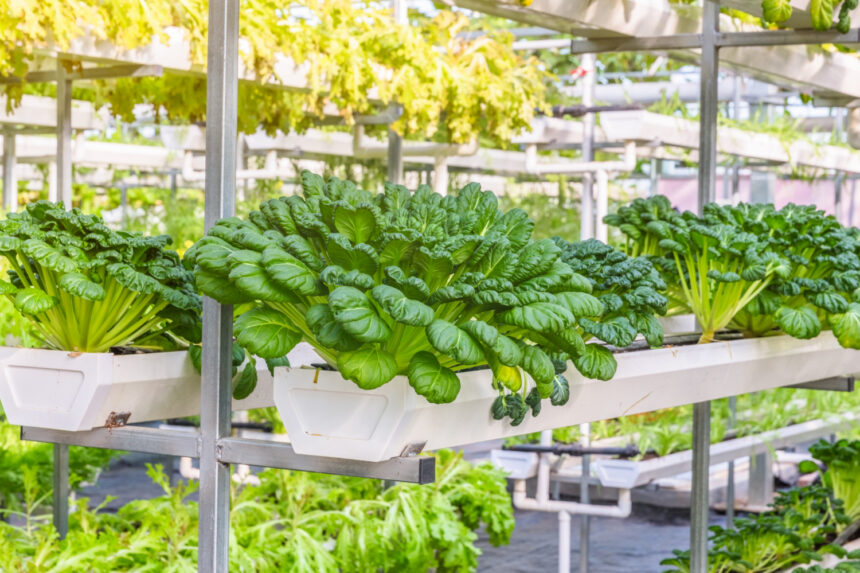
Urban farming is becoming one of the most practical and rewarding ways for South Africans to produce fresh food while creating new income opportunities. As cities continue to expand and food prices remain under pressure, many residents are turning unused spaces into productive gardens and small farms. Rooftops, balconies, backyards, community parks and vacant plots are now being transformed into areas that supply vegetables, herbs and fruit throughout the year. This shift is helping families improve food security while reducing their dependence on expensive supermarket produce. Urban farming also encourages healthier eating habits because people have easier access to fresh, nutritious food. Beyond feeding households, these projects are creating employment, supporting local economies and strengthening communities. As more people recognize these benefits, urban farming is becoming an important part of sustainable living in South African cities.
South Africa’s major cities present excellent conditions for urban agriculture because of the growing demand for fresh, locally produced food. Cities such as Johannesburg, Cape Town, Durban, Pretoria, Gqeberha and Bloemfontein have expanding populations that require reliable food supplies every day. Transporting produce over long distances often increases costs and reduces freshness before products reach consumers. Urban farmers help solve this challenge by growing food much closer to customers, allowing produce to reach markets shortly after harvesting. Consumers increasingly appreciate locally grown vegetables because they are often fresher and spend less time in storage or transit. Restaurants, cafés and independent grocery stores are also seeking reliable local suppliers to meet customer demand. These trends continue to create opportunities for individuals who want to establish small but profitable urban farming businesses.
One of the greatest advantages of urban farming is that it does not require large areas of land to get started. Many successful growers begin with a few raised beds in their backyard or containers placed on patios and balconies. Vertical gardening systems allow people to grow a surprising amount of food in limited spaces by making better use of walls and stacked planting structures. Recycled containers, wooden pallets and old buckets can also be converted into productive growing spaces with minimal investment. This flexibility allows renters, homeowners and community groups to participate regardless of their property size. Careful planning and proper crop selection often produce impressive harvests even in compact environments. As a result, urban farming is accessible to people from many different backgrounds and income levels.
Vegetable production remains one of the most popular forms of urban farming because vegetables are in constant demand throughout the year. Crops such as spinach, lettuce, kale, cabbage, tomatoes, peppers, onions and carrots perform well in many South African climates when managed correctly. Herbs including basil, parsley, coriander, mint and rosemary are also attractive because they grow quickly and command relatively high prices. Many urban farmers stagger their planting schedules so they can harvest fresh produce continuously rather than all at once. This steady supply helps maintain regular income and strengthens relationships with repeat customers. Proper irrigation, fertilization and pest management contribute significantly to maintaining healthy crops and consistent production. Growing a diverse range of vegetables also reduces the risk associated with relying on a single crop.
Hydroponic farming has gained popularity across South African cities because it allows crops to be grown without traditional soil. Plants receive nutrients through specially prepared water solutions, allowing them to develop rapidly under controlled conditions. Hydroponic systems use less water than many conventional farming methods, making them especially attractive in areas facing water shortages. They can be installed inside greenhouses, warehouses or even converted garages, allowing year-round production regardless of weather conditions. Although the initial investment is higher than traditional gardening, the increased productivity often attracts entrepreneurs interested in commercial production. Leafy greens, herbs and certain vegetables thrive particularly well in hydroponic environments. As technology becomes more affordable, hydroponic farming is expected to become increasingly common in urban agriculture.
Aquaponics offers another exciting opportunity by combining fish farming with vegetable production in a single integrated system. Fish waste naturally provides nutrients for plants while the plants help clean and recycle the water used by the fish. This creates a sustainable production cycle that uses resources efficiently and minimizes waste. Tilapia is commonly selected because it adapts well to controlled environments and grows relatively quickly. At the same time, vegetables such as lettuce, spinach and herbs flourish in nutrient-rich water. Aquaponic systems require careful management and regular monitoring to maintain healthy fish and plants. Once established properly, they can provide two valuable products from the same growing system.
Community gardens are becoming increasingly important across South African cities because they encourage cooperation while improving local food access. Residents work together to cultivate vegetables, fruit and herbs that benefit participating households. These gardens also provide valuable educational opportunities where experienced growers teach beginners practical farming skills. Schools frequently establish gardens to help learners understand agriculture, nutrition and environmental responsibility from an early age. Community projects often strengthen neighbourhood relationships by bringing people together around a shared purpose. Harvests may be divided among participants or sold to generate funds for future development. These initiatives demonstrate how urban farming can improve both social wellbeing and economic resilience.
Urban farming also creates opportunities for young entrepreneurs seeking alternative career paths. Many young South Africans face unemployment despite having strong motivation and innovative ideas. Starting a small farming business allows them to develop practical skills while generating income through direct sales. Social media platforms provide affordable marketing channels where growers can showcase fresh produce and connect with nearby customers. Home delivery services, subscription vegetable boxes and online ordering systems have further expanded business opportunities. Young entrepreneurs who focus on quality, consistency and excellent customer service can gradually build loyal customer bases. Urban agriculture therefore represents not only food production but also an avenue for business development and self-employment.
The growing interest in healthy eating continues to support demand for fresh urban produce. Consumers increasingly want vegetables that are harvested locally without spending days in transportation or storage. Organic farming practices are particularly attractive to customers seeking food produced with fewer synthetic chemicals. Although organic certification can be expensive, many small farmers successfully market their products by emphasizing sustainable growing methods and transparency. Farmers’ markets have become valuable sales platforms where customers can meet growers directly and learn about how their food is produced. Restaurants often prefer sourcing ingredients from nearby producers because freshness enhances meal quality. This strong demand provides urban farmers with multiple ways to market their harvests.
Water management remains one of the most important factors for successful urban farming in South Africa. Rainwater harvesting systems help reduce dependence on municipal water supplies while lowering operating costs. Drip irrigation delivers water directly to plant roots, reducing waste and improving efficiency during dry periods. Mulching helps retain soil moisture while suppressing weed growth and regulating soil temperatures. Selecting drought-tolerant crop varieties can further improve productivity under challenging weather conditions. Urban farmers who invest in efficient water management are often better prepared for periods of water restrictions. Sustainable water use will continue to play a critical role as climate conditions evolve across the country.
Urban farmers also benefit from composting and recycling organic waste into valuable fertilizer. Kitchen scraps, fallen leaves and garden waste can be converted into nutrient-rich compost instead of ending up in landfills. Compost improves soil structure, increases water retention and supplies essential nutrients for healthy plant growth. Vermicomposting, which uses earthworms to break down organic matter, produces high-quality compost suitable for vegetable production. These environmentally friendly practices reduce waste while lowering the cost of purchasing commercial fertilizers. Sustainable soil management contributes to healthier crops and improved long-term productivity. Recycling organic materials therefore benefits both farmers and the environment.
Despite its many advantages, urban farming still presents several challenges that require careful planning and commitment. Limited space, theft, pests, unpredictable weather and rising input costs can affect productivity and profitability. Access to finance may also be difficult for new farmers seeking to expand their operations. Building strong relationships with local communities can improve security while encouraging customer support. Training programmes, agricultural workshops and mentorship opportunities help new growers develop essential technical and business skills. Careful budgeting and continuous learning allow urban farmers to adapt successfully as challenges arise. Persistence and proper planning often separate successful businesses from those that struggle.
Urban farming is playing an increasingly important role in shaping the future of South African cities by improving food security, creating employment and encouraging environmental sustainability. From backyard vegetable gardens to advanced hydroponic systems, urban agriculture offers practical opportunities for individuals, families and entrepreneurs alike. As consumer demand for fresh local produce continues to grow, urban farmers are well positioned to supply high-quality food while building sustainable businesses. Communities also benefit through stronger social connections, educational opportunities and improved access to nutritious food. Although success requires dedication, knowledge and careful resource management, the long-term rewards can be significant. Urban farming demonstrates that productive agriculture does not have to be limited to rural areas because cities also have the potential to become thriving food-producing environments. As more South Africans embrace innovative farming methods, urban agriculture is likely to become an even more valuable contributor to economic growth, healthier communities and a more resilient food system.
Join 'Farmers Mag' WhatsApp Channel
Get the latest Farming news and tips delivered straight to your WhatsApp
CLICK HERE TO JOIN