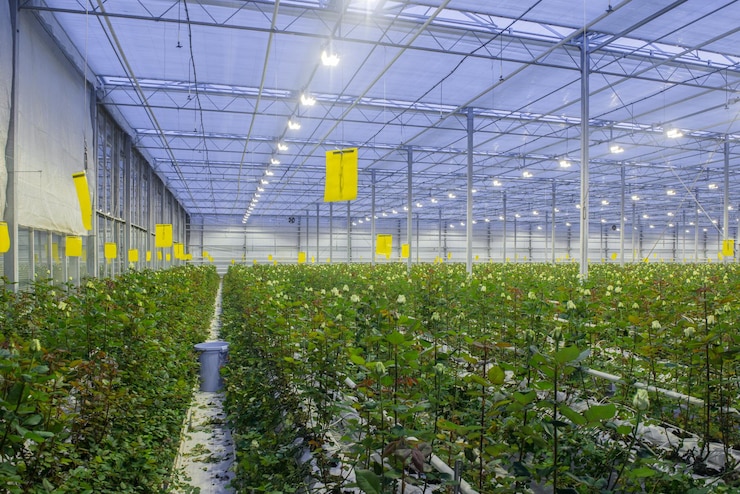
Biocontrol for crop pests in South Africa is becoming a key part of modern farming as producers look for safer and more sustainable ways to protect their crops. Instead of relying only on chemical pesticides, biocontrol uses natural enemies of pests to reduce damage and maintain crop health. This approach fits well with the country’s need to improve food security while protecting soil, water, and biodiversity. Farmers across different provinces are adopting these methods as they face rising input costs and increasing resistance to chemical sprays. The shift toward biological pest control reflects a broader move toward more environmentally responsible agriculture.
Biocontrol works by using living organisms such as insects, mites, fungi, or bacteria to manage pest populations. These natural agents target specific pests without harming beneficial organisms or the surrounding environment. In South Africa, this method is used in crops such as maize, citrus, grapes, and vegetables where pest pressure can be high. The goal is not to eliminate pests completely but to keep them below damaging levels. This balance helps maintain ecological stability while still protecting yields. It also reduces the long term dependence on synthetic chemicals.
One of the main advantages of biocontrol is its ability to reduce chemical pesticide use, which has both environmental and economic benefits. Over time, pests can develop resistance to chemicals, making them less effective and more expensive to use. Biocontrol helps break this cycle by introducing natural predators or pathogens that pests cannot easily adapt to. It also lowers chemical residues on food products, which is important for both local consumers and export markets. Farmers who use biocontrol often report improved soil health and better long term productivity. These benefits make it an attractive option for sustainable farming systems.
In South Africa, research institutions and agricultural organisations play a major role in developing and promoting biocontrol solutions. Scientists study pest life cycles and identify natural enemies that can be safely introduced or encouraged in farming systems. For example, parasitic wasps are used to control certain insect pests, while specific fungi are used to target soil borne diseases. These solutions are carefully tested to ensure they do not disrupt local ecosystems. Once proven effective, they are shared with farmers through extension services and training programmes. This helps ensure that knowledge reaches both commercial and small scale farmers.
The success of biocontrol depends heavily on proper implementation and farm management practices. Farmers need to monitor pest levels regularly and understand when and how to introduce biological agents. Timing is critical because biocontrol works best when pest populations are still at manageable levels. Good crop hygiene, crop rotation, and habitat management also support the effectiveness of natural enemies. Farmers who combine biocontrol with other integrated pest management practices tend to achieve better results. This integrated approach reduces risk and improves long term sustainability.
Climate and environmental conditions in South Africa also influence how biocontrol is applied. Different regions face different pest challenges depending on temperature, rainfall, and crop types. For example, warmer regions may experience faster pest reproduction cycles, requiring more frequent monitoring. In contrast, cooler areas may allow for slower but more stable biocontrol activity. Understanding these regional differences helps farmers choose the right biological solutions for their specific conditions. Local adaptation is therefore a key part of successful pest management.
Education and awareness are essential for expanding the use of biocontrol among farmers. Many producers still rely heavily on chemical control because it is familiar and provides immediate results. However, training programmes and extension services are helping farmers understand the long term benefits of biological methods. Demonstration farms and field trials are also used to show real world results. As more farmers see successful outcomes, adoption rates continue to increase. This gradual shift supports a more balanced and sustainable agricultural system.
Biocontrol for crop pests in South Africa offers a practical and environmentally friendly alternative to traditional chemical pest management. It helps farmers reduce costs, improve soil health, and protect ecosystems while maintaining productive yields. Through the use of natural predators, pathogens, and integrated farming practices, agriculture becomes more resilient and sustainable. Research institutions, government support, and farmer education all play a critical role in expanding its use. As challenges such as climate change and pest resistance grow, biocontrol will remain an important tool in securing the future of South African agriculture.
Join 'Farmers Mag' WhatsApp Channel
Get the latest Farming news and tips delivered straight to your WhatsApp
CLICK HERE TO JOIN