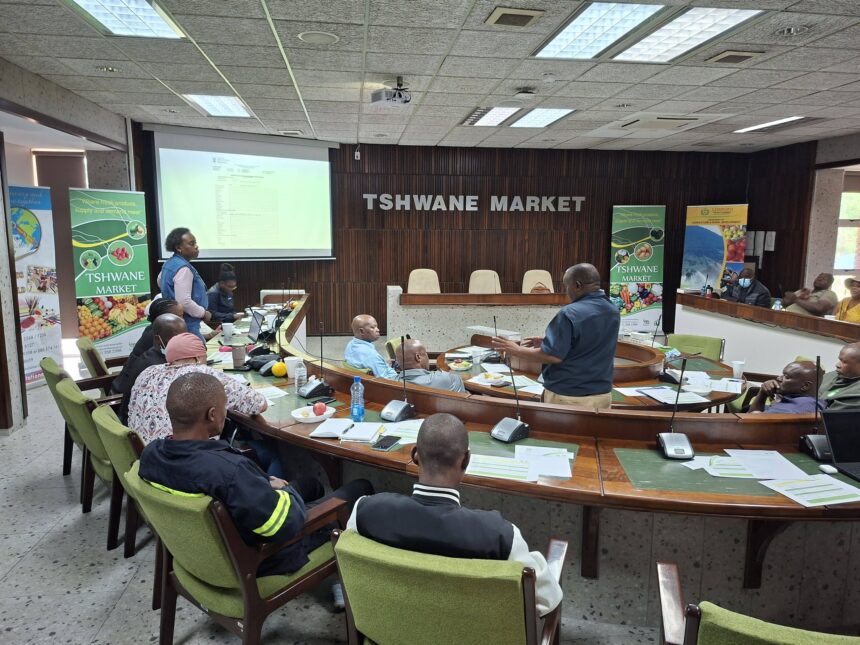
Farmers from the Waterberg District joined a crucial stakeholder engagement session at the Tshwane Market Council Chambers, organized in partnership with the Limpopo Department of Agriculture and Rural Development. The session aimed to enhance collaboration across the agricultural value chain and address operational challenges faced by farmers and market participants. By bringing together a wide range of stakeholders, including market representatives, agencies, and farmers from multiple provinces, the initiative created a platform for open dialogue. This engagement is part of ongoing efforts to ensure that agricultural markets function efficiently, transparently, and inclusively. Farmers and stakeholders alike were given the opportunity to share experiences, discuss challenges, and explore solutions that can improve market operations.
The round table discussion focused on key concerns that have affected the sector, particularly communication gaps and strained working relationships. These challenges have, at times, hindered the smooth flow of produce and created inefficiencies within the supply chain. By facilitating a structured dialogue, the session encouraged participants to identify bottlenecks and develop practical solutions. Farmers were able to highlight issues they face in accessing market information, coordinating with intermediaries, and navigating market regulations. Market representatives and agencies also provided feedback on operational processes and shared insights into how collaboration can be strengthened.
A central theme of the engagement was transparency in the agricultural market system. Participants explored ways to improve information sharing and ensure that farmers have clear guidance on market requirements, pricing, and logistics. Open communication was emphasized as a tool to prevent misunderstandings and foster trust between producers, buyers, and regulators. The session also allowed stakeholders to establish formal channels for ongoing coordination, creating a structure that supports consistent dialogue beyond one-off meetings. This proactive approach ensures that farmers are better informed and more confident in participating in market activities.
The engagement session also aimed to improve partnerships across the agricultural sector. By bringing together stakeholders from different provinces, the meeting encouraged knowledge exchange and networking opportunities. Farmers gained insights into best practices for production, transport, and sales, while market representatives learned more about the specific challenges faced by Waterberg District producers. This mutual understanding strengthens relationships, promotes collaboration, and allows for coordinated strategies that benefit all parties. Strengthened partnerships can ultimately lead to increased efficiency, reduced waste, and improved profitability for farmers and markets alike.
The outcomes of this stakeholder engagement have long-term implications for the agricultural sector. By addressing communication gaps and operational challenges, the session sets the foundation for a more inclusive and well-functioning market system. Farmers who participate are better equipped to navigate market processes, make informed decisions, and improve access to buyers. The strengthened relationships between producers, market operators, and agencies will enhance coordination and create opportunities for growth. Overall, this engagement underscores the importance of collaboration, transparency, and proactive problem-solving in supporting sustainable agricultural development in Limpopo and beyond.
Join 'Farmers Mag' WhatsApp Channel
Get the latest Farming news and tips delivered straight to your WhatsApp
CLICK HERE TO JOIN