Maintaining the health of livestock is a fundamental responsibility for emerging farmers in South Africa, as animal well-being directly impacts productivity, profitability, and food security. Livestock health challenges, including disease outbreaks, poor nutrition, and inadequate management practices, can quickly undermine farm operations if not addressed proactively. For new farmers entering the sector, understanding essential animal health practices is critical to building resilient and sustainable farming enterprises. By implementing preventive measures, monitoring animal conditions, and responding promptly to health concerns, emerging farmers can protect their herds while increasing efficiency and profitability. These practices form the backbone of responsible livestock farming and ensure that small-scale and emerging farmers can compete and grow within the agricultural sector.
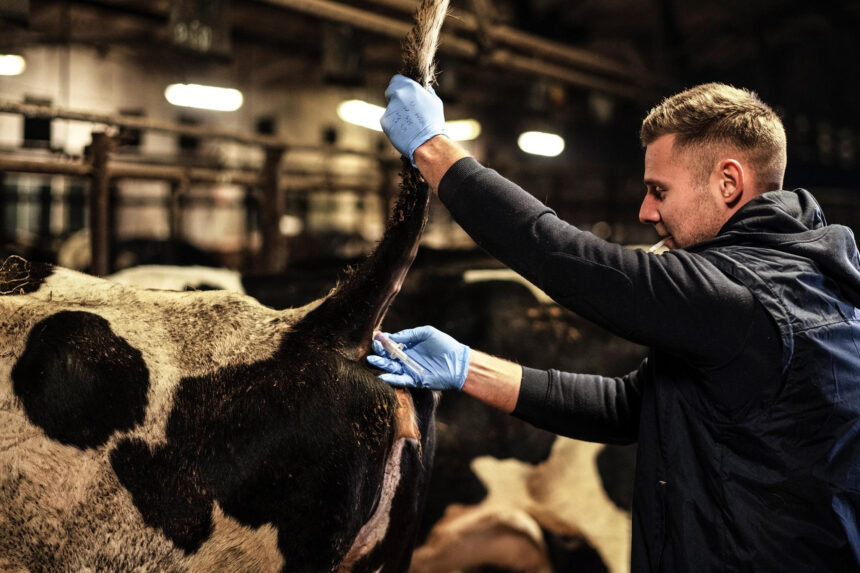
One of the first priorities for emerging farmers is establishing a proper vaccination schedule. Vaccinations prevent common livestock diseases such as Foot and Mouth Disease, Newcastle disease in poultry, and anthrax, which can devastate herds and flocks. Farmers should work closely with local veterinarians or provincial veterinary services to determine which vaccines are required for their specific livestock species and region. Record keeping of vaccination dates, doses, and animal identification is equally important to ensure compliance and track herd immunity. Regular vaccination programs not only protect animals but also help farmers meet regulatory requirements and access local and international markets.
Nutrition plays a critical role in livestock health and productivity. Emerging farmers must provide balanced diets that meet the energy, protein, and mineral requirements of their animals. This involves understanding the nutritional needs of different species, life stages, and production goals, whether for meat, milk, or eggs. Proper feeding practices improve growth rates, reproductive performance, and disease resistance. Access to clean water and high-quality forage or feed supplements is essential to maintain overall animal health. In addition, monitoring body condition scores and adjusting diets as needed ensures that livestock remain in optimal condition throughout the year.
Regular monitoring and early disease detection are also key components of animal health management. Farmers should routinely inspect animals for signs of illness, including changes in appetite, behavior, or physical appearance. Prompt identification of issues such as parasitic infestations, respiratory infections, or reproductive disorders allows for early intervention and reduces the risk of widespread outbreaks. Implementing biosecurity measures, such as controlling farm access, disinfecting equipment, and isolating sick animals, helps prevent disease spread. Emerging farmers should also maintain close communication with veterinarians to receive guidance on treatment protocols and preventive strategies. Consistent monitoring and proactive management significantly improve herd survival and productivity.
Proper record keeping and farm management practices complement health interventions and support informed decision-making. Keeping detailed records of vaccinations, treatments, breeding, and production performance allows farmers to identify trends, measure the effectiveness of interventions, and make adjustments to improve herd performance. Farm management systems also help track inventory, monitor costs, and plan for seasonal challenges. Emerging farmers who integrate record keeping with animal health practices can better plan for growth, respond to emergencies, and maintain compliance with regulatory standards. These tools are essential for building a professional, accountable, and sustainable farming operation.
Essential animal health practices for emerging farmers in South Africa combine preventive care, nutrition, monitoring, and sound management systems. By prioritizing vaccinations, balanced feeding, early disease detection, biosecurity, and record keeping, new farmers can protect their herds, improve productivity, and secure their livelihoods. These practices are critical for resilience, ensuring that livestock can thrive under changing environmental and market conditions. Adopting a disciplined approach to animal health also strengthens trust with buyers, regulators, and the broader agricultural community. For emerging farmers, investing in animal health is not just a daily responsibility—it is a foundation for long-term success and sustainable growth in South Africa’s livestock sector.
Join 'Farmers Mag' WhatsApp Channel
Get the latest Farming news and tips delivered straight to your WhatsApp
CLICK HERE TO JOIN