Food security remains a critical priority as governments and communities work to ensure that all people have consistent access to sufficient, safe, and nutritious food. This goal goes beyond food availability and focuses on affordability, accessibility, and long term sustainability. In many rural areas, limited resources and economic pressures continue to threaten stable food supply at household level. Addressing these challenges requires practical interventions that empower communities to produce their own food. Recent efforts in the Lejweleputswa district show how targeted support can make a measurable difference in improving food security outcomes.
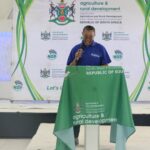
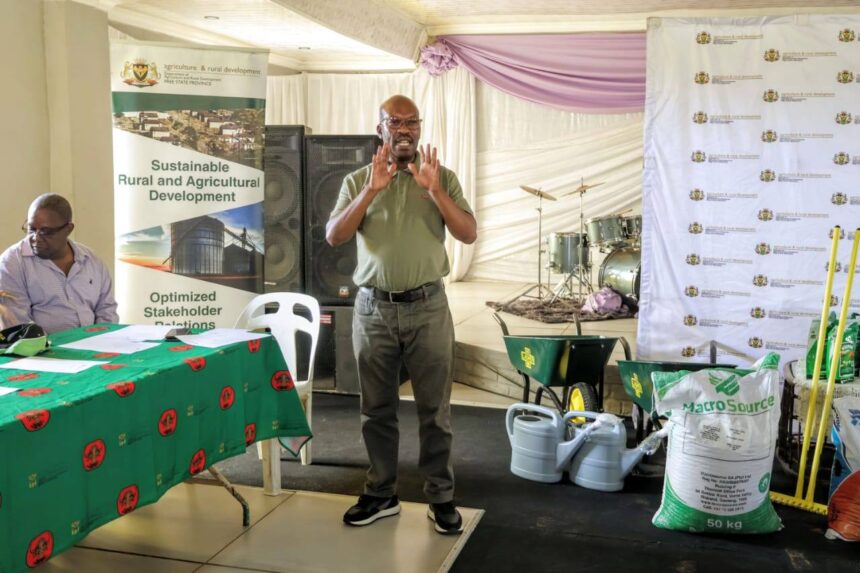
As part of its ongoing commitment to strengthening national food security, the Department has continued the distribution of garden tools and seeds in Bothaville and Ventersburg. This initiative targets rural households that face constraints in accessing basic agricultural inputs. By providing essential tools and high quality seeds, the programme enables families to start or expand food gardens with minimal financial burden. These interventions are designed to create immediate impact while also laying the foundation for long term agricultural activity. The rollout in Bothaville and Ventersburg reflects a focused effort to reach communities that are most in need of support.
The outreach programme plays a direct role in boosting rural productivity and reducing poverty levels. Access to basic farming inputs often determines whether households can produce enough food for their own consumption. With the right tools and seeds, families can grow crops that meet their nutritional needs and generate surplus for sale. This creates a steady source of income and reduces dependence on external food sources. Increased productivity at household level also contributes to broader community resilience, as more people become active participants in local food systems.
The distribution of agricultural inputs also helps restore livelihoods that have been disrupted by economic hardship and environmental challenges. Many rural households rely on small scale farming as a primary or supplementary source of income. When these households lack resources, their ability to sustain themselves weakens significantly. Providing tools and seeds allows farmers to rebuild their production capacity and regain financial stability. This support reduces reliance on emergency food aid, which often serves as a short term solution rather than a sustainable strategy. Over time, consistent access to inputs can transform vulnerable households into self sustaining producers.
Another key benefit of the programme is its contribution to household income growth. Surplus produce from home gardens can be sold in local markets, creating new income streams for families. This income can then be reinvested into farming activities or used to meet other essential needs such as education and healthcare. As more households participate in small scale agriculture, local economies begin to strengthen. This ripple effect highlights the importance of investing in grassroots agricultural initiatives as part of a broader economic development strategy.
The initiative also aligns with national goals to build a more inclusive and resilient agricultural sector. By focusing on vulnerable communities, the programme ensures that support reaches those who need it most. It encourages community participation and promotes a culture of self reliance and productivity. The emphasis on practical support rather than temporary relief reflects a shift toward sustainable development solutions. These efforts contribute to a more balanced food system where local production plays a central role in meeting demand.
The distribution of garden tools and seeds in the Lejweleputswa district stands as a clear example of how targeted interventions can advance food security goals. It provides immediate relief while creating long term opportunities for growth and stability. Households gain the means to produce their own food, generate income, and reduce dependence on aid. As these initiatives continue to expand, they have the potential to transform rural communities and strengthen national food systems. Sustained investment and consistent support will be essential to ensure that these gains are maintained and scaled over time.
Join 'Farmers Mag' WhatsApp Channel
Get the latest Farming news and tips delivered straight to your WhatsApp
CLICK HERE TO JOIN