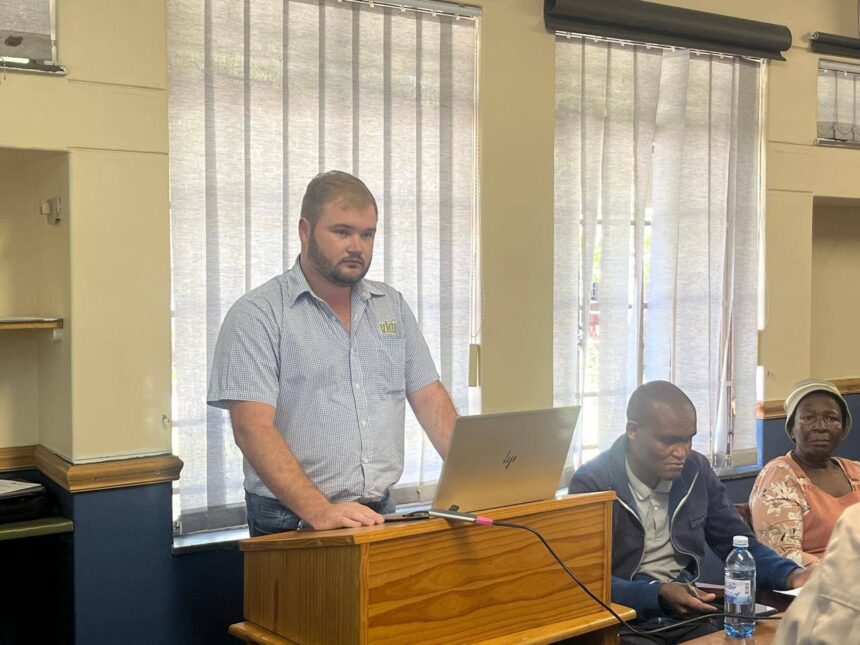
The Agricultural Economics section hosted an economic outlook event yesterday in Heilbron, Fezile Dabi, focusing on grain production and the factors shaping the sector. The event brought together farmers, agribusiness stakeholders, and economic experts to discuss recent production trends and provide strategic guidance for the upcoming planting and marketing seasons. Grain production remains a cornerstone of South Africa’s agricultural economy, supporting food security and contributing to rural livelihoods. Understanding market dynamics, yield expectations, and cost structures is essential for farmers to make informed decisions and optimize profitability. The session aimed to equip participants with data driven insights to plan effectively and reduce exposure to market volatility.
During the economic outlook, experts reviewed production trends for key grains such as maize, wheat, and sorghum, highlighting shifts in planting areas, yield performance, and market demand. These insights allow farmers to anticipate price movements and adjust planting decisions to align with supply and demand conditions. Economic projections also included input cost analysis, covering fertilizer, seed, and fuel expenses, which significantly affect farm profitability. By understanding these cost trends, farmers can plan their budgets and identify opportunities to reduce operational expenses. Such knowledge is especially important in regions like Fezile Dabi, where grain production contributes to both local consumption and broader regional trade.
The outlook also provided guidance on market strategies, helping farmers navigate fluctuating grain prices and optimize returns on their crops. Experts advised on storage, timing of sales, and potential export opportunities to secure higher margins. Farmers were encouraged to consider contract agreements, cooperatives, and collective marketing strategies to strengthen their bargaining power in the marketplace. Awareness of global market trends, including weather patterns and international demand, was also emphasized, as these factors influence local grain prices. Practical economic advice such as this allows farmers to plan more effectively and reduce financial risks associated with volatile markets.
Another critical focus of the session was supporting sustainable production practices and resource management. Attendees were advised on strategies to increase yield while minimizing environmental impact, including proper soil management, crop rotation, and water conservation techniques. Efficient resource use not only reduces costs but also enhances long term farm resilience. By integrating economic planning with sustainable production practices, farmers can achieve a balance between profitability and environmental stewardship. This approach ensures that grain production remains viable in the face of climate variability and changing market conditions.
The economic outlook hosted in Heilbron provided farmers with valuable insights into grain production trends, cost management, and market strategies. By sharing this information, the Agricultural Economics section enables producers to make informed decisions that improve profitability and operational efficiency. The event highlighted the importance of combining data driven economic planning with sustainable farming practices to ensure long term success. Farmers who apply these strategies can better navigate market fluctuations, optimize yields, and contribute to regional food security. Overall, such initiatives play a critical role in strengthening the resilience and competitiveness of South Africa’s grain sector.
Join 'Farmers Mag' WhatsApp Channel
Get the latest Farming news and tips delivered straight to your WhatsApp
CLICK HERE TO JOIN