Diversifying income streams is essential for smallholder and commercial farmers seeking financial stability and sustainable production. Integrating fish ponds, vegetable plots, and pastures on a single farm allows producers to maximise land use, reduce risk, and create multiple revenue sources. Each enterprise complements the others, contributing to both food security and consistent cash flow throughout the year.
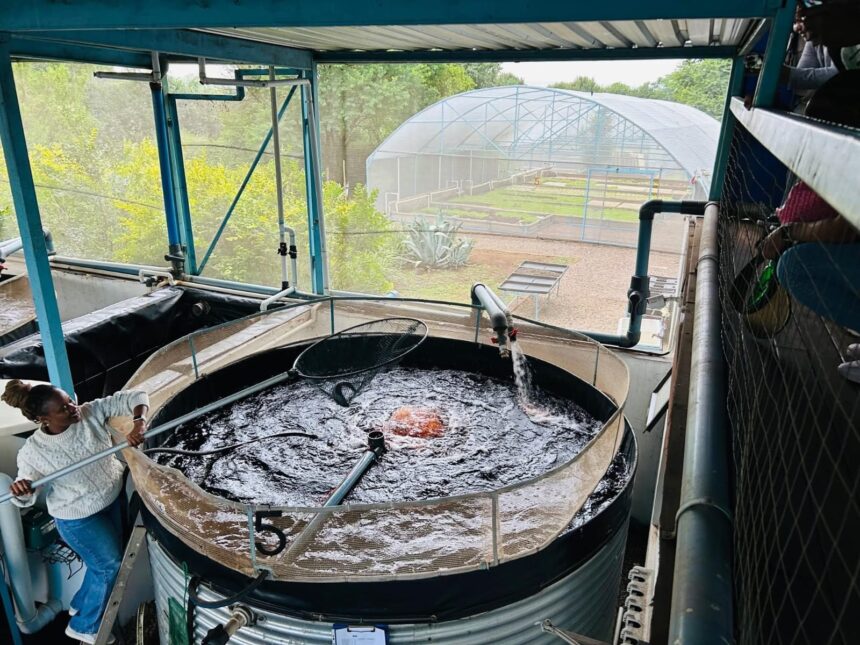
Fish farming offers high-value protein and a reliable source of income. Farmers can raise tilapia, catfish, or carp in carefully managed ponds, using natural feed or formulated diets to optimise growth. Fish ponds require proper water management, aeration, and regular monitoring of water quality to maintain healthy stock. Harvesting cycles can be planned to supply local markets, restaurants, and households, generating income even during off-peak crop seasons.
Vegetable plots provide quick returns and improve household nutrition. Crops such as tomatoes, spinach, peppers, and onions grow well in small plots with proper irrigation and fertilisation. Farmers benefit from staggered planting schedules to ensure continuous harvests. Integrating organic fertiliser from fish pond waste or livestock manure can improve soil fertility while reducing chemical input costs. Selling vegetables locally or through cooperatives provides immediate cash flow and strengthens market links.
Pastures support livestock production and enhance overall farm sustainability. Properly managed grazing areas for cattle, goats, or sheep improve feed availability and reduce dependence on purchased fodder. Rotational grazing helps maintain soil health, prevents overgrazing, and promotes nutrient cycling. Livestock products such as meat, milk, or wool provide additional income streams while complementing crop and fish production.
Combining these enterprises requires careful planning and resource management. Water, labour, and land allocation must be optimised to avoid conflicts between crops, fish ponds, and grazing areas. Integrated farm management allows farmers to maximise productivity, reduce waste, and maintain ecological balance. Record-keeping and monitoring production cycles further improve efficiency and profitability.
By diversifying income through fish ponds, vegetable plots, and pastures, farmers can achieve financial stability and resilience against market fluctuations or climatic challenges. This integrated approach ensures year-round production, enhances food security, and strengthens the overall sustainability of the farm. Strategic planning and effective management are key to realising the full potential of multiple income streams.
Join 'Farmers Mag' WhatsApp Channel
Get the latest Farming news and tips delivered straight to your WhatsApp
CLICK HERE TO JOIN