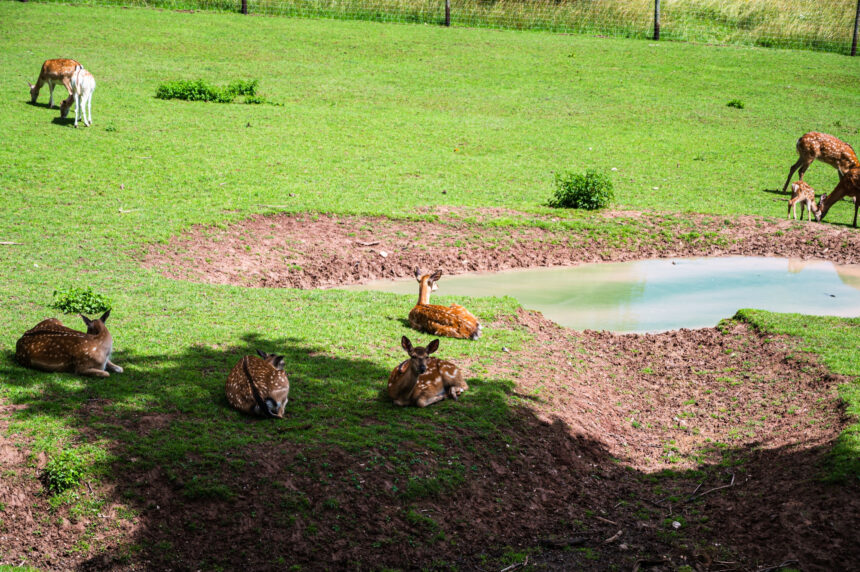
Ethical hunting and responsible game ranch management play a measurable role in modern conservation. When applied correctly, these practices protect wildlife, restore habitats, and support rural economies. You achieve conservation outcomes when management decisions follow science, transparency, and long term planning. Ethical hunting focuses on sustainability and respect for wildlife. You harvest animals based on population data, age structure, and carrying capacity. This prevents overpopulation, habitat degradation, and starvation. In South Africa, controlled hunting helps manage species such as kudu, impala, and blesbok in fenced ecosystems where natural predators are limited.
Game ranch management supports biodiversity through active land stewardship. You invest in veld management, water provision, erosion control, and invasive species removal. These actions improve habitat quality for both hunted and non hunted species. Healthy rangeland supports birds, insects, small mammals, and predators that depend on balanced ecosystems. Revenue from ethical hunting funds conservation directly. Hunting permits, trophy fees, and accommodation income pay for anti poaching units, fencing, veterinary care, and habitat restoration. On many private reserves, hunting income exceeds that of livestock farming in marginal areas. This makes wildlife a viable land use option where crops and cattle fail.
Ethical standards matter. You must follow fair chase principles, humane harvesting methods, and strict compliance with regulations. Professional hunters and outfitters play a key role by enforcing rules and educating clients. Poor practices damage public trust and undermine conservation gains. Game ranches also contribute to species preservation. Breeding programs focus on maintaining genetic diversity and avoiding inbreeding. Responsible ranchers avoid artificial manipulation that prioritizes appearance over health. Sound genetics ensure resilient populations that can adapt to environmental stress.
Community involvement strengthens conservation outcomes. Many game ranches create jobs in tracking, hospitality, guiding, and land management. Skills training and revenue sharing increase local support for wildlife protection. When communities benefit, poaching pressure decreases. Ethical hunting does not replace national parks. It complements them. Protected areas alone cannot support all wildlife due to space and funding limits. Privately managed game ranches expand conservation land and reduce pressure on state reserves.
You achieve real conservation impact when ethical hunting aligns with science based management, strict regulation, and accountability. Game ranching done responsibly protects ecosystems, sustains wildlife populations, and keeps rural land under conservation use. When managed correctly, ethical hunting remains a practical and effective conservation tool.
Join 'Farmers Mag' WhatsApp Channel
Get the latest Farming news and tips delivered straight to your WhatsApp
CLICK HERE TO JOIN